L-Sit
StrengthCoreIsometricBalance
Track L-Sit in SmartWorkout and watch your numbers go up
Log sets, weights and progress for free, with no workout limits.


Body Part: Abs
Description
The L-Sit is a challenging isometric exercise that targets the core, hip flexors, and shoulders. It involves holding your body off the ground while maintaining a seated position with legs extended straight out in front of you. This exercise requires significant strength and stability, making it ideal for building core endurance and improving overall body control.
How to Perform
- Sit on the floor with your legs extended in front of you and your hands placed on the ground beside your hips.
- Engage your core muscles and press your hands firmly into the ground to lift your body off the floor.
- Keep your legs straight and parallel to the ground, forming an 'L' shape with your body.
- Hold this position for as long as possible, maintaining steady breathing throughout.
- Lower yourself back to the starting position with control.
What Muscles Work
Primary Muscle:
Secondary Muscles:
Tips
- Ensure your hands are placed firmly on the ground for maximum stability.
- Focus on engaging your core and hip flexors to maintain leg elevation.
- Start by practicing with bent knees if full leg extension is too challenging.
- Gradually increase hold time as you build strength and endurance.
- Keep your shoulders down and away from your ears to prevent tension.
Common Mistakes
- Leaning too far forward, causing excessive strain on shoulders and wrists.
- Allowing hips to sag, reducing core engagement and effectiveness.
- Failing to keep legs straight, compromising form and muscle activation.
- Rounding the back, leading to poor posture and potential back strain.
- Neglecting to fully engage the core, resulting in decreased stability.
- Placing hands too far apart, which can destabilize the position.
- Holding breath, which can lead to increased tension and reduced endurance.
- Not keeping shoulders depressed, causing unnecessary tension in the neck.
- Using momentum to lift legs instead of controlled strength, reducing effectiveness.
Recommended Exercises
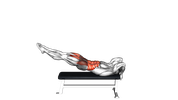
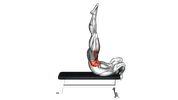
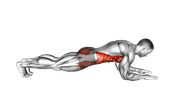
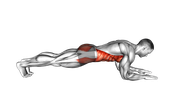
Explore exercises related to L-Sit for abs training and similar movement patterns.

Choose a workout plan or create your own - for free
Ready-made plans for every goal, a free plan creator, hundreds of exercises and an advanced workout journal - all in SmartWorkout.