Exercise Library
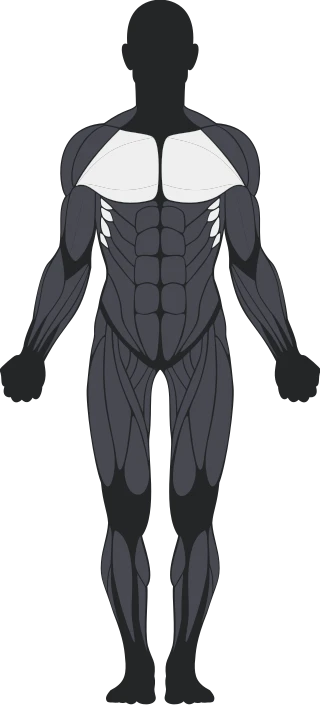
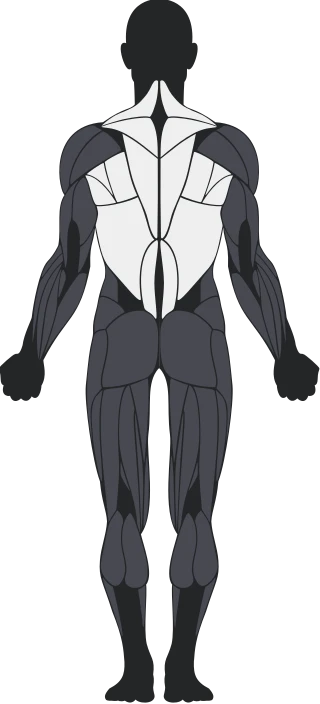
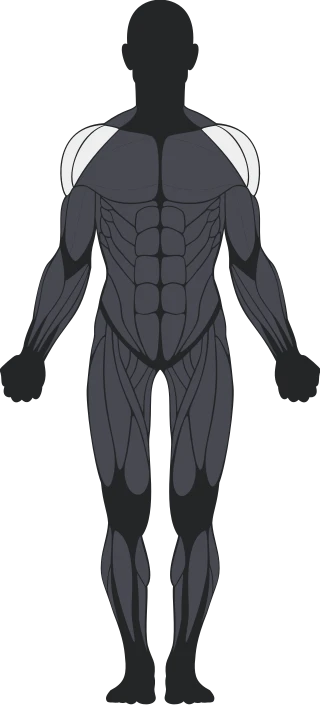
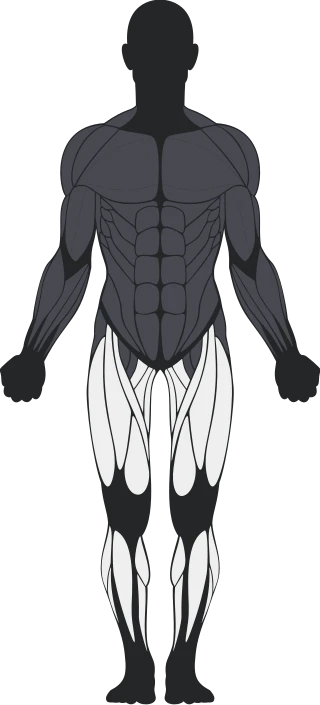
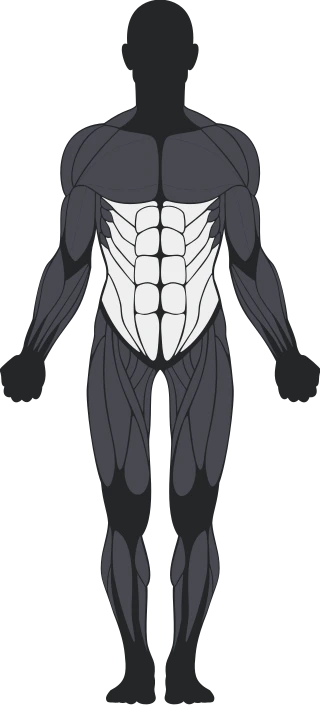
Over 1000 exercises for the gym and home. Each has a video, instructions, common mistakes and the muscles worked. Pick a muscle group, then show only barbell, dumbbell, machine, cable, band or bodyweight exercises.
Every exercise here, with its video and form notes, goes into the plans you build for your clients in SmartWorkout Coach. See the app for personal trainers
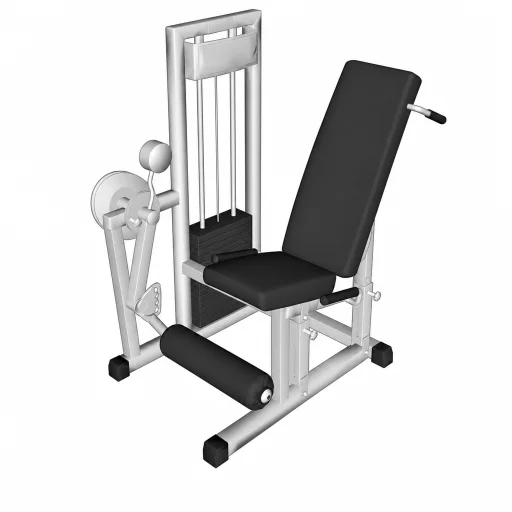
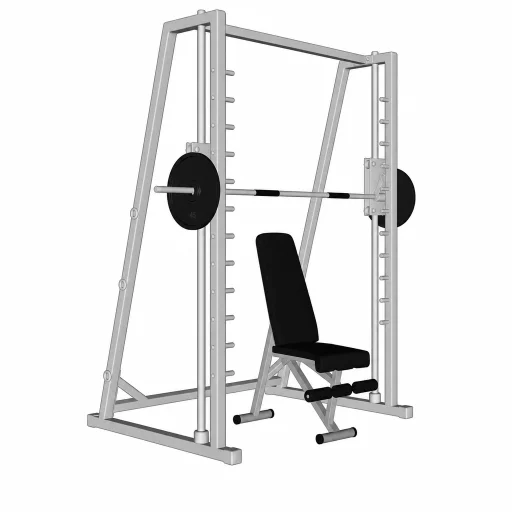
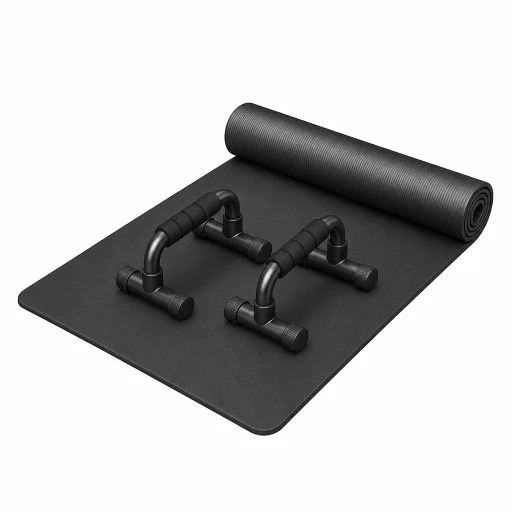
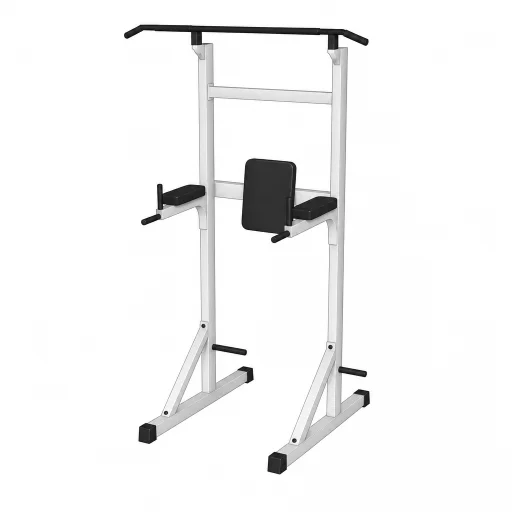
Exercises by equipment
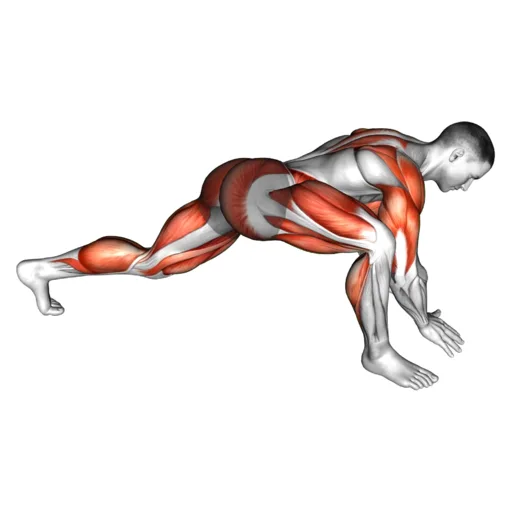
Warm-up and mobility
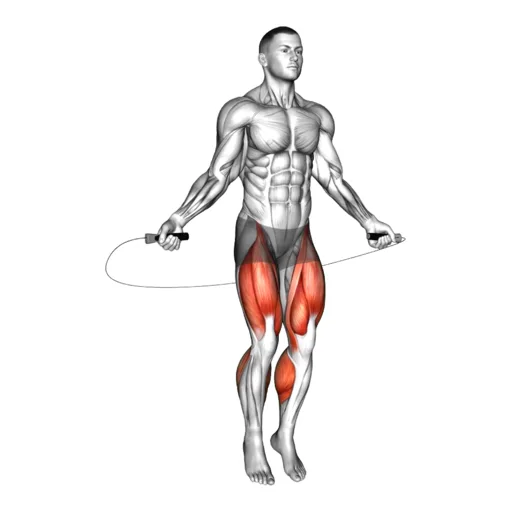
Common questions about gym exercises
Start with multi-joint lifts that use the most weight, such as squats, deadlifts, presses and rows, and finish with isolation exercises for a single muscle. The exercise you do first usually gains strength fastest, so start with the one you most want to progress.
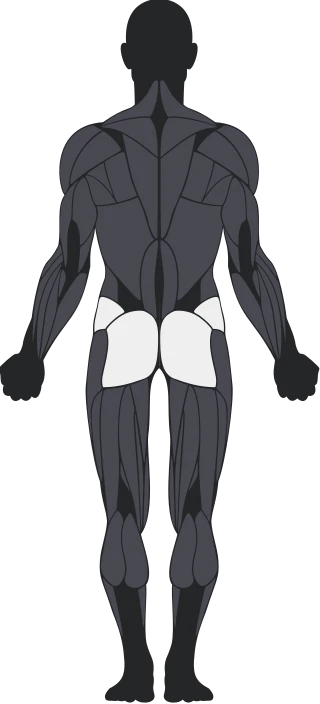
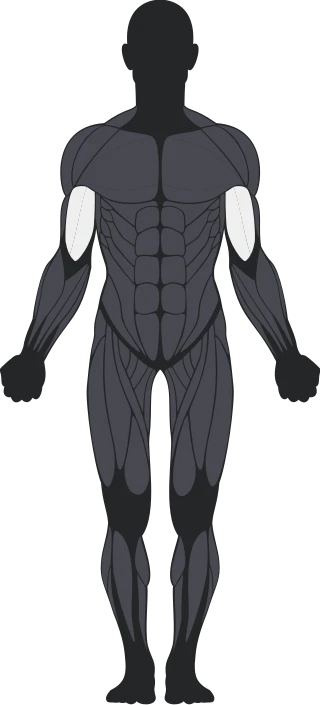
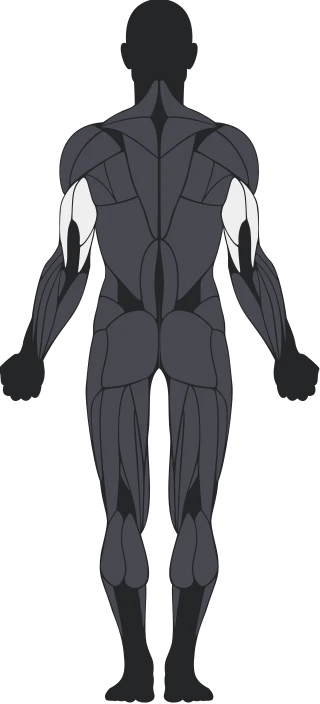
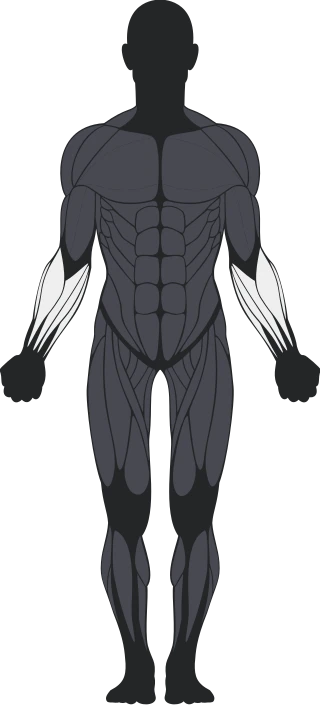
In workouts logged in the SmartWorkout app, the most common picks are Incline Dumbbell Bench Press (chest), Pull-Up (back), Dumbbell Lateral Raise (shoulders), Barbell Squat (legs), Barbell Hip Thrust (glutes), Seated Incline Biceps Curl (biceps), Cable Triceps Pushdown (triceps), One-Arm Wrist Curl Dumbbell (forearms), Machine Abdominal Crunches (abs). Each one has a video and form instructions in the library.
What counts is weekly sets per muscle, not the number of exercises. A meta-analysis of 67 studies (Pelland et al., 2025) found muscle growth from about 4 sets per week, with the most gain per set at 5 to 10 sets. The ACSM's 2026 position stand recommends at least 10 sets per muscle per week. In practice, 1 to 3 exercises per muscle in a session are enough.
With the same weekly sets, training frequency barely changes muscle growth (Pelland et al., 2025). Training each muscle twice a week is the easiest way to split 10 to 20 sets into two shorter sessions.
For muscle growth they work about the same: in a meta-analysis by Haugen et al. (2023), gains in muscle size did not differ significantly between machine and free-weight training. Strength improves most in the type of exercise you train. Machines make it easier to learn a movement and to train close to failure safely, while free weights train stability.
Yes, if the exercise is hard enough and you take your sets close to failure. In a study of beginners by Kikuchi and Nakazato (2017), push-ups built chest size and strength about as well as a bench press at a similar load. The library has 350 exercises you can do with your bodyweight.