Seated Hip Abduction
StrengthMobilityRehabilitation
Track this exercise in SmartWorkout
Log sets, weights and progress for free, with no workout limits.


Body Part: Gluteal
Description
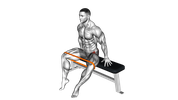
The Seated Hip Abduction exercise targets the hip abductor muscles, primarily the gluteus medius and minimus. It is performed using a specialized machine where you sit with your legs together and push them apart against resistance. This exercise helps improve hip stability, balance, and overall lower body strength.
How to Perform
- Adjust the seat and backrest of the machine to ensure your knees are aligned with the pivot point of the machine.
- Sit on the machine with your back straight and feet flat on the footrests.
- Place your knees inside the padded levers, keeping them together.
- Grip the handles or sides of the seat for stability.
- Exhale and slowly push your knees apart as far as comfortable, engaging your hip abductors.
- Pause briefly at the widest point, ensuring tension in the muscles.
- Inhale and slowly return to the starting position with control.
- Repeat for the desired number of repetitions.
What Muscles Work
Primary Muscle:
Tips
- Maintain a neutral spine throughout the exercise to avoid strain on your lower back.
- Focus on using your hip muscles rather than pushing with your feet or legs.
- Control the movement both when separating and bringing your knees together to maximize muscle engagement.
- Start with a lighter weight to ensure proper form before increasing resistance.
- Avoid locking your knees at any point during the exercise to maintain continuous tension on the muscles.
- Keep your breathing steady; exhale during exertion and inhale when returning to start.
Common Mistakes
- Leaning back excessively, reducing engagement of the hip abductors.
- Using momentum to swing the legs, leading to poor muscle activation.
- Allowing knees to collapse inward, straining the knees.
- Positioning feet too narrow, limiting range of motion.
- Failing to maintain a neutral spine, causing lower back strain.
- Not controlling the return phase, losing tension in the target muscles.
- Sitting too far forward or backward, misaligning the hips with the machine's axis.
- Using too much weight, compromising form and control.
Recommended Exercises
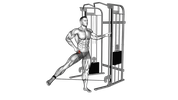
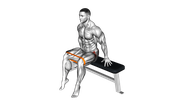
Explore exercises related to Seated Hip Abduction for gluteal training and similar movement patterns.

Choose a workout plan or create your own - for free
Ready-made plans for every goal, a free plan creator, hundreds of exercises and an advanced workout journal - all in SmartWorkout.