High Low Cable Chest Fly
enums.exercise_tag.STRENGTHenums.exercise_tag.PUSH
exercise_detail.body_part: enums.body_part.CHEST
exercise_detail.description
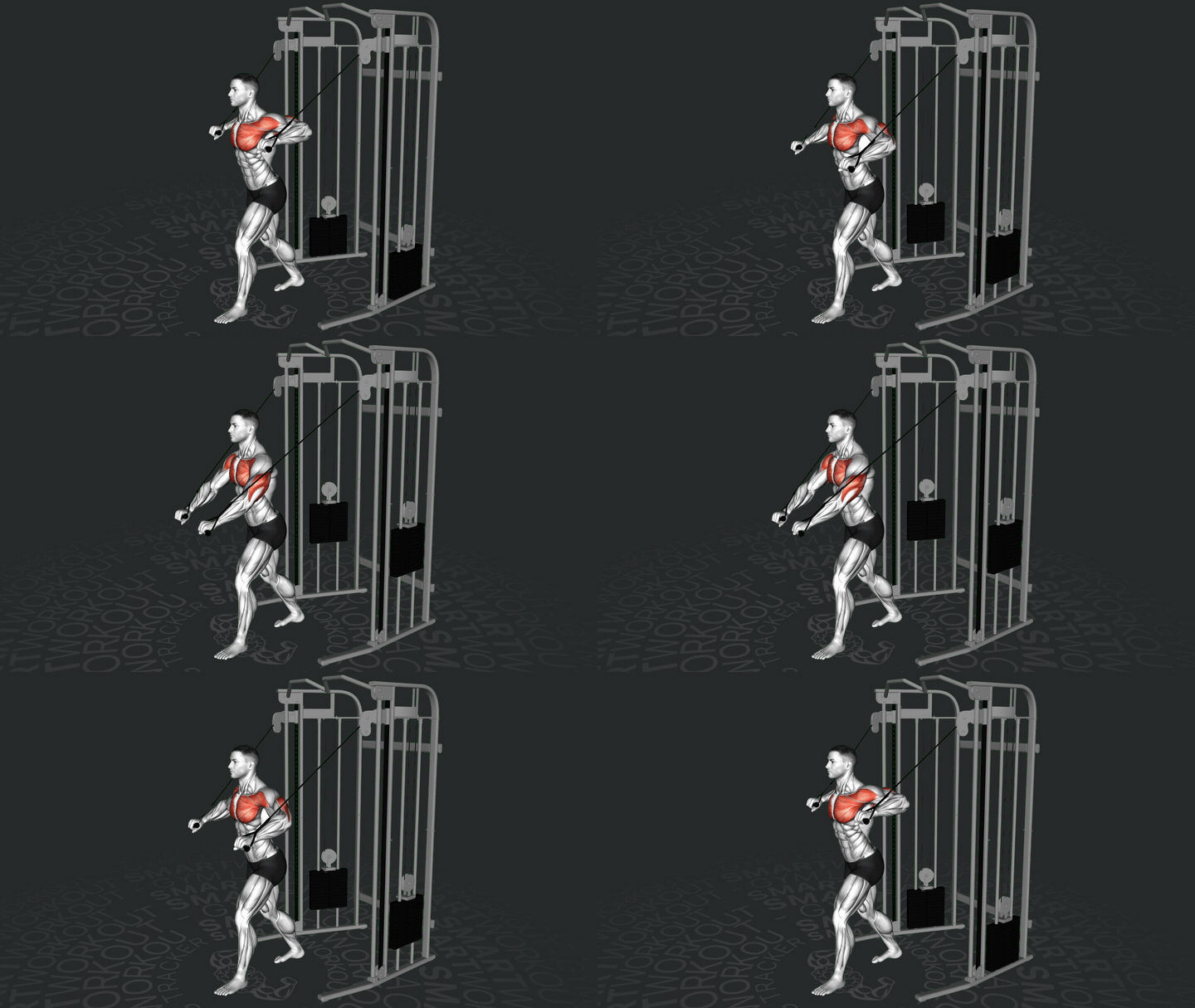
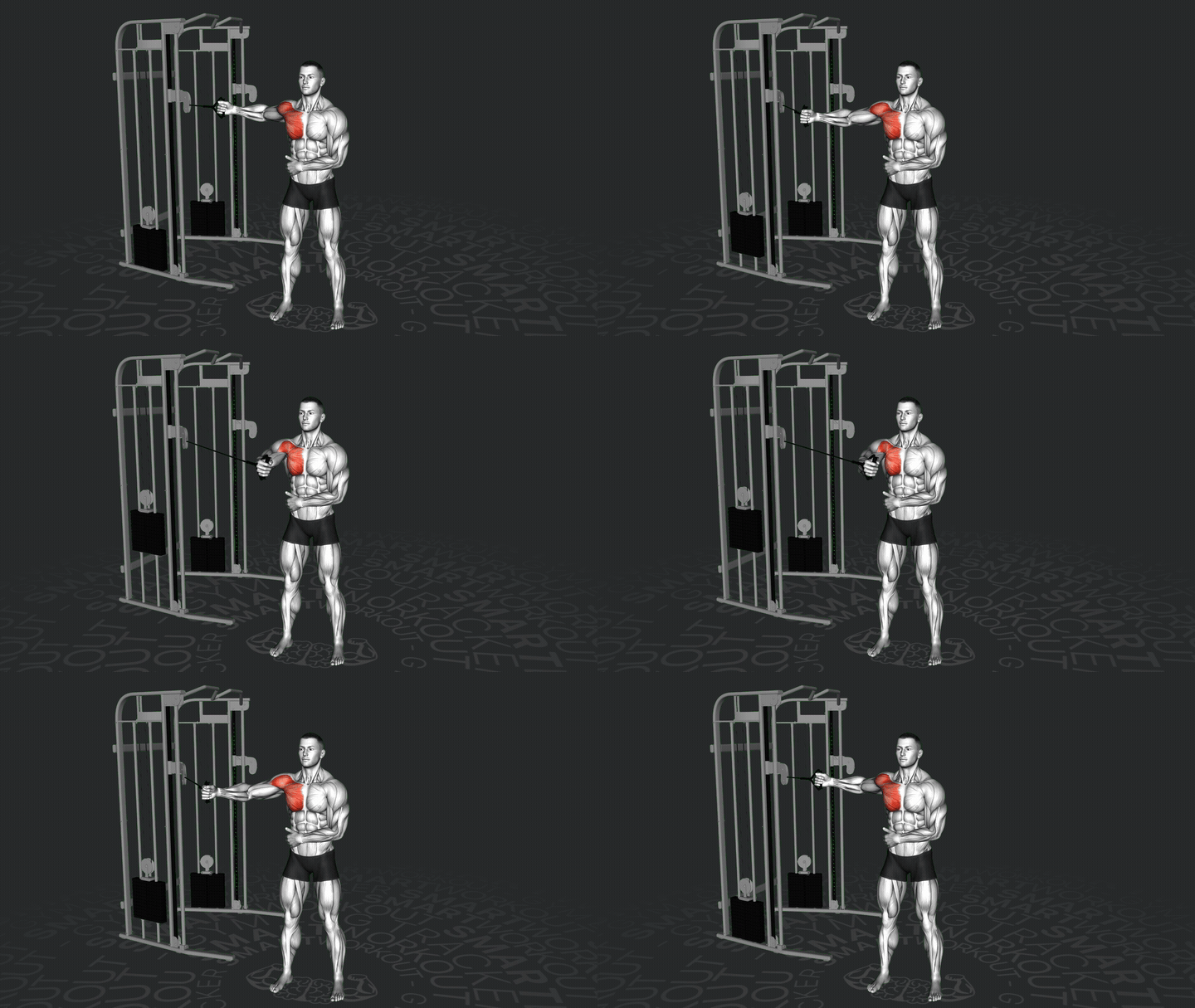
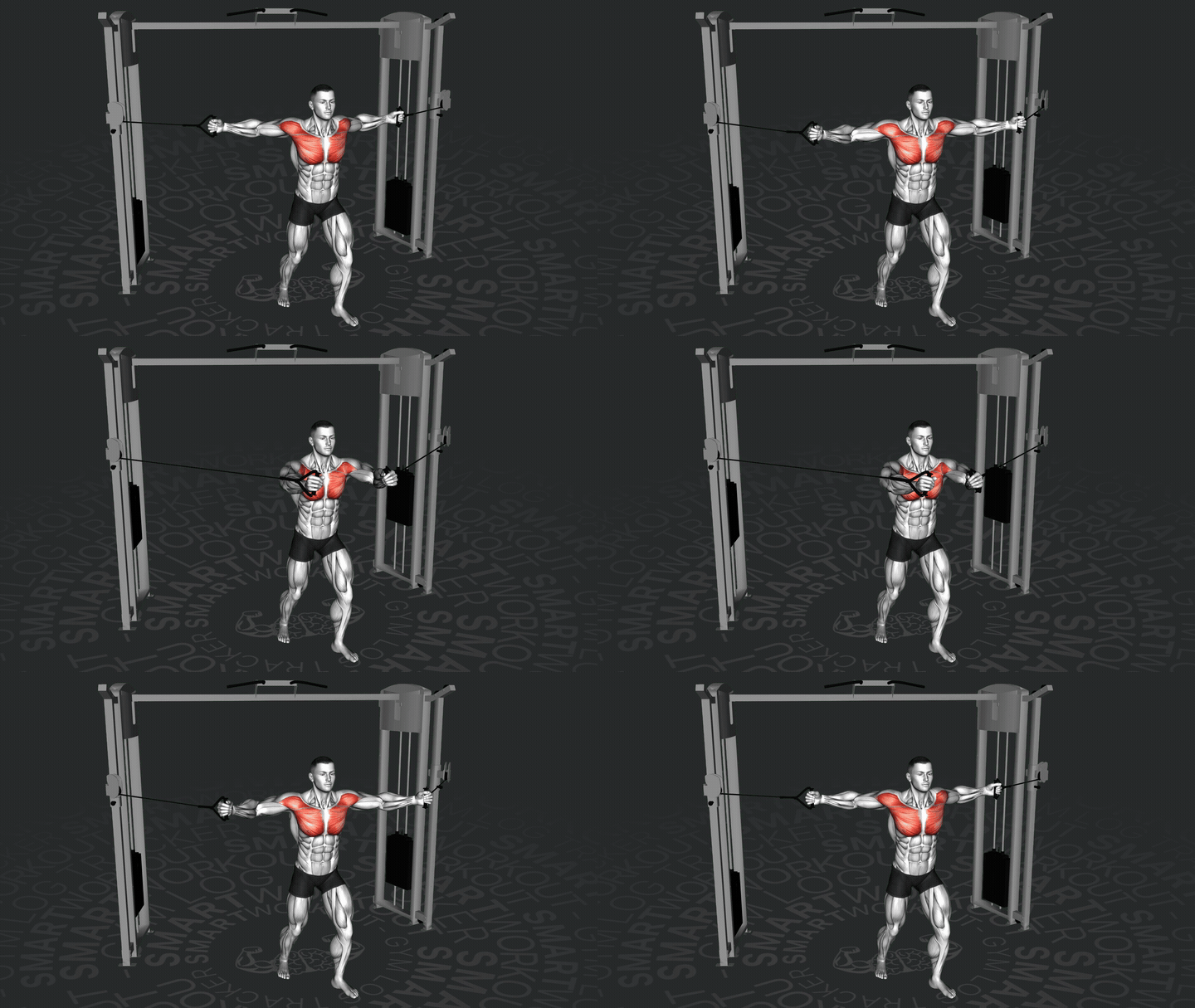
The High Low Cable Chest Fly is an isolation exercise targeting the pectoral muscles. It involves using a cable machine to perform a fly motion, starting with the cables positioned high above the shoulders and pulling them downwards in an arc towards the midline of the body. This movement emphasizes the lower portion of the chest.
exercise_detail.how_to_perform
- Set the pulleys on a cable machine to a high position above shoulder height.
- Attach D-handle attachments to each pulley.
- Stand in the center of the machine with feet shoulder-width apart, holding a handle in each hand.
- Step forward slightly to create tension in the cables, keeping a slight bend in your elbows.
- Position your arms out to the sides at shoulder height, palms facing forward.
- Exhale and bring your hands together in front of your body in a wide arc, maintaining the bend in your elbows.
- Squeeze your chest muscles at the peak of the movement.
- Inhale and slowly return to the starting position, controlling the weight throughout.
- Repeat for the desired number of repetitions.
exercise_detail.what_muscles_work
exercise_detail.primary_muscle:
exercise_detail.tips
- Keep your core engaged throughout the exercise to maintain stability.
- Avoid locking out your elbows; maintain a slight bend to protect your joints.
- Focus on squeezing your chest muscles as you bring your hands together.
- Control the movement on both the concentric (bringing hands together) and eccentric (returning to start) phases.
- Adjust the weight so that you can perform each repetition with proper form without straining.
- Keep your movements slow and controlled to maximize muscle engagement.
exercise_detail.common_mistakes
- Starting with the cables too high or too low, leading to improper targeting of the chest muscles.
- Allowing the elbows to bend excessively, which shifts focus away from the chest to the arms.
- Using momentum to swing the cables instead of controlled movements, reducing muscle engagement.
- Failing to maintain a slight bend in the elbows, increasing strain on the shoulder joints.
- Overextending the arms at the end of the motion, risking shoulder injury.
- Not retracting the shoulder blades, which can lead to poor posture and ineffective chest activation.
- Setting the weight too heavy, causing form breakdown and reduced range of motion.
- Leaning too far forward or backward, compromising balance and targeting the wrong muscle groups.
- Not aligning the wrists with the forearms, leading to wrist strain.
- Neglecting to engage the core, which can result in instability and poor form.
exercise_detail.recommended_exercises
exercise_detail.recommended_exercises_intro
exercise_detail.app_ad.title
exercise_detail.app_ad.description