Standing Cable Chest Press
StrengthPushFunctional
Track this exercise in SmartWorkout
Log sets, weights and progress for free, with no workout limits.


Body Part: Chest
Description
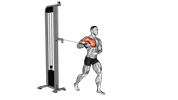
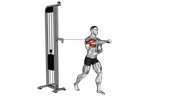
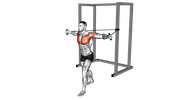
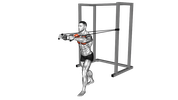
The Standing Cable Chest Press is an effective exercise targeting the pectoral muscles, triceps, and anterior deltoids. It involves pressing a cable forward while standing, engaging the core for stability and balance.
How to Perform
- Set the cable pulleys at chest height and attach handles.
- Stand in the center of the cable machine with feet shoulder-width apart.
- Grasp the handles with an overhand grip and step forward slightly to create tension in the cables.
- Position your hands at chest level with elbows bent at 90 degrees.
- Engage your core and maintain a slight bend in your knees.
- Press the handles forward until your arms are fully extended without locking your elbows.
- Slowly return to the starting position, keeping tension in the cables.
- Repeat for the desired number of repetitions.
What Muscles Work
Primary Muscle:
Secondary Muscles:
Tips
- Keep your core engaged throughout the movement to maintain balance.
- Avoid locking your elbows at the end of the press to protect your joints.
- Maintain a slight bend in your knees for better stability.
- Focus on squeezing your chest muscles as you press forward.
- Control the movement on the way back to maximize muscle engagement.
- Adjust the weight so that you can perform the exercise with proper form.
Common Mistakes
- Elbows flaring out too wide, reducing chest engagement and increasing shoulder strain.
- Arching the lower back excessively, leading to poor core engagement and potential lower back discomfort.
- Allowing the shoulders to shrug, which reduces chest activation and increases neck tension.
- Using momentum by leaning forward or backward, compromising control and muscle engagement.
- Failing to align the cables with the chest line, resulting in improper force direction and reduced effectiveness.
- Overextending the arms at the end of the press, causing unnecessary joint stress.
- Neglecting to maintain a stable stance, which affects balance and power output.
- Rushing through repetitions, leading to poor form and reduced muscle activation.
- Not retracting the shoulder blades at the start, diminishing chest involvement.
- Using a grip that is too wide or too narrow, affecting the range of motion and muscle targeting.
Recommended Exercises
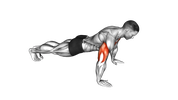
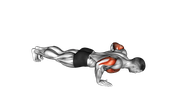
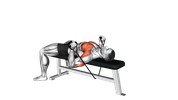
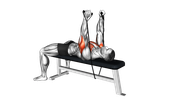
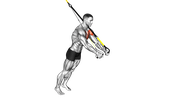
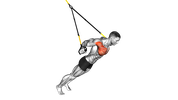
Explore exercises related to Standing Cable Chest Press for chest training and similar movement patterns.
Choose a workout plan or create your own - for free
Ready-made plans for every goal, a free plan creator, hundreds of exercises and an advanced workout journal - all in SmartWorkout.