Push-Up
Also known as: Pushup, Press-up, Standard push-up
StrengthCorePushFunctional
Track Push-Up in SmartWorkout and watch your numbers go up
Log sets, weights and progress for free, with no workout limits.


Body Part: Chest
Description
The push-up is a bodyweight exercise that primarily targets the chest, triceps, and shoulders. It also engages the core and stabilizing muscles, making it a comprehensive upper body workout. Push-ups can be performed anywhere and are fundamental for building strength and endurance.
How to Perform
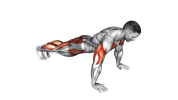
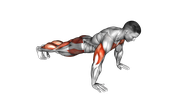
- Start in a plank position with your hands placed slightly wider than shoulder-width apart and your feet together. Your body should form a straight line from head to heels.
- Engage your core by pulling your belly button towards your spine to maintain a neutral spine position.
- Lower your body by bending your elbows, keeping them at a 45-degree angle to your torso. Descend until your chest nearly touches the floor.
- Pause briefly at the bottom, then push through your palms to extend your elbows and return to the starting position.
- Ensure that your body remains in a straight line throughout the movement without sagging or arching your back.
What Muscles Work
Primary Muscle:
Secondary Muscles:
Tips
- Keep your elbows at a 45-degree angle to protect your shoulders and maximize chest engagement.
- Maintain a tight core throughout the exercise to prevent your hips from sagging.
- Focus on controlled movements; avoid bouncing off the floor at the bottom of the push-up.
- If you struggle with full push-ups, start with knee push-ups or incline push-ups to build strength.
- Breathe in as you lower yourself and exhale as you push back up.
Common Mistakes
- Allowing hips to sag, leading to lower back strain.
- Flaring elbows out too wide, increasing shoulder stress.
- Not maintaining a straight line from head to heels.
- Failing to engage core muscles, compromising stability.
- Inadequate range of motion, not lowering chest fully to the ground.
- Hands positioned too far forward, reducing chest engagement.
- Neck craning or looking up, causing neck strain.
- Rushing through reps, sacrificing form for speed.
- Locking elbows at the top, losing muscle tension.
- Uneven weight distribution, favoring one side.
Recommended Exercises
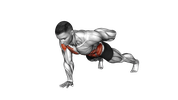
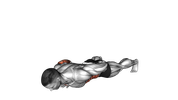
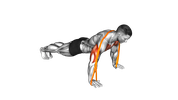
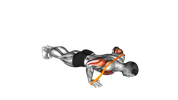
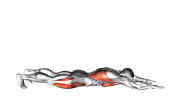
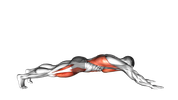
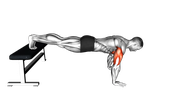
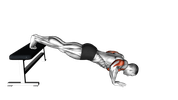
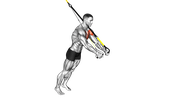
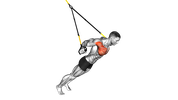
Explore exercises related to Push-Up for chest training and similar movement patterns.
Choose a workout plan or create your own - for free
Ready-made plans for every goal, a free plan creator, hundreds of exercises and an advanced workout journal - all in SmartWorkout.