Resistance Band Push-Up
StrengthPushFunctionalCore
Track this exercise in SmartWorkout
Log sets, weights and progress for free, with no workout limits.


Body Part: Chest
Description
The Resistance Band Push-Up is a variation of the traditional push-up that incorporates a resistance band to increase the intensity and engage the chest, triceps, and shoulders more effectively. This exercise enhances upper body strength and stability by adding variable resistance throughout the movement.
How to Perform
- Anchor a resistance band around your upper back, holding the ends of the band in each hand.
- Assume a push-up position with your hands slightly wider than shoulder-width apart and feet together or slightly apart for stability.
- Ensure your body forms a straight line from head to heels, engaging your core and glutes.
- Lower your body towards the ground by bending your elbows, keeping them at a 45-degree angle relative to your torso.
- Pause briefly when your chest is just above the floor.
- Push through your palms to extend your arms and return to the starting position, maintaining tension in the band throughout the movement.
- Repeat for the desired number of repetitions.
What Muscles Work
Primary Muscle:
Secondary Muscles:
Tips
- Choose a resistance band that provides enough tension to challenge you but allows you to maintain proper form.
- Keep your elbows slightly tucked in rather than flaring them out to protect your shoulders.
- Focus on maintaining a straight line from head to heels by engaging your core muscles throughout the exercise.
- Control the movement both on the way down and up to maximize muscle engagement and effectiveness.
- If you're new to this exercise, start with fewer repetitions and gradually increase as you build strength.
- Ensure that the resistance band is securely anchored around your back to prevent it from slipping during the exercise.
Common Mistakes
- Placing the resistance band too high or low on the back, leading to uneven tension.
- Allowing the elbows to flare out excessively, reducing shoulder stability.
- Failing to engage the core, causing the hips to sag or rise.
- Not maintaining a straight line from head to heels, compromising form.
- Using a limited range of motion, not lowering the chest close enough to the ground.
- Letting the shoulders shrug up towards the ears, increasing neck strain.
- Pushing through the toes instead of the palms, reducing chest activation.
- Moving too quickly, sacrificing control and muscle engagement.
- Neglecting to keep the wrists aligned with the forearms, increasing wrist strain.
Recommended Exercises
Explore exercises related to Resistance Band Push-Up for chest training and similar movement patterns.













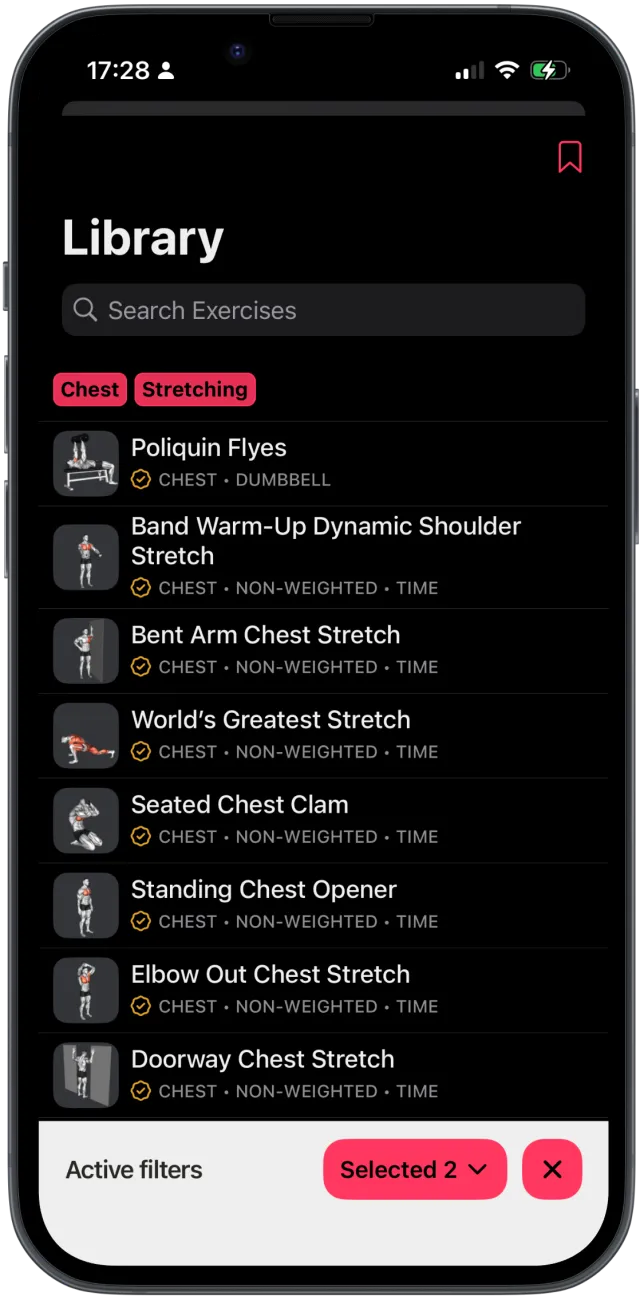
Choose a workout plan or create your own for free
Ready-made plans for every goal, a free plan creator, hundreds of exercises and an advanced workout journal: all in SmartWorkout.
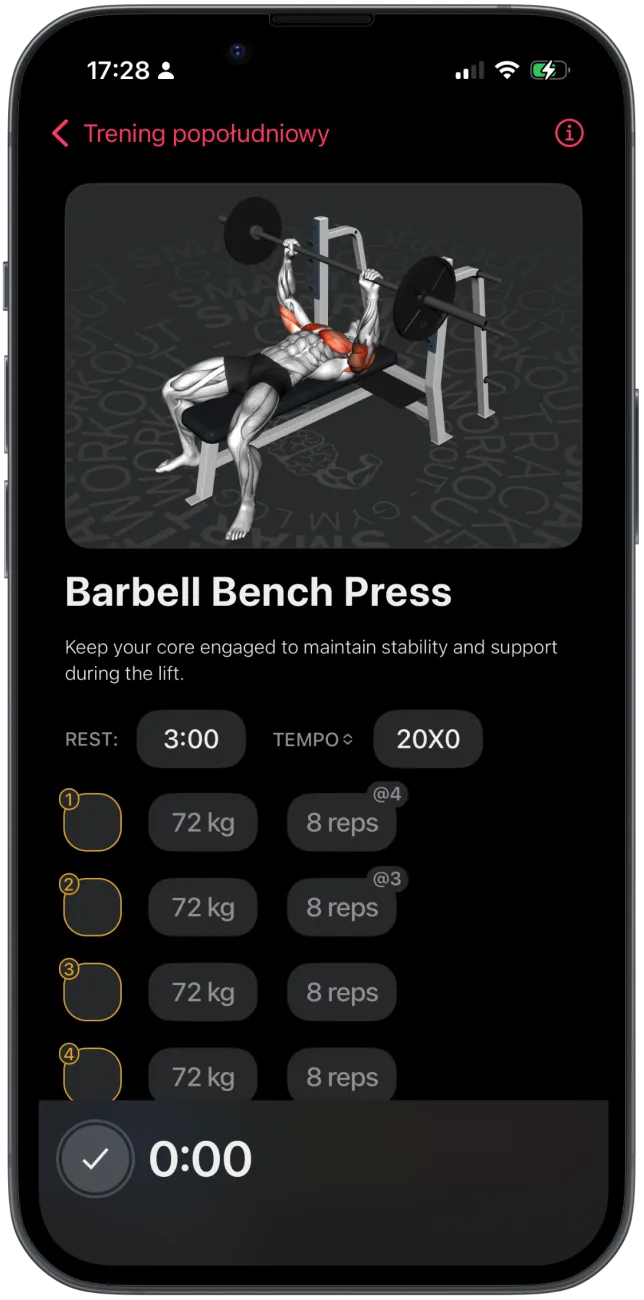
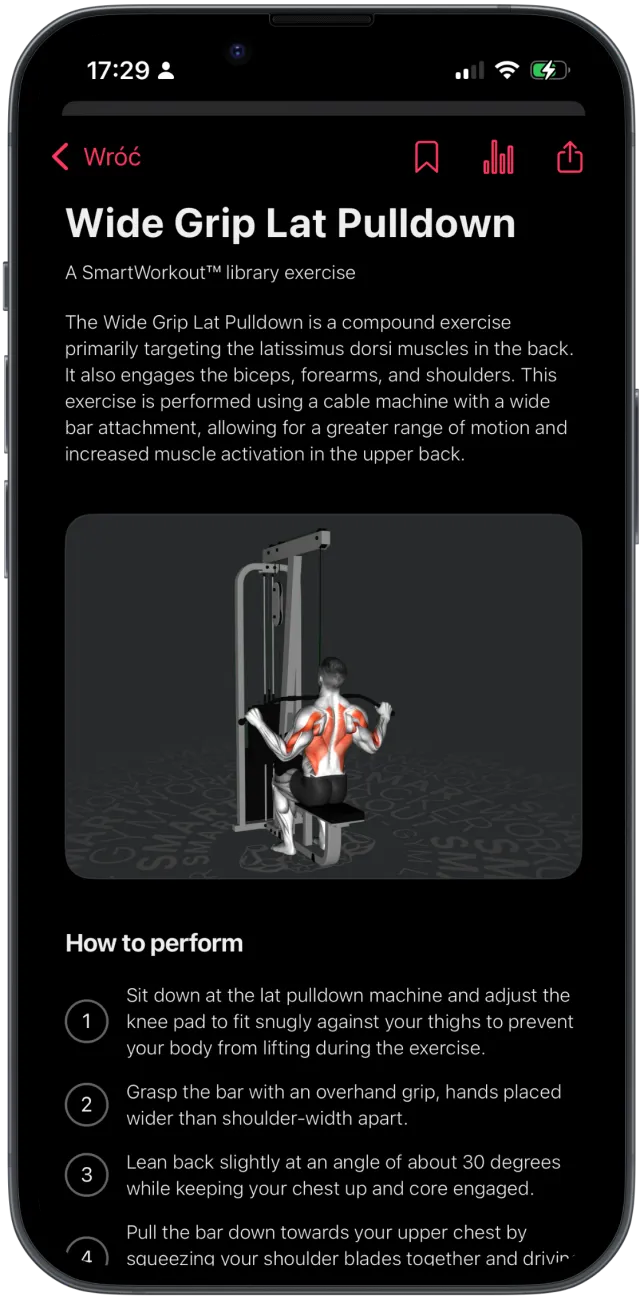
Start with a free plan. Keep progressing with SmartWorkout.
- users
- 200k+
- exercises with technique guides
- 1,000+
- workouts on the free plan
- ∞