Suspension Chest Fly
StrengthFunctionalPush
Track Suspension Chest Fly in SmartWorkout and watch your numbers go up
Log sets, weights and progress for free, with no workout limits.


Body Part: Chest
Description
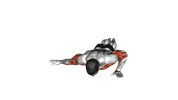
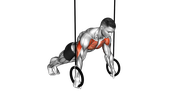
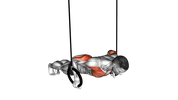
The Suspension Chest Fly is an upper body exercise that targets the pectoral muscles, utilizing suspension straps to engage stabilizing muscles and enhance core strength. This exercise is effective for developing chest definition and improving shoulder stability.
How to Perform
- Attach suspension straps to an anchor point above head height.
- Stand facing away from the anchor point, holding the handles with arms extended in front of you at shoulder height.
- Lean forward slightly, keeping your body straight from head to heels, and engage your core.
- Open your arms out to the sides in a wide arc, maintaining a slight bend in the elbows.
- Lower your body until your chest is in line with your hands, feeling a stretch in your chest muscles.
- Reverse the motion by bringing your arms back together in front of you, squeezing your chest muscles.
- Repeat for the desired number of repetitions.
What Muscles Work
Primary Muscle:
Secondary Muscles:
Tips
- Maintain a neutral spine throughout the exercise to protect your lower back.
- Keep your core engaged to prevent sagging or arching of the lower back.
- Adjust your foot position to modify the difficulty; stepping forward increases intensity, while stepping back decreases it.
- Focus on controlled movements; avoid using momentum to swing the arms.
- Ensure that the straps are taut throughout the exercise for maximum stability and effectiveness.
- Breathe out as you bring your arms together and inhale as you open them.
Common Mistakes
- Allowing the straps to rub against the arms, reducing range of motion and causing discomfort.
- Starting with the straps too loose, leading to instability and poor control.
- Dropping the hips, which disengages the core and affects balance.
- Failing to keep the elbows slightly bent, increasing stress on the shoulder joints.
- Letting the hands come too close together at the top, reducing chest engagement.
- Not maintaining a straight line from head to heels, compromising posture and core activation.
- Allowing the shoulders to hunch forward, reducing chest activation and increasing shoulder strain.
- Using momentum to complete the movement, which reduces muscle engagement and control.
- Not keeping the wrists neutral, leading to potential wrist strain.
- Opening the arms too wide, risking shoulder strain and reducing exercise effectiveness.
Recommended Exercises
Explore exercises related to Suspension Chest Fly for chest training and similar movement patterns.



Choose a workout plan or create your own for free
Ready-made plans for every goal, a free plan creator, hundreds of exercises and an advanced workout journal: all in SmartWorkout.
Start with a free plan. Keep progressing with SmartWorkout.
- users
- 200k+
- exercises with technique guides
- 1,000+
- workouts on the free plan
- ∞