Kneeling Ring Push-Up
StrengthPushFunctional
Track this exercise in SmartWorkout
Log sets, weights and progress for free, with no workout limits.


Body Part: Chest
Description
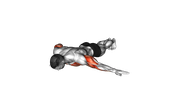
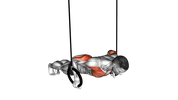
Kneeling Ring Push Ups are a bodyweight exercise that targets the chest, triceps, and shoulders. This variation uses gymnastic rings to increase instability, engaging core muscles for stabilization. Performing the exercise on your knees reduces the load, making it suitable for beginners or those focusing on form and control.
How to Perform
- Adjust the rings so they hang just above the floor.
- Kneel on a mat with your knees hip-width apart.
- Grip the rings firmly with palms facing each other.
- Lean forward slightly, keeping a straight line from shoulders to knees.
- Lower your chest towards the rings by bending your elbows, keeping them close to your body.
- Pause briefly at the bottom of the movement.
- Push through your palms to extend your arms and return to the starting position.
What Muscles Work
Primary Muscle:
Secondary Muscles:
Tips
- Ensure the rings are stable and securely fastened before starting.
- Focus on maintaining a straight line from shoulders to knees throughout the movement.
- Engage your core to prevent sagging or arching of the lower back.
- Keep your elbows close to your body to maximize tricep engagement.
- Control the movement speed, especially when lowering yourself, to increase muscle activation.
- Breathe in as you lower yourself and exhale as you push back up.
Common Mistakes
- Allowing the hips to sag, causing a loss of core engagement and improper alignment.
- Flared elbows, which can lead to shoulder strain and reduced effectiveness.
- Rings set too wide, resulting in excessive shoulder stress and decreased stability.
- Failing to maintain a neutral spine, leading to potential back discomfort.
- Inadequate range of motion by not lowering the chest close enough to the rings.
- Lack of control during the descent, causing instability and poor muscle activation.
- Neglecting to keep wrists neutral, increasing strain on the wrists and forearms.
- Rushing the movement, which reduces time under tension and muscle engagement.
Recommended Exercises
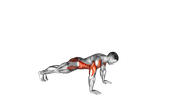
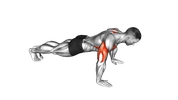
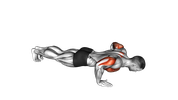
Explore exercises related to Kneeling Ring Push-Up for chest training and similar movement patterns.






Choose a workout plan or create your own for free
Ready-made plans for every goal, a free plan creator, hundreds of exercises and an advanced workout journal: all in SmartWorkout.
Start with a free plan. Keep progressing with SmartWorkout.
- users
- 200k+
- exercises with technique guides
- 1,000+
- workouts on the free plan
- ∞