One-Arm Push-Up
StrengthCoreBalanceFunctionalPush
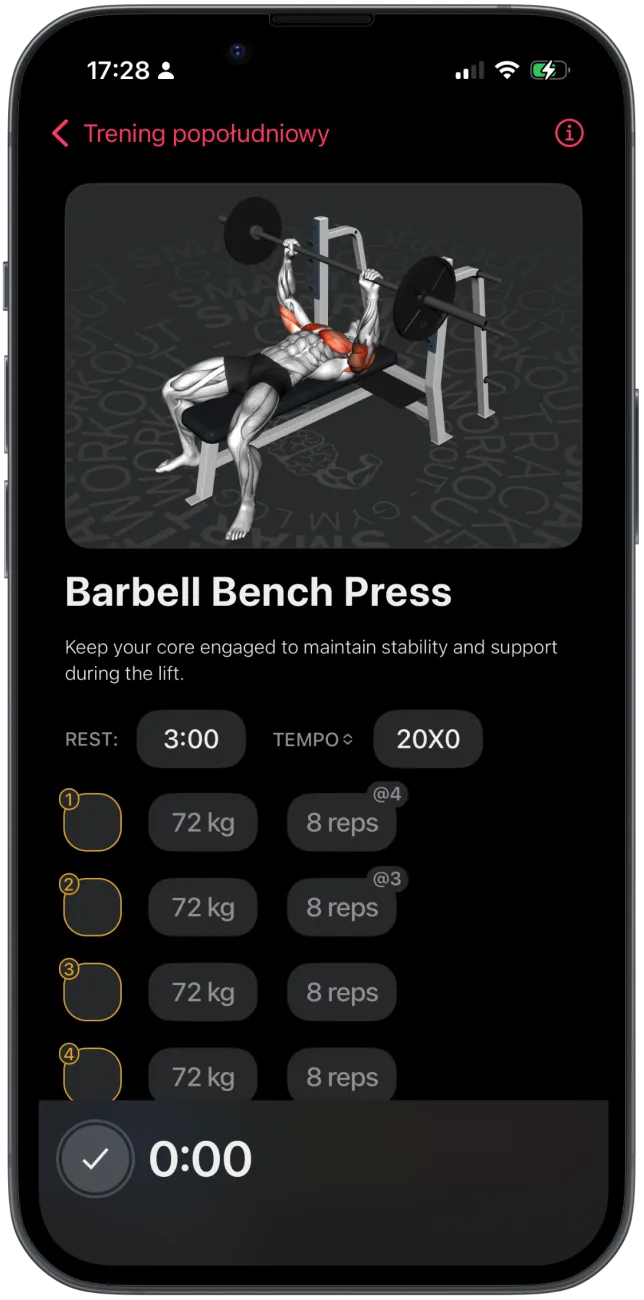
Track One-Arm Push-Up in SmartWorkout and watch your numbers go up
Log sets, weights and progress for free, with no workout limits.


Body Part: Chest
Description
The Single Arm Push Up is an advanced bodyweight exercise that targets the chest, shoulders, triceps, and core muscles. It requires significant strength, balance, and stability, making it a challenging progression from the standard push-up.
How to Perform
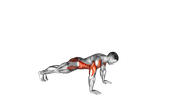
- Begin in a high plank position with your feet slightly wider than shoulder-width apart for better stability.
- Place one hand directly under your shoulder while extending the other arm out to the side or behind your back.
- Engage your core and glutes to maintain a straight line from head to heels.
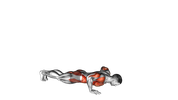
- Lower your body by bending the elbow of the supporting arm until your chest is just above the ground.
- Pause briefly at the bottom, then push through your palm to return to the starting position.
- Repeat for the desired number of repetitions before switching arms.
What Muscles Work
Primary Muscle:
Secondary Muscles:
Tips
- Ensure your core is tight throughout the movement to prevent hip sagging.
- Keep your supporting elbow close to your body as you lower down for better control.
- Start with elevated surfaces or knee variations if full single arm push-ups are too challenging initially.
- Focus on controlled movements rather than speed to maximize muscle engagement and reduce injury risk.
- Breath in as you lower down and exhale as you push up to maintain proper breathing rhythm.
Common Mistakes
- Incorrect hand placement, too wide or too narrow, leading to imbalance.
- Allowing hips to sag or rise, causing poor core engagement.
- Failing to keep the body in a straight line, resulting in misalignment.
- Rotating the torso excessively, losing stability and control.
- Not engaging the shoulder blades, reducing upper body activation.
- Using momentum instead of controlled movement, risking muscle strain.
- Inadequate range of motion, limiting muscle engagement and effectiveness.
- Neglecting to stabilize the non-working arm, causing imbalance.
- Improper foot positioning, affecting balance and support.
Recommended Exercises
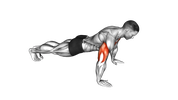
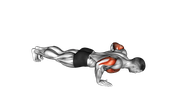
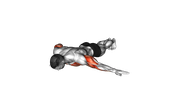
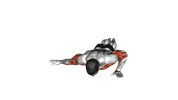
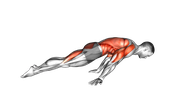
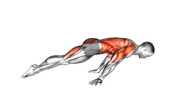
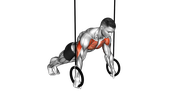
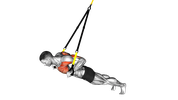
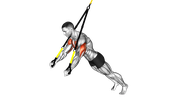
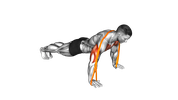
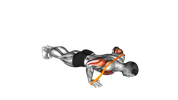
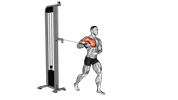
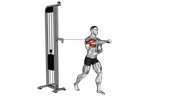
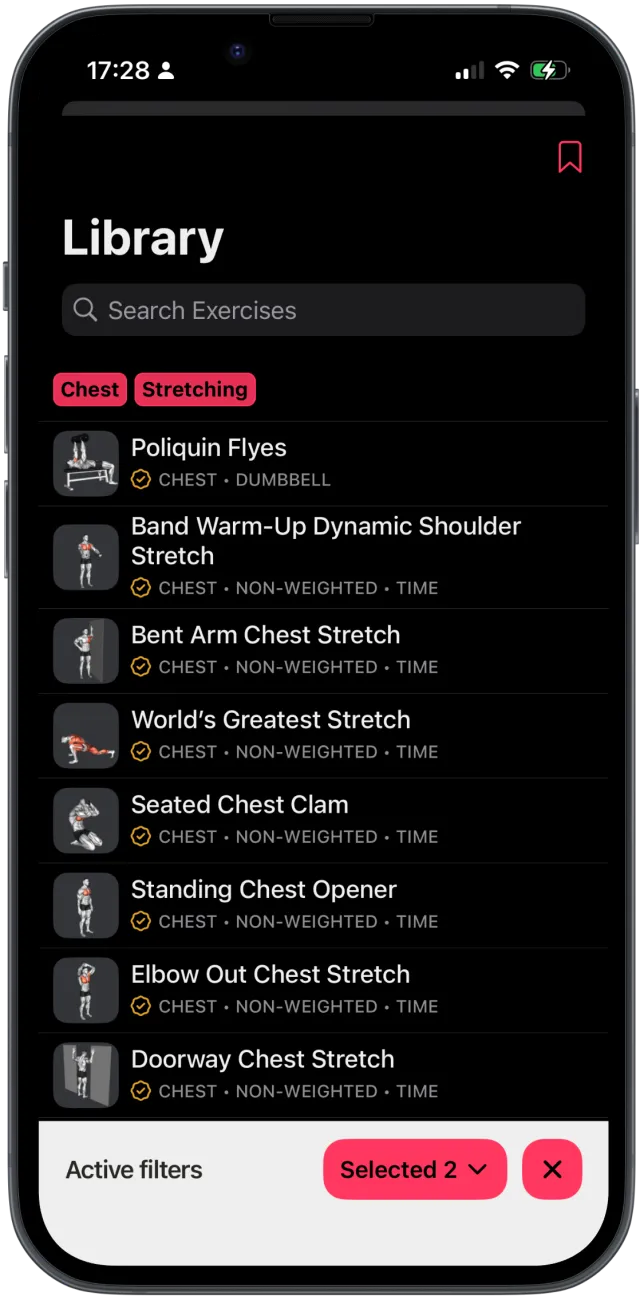
Explore exercises related to One-Arm Push-Up for chest training and similar movement patterns.
Choose a workout plan or create your own for free
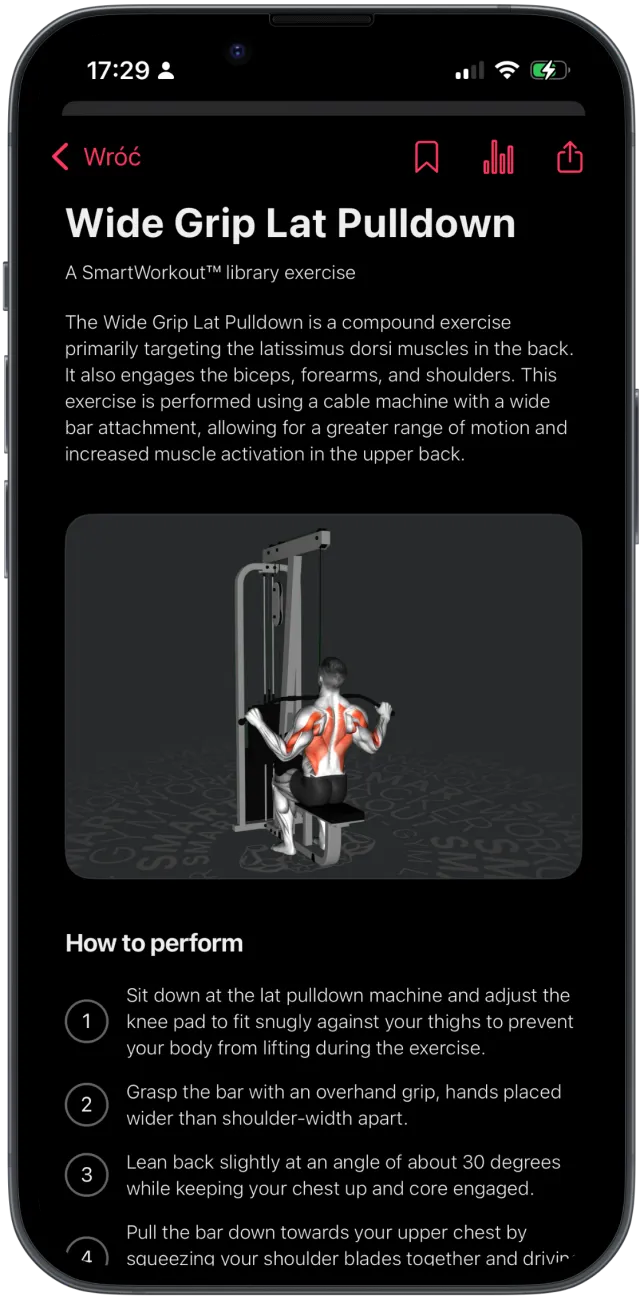
Ready-made plans for every goal, a free plan creator, hundreds of exercises and an advanced workout journal: all in SmartWorkout.
Start with a free plan. Keep progressing with SmartWorkout.
- users
- 200k+
- exercises with technique guides
- 1,000+
- workouts on the free plan
- ∞