One-Arm Cable Fly
enums.exercise_tag.STRENGTHenums.exercise_tag.PUSH
exercise_detail.body_part: enums.body_part.CHEST
exercise_detail.description
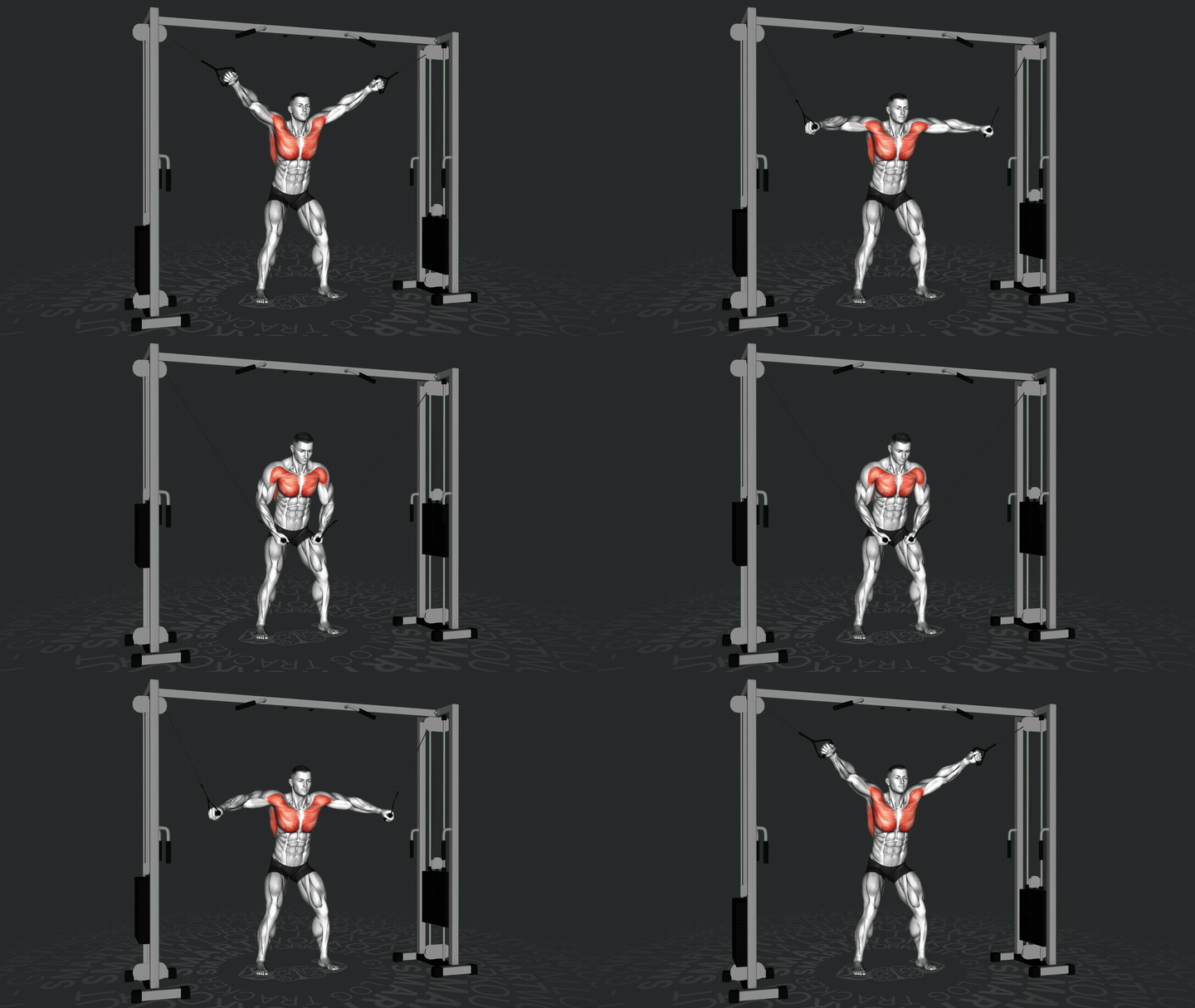
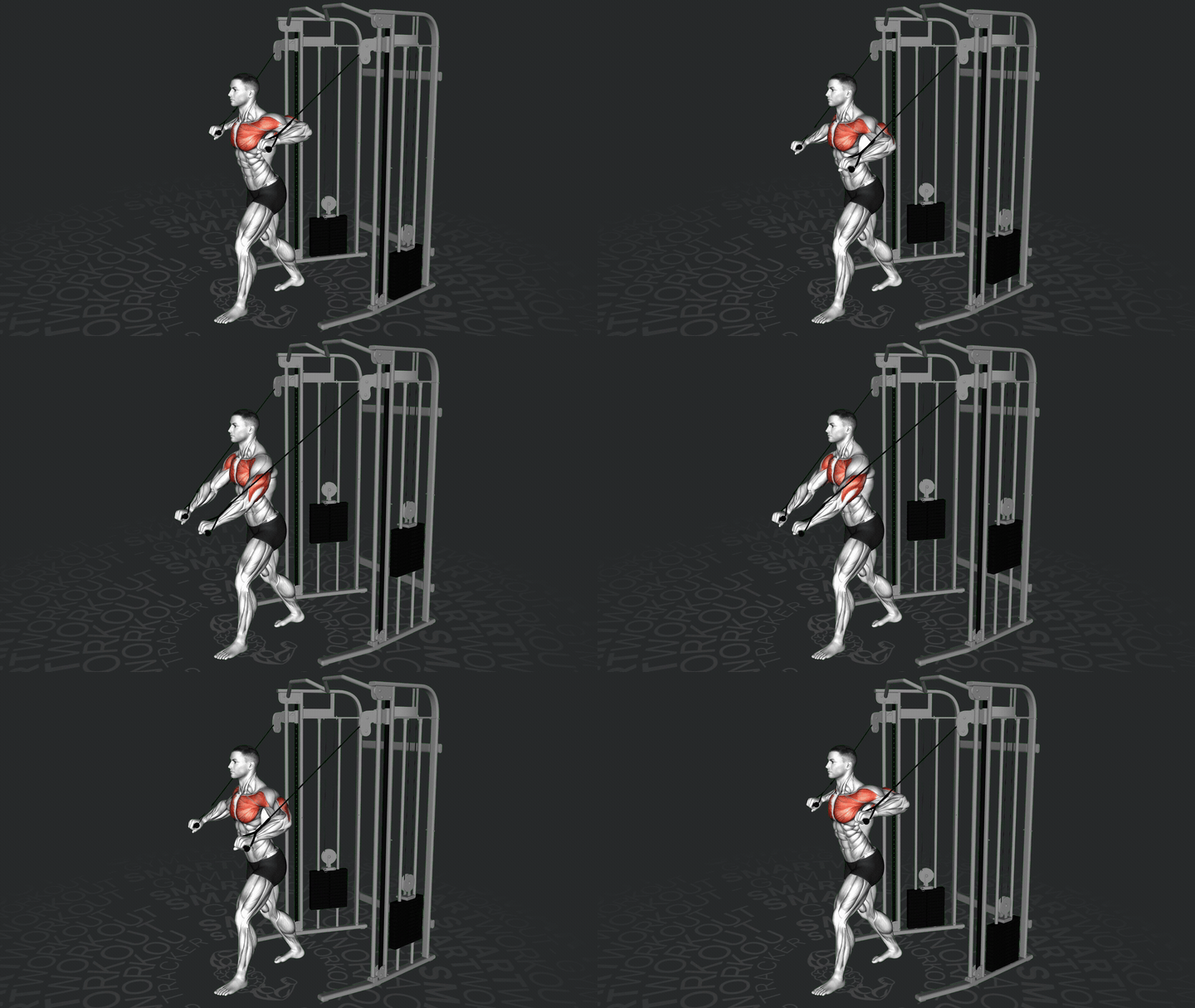
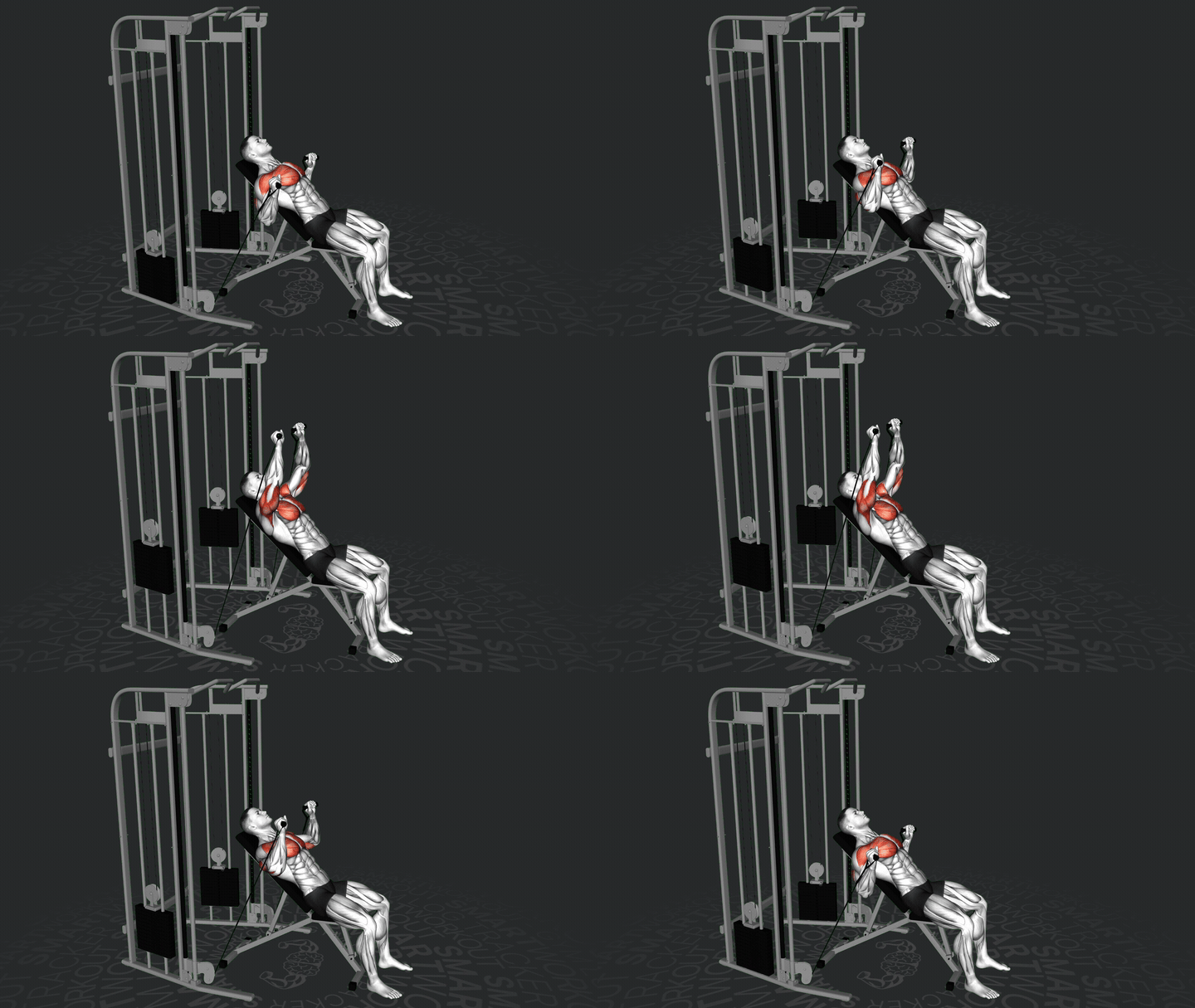
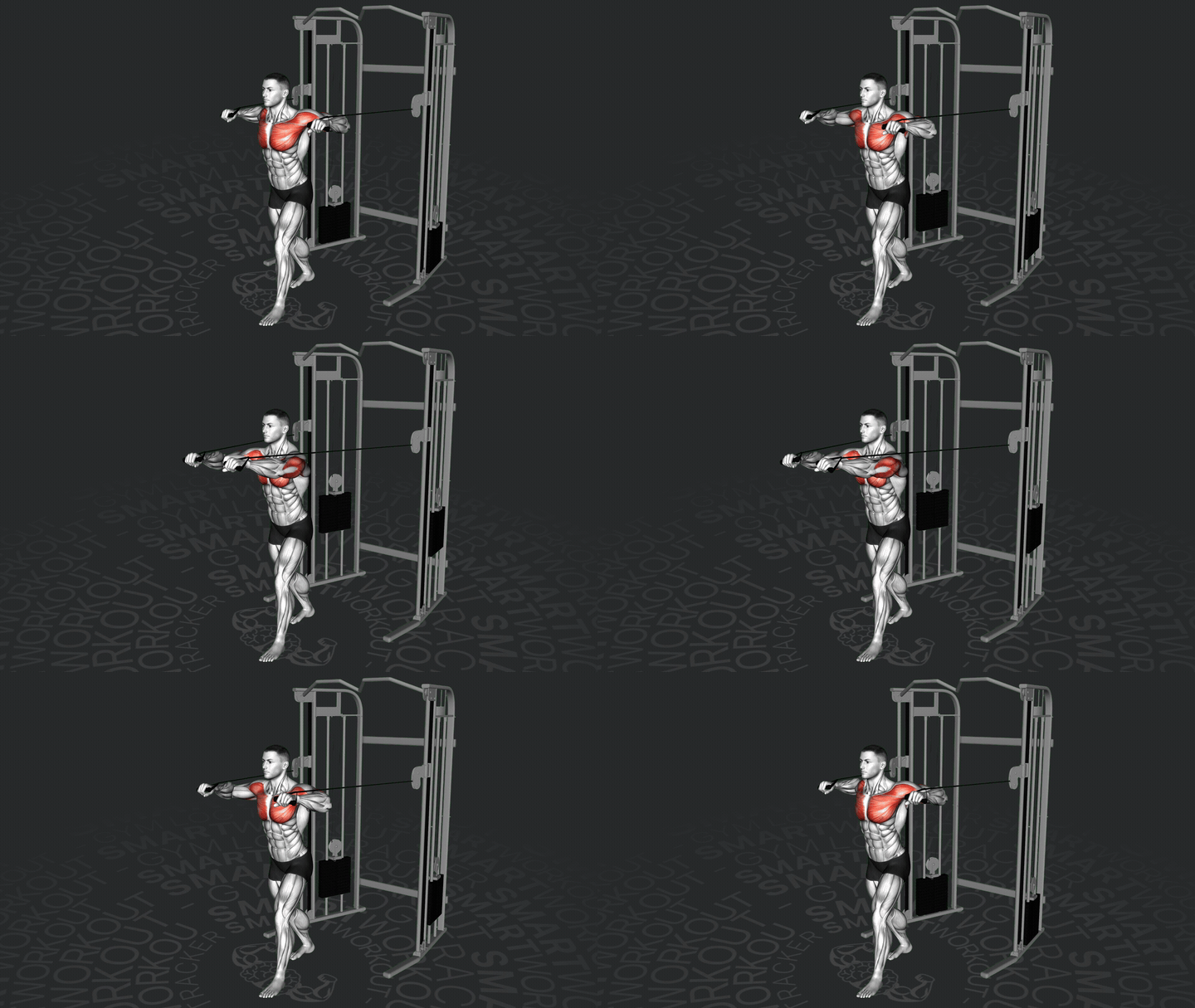
The One-arm Cable Fly is an isolation exercise targeting the pectoral muscles, specifically the chest. It involves using a cable machine to perform a fly motion with one arm, allowing for unilateral training and improved muscle symmetry. This exercise helps in enhancing muscle definition and strength in the chest area.
exercise_detail.how_to_perform
- Set the cable machine to a high pulley position and attach a single handle.
- Stand sideways to the machine, with your feet shoulder-width apart, and grasp the handle with your outer hand.
- Step away from the machine to create tension on the cable, keeping your arm slightly bent.
- Engage your core and maintain a slight bend in your knees for stability.
- Pull the handle across your body in a wide arc, keeping your elbow slightly bent throughout the movement.
- Squeeze your chest at the end of the motion before slowly returning to the starting position.
- Perform the desired number of repetitions before switching to the other arm.
exercise_detail.what_muscles_work
exercise_detail.primary_muscle:
exercise_detail.secondary_muscles:
exercise_detail.tips
- Focus on using your chest muscles to move the weight, not your arms.
- Keep your movements controlled and avoid using momentum.
- Ensure that your shoulder remains stable and does not rotate excessively during the exercise.
- Maintain a slight bend in your elbow to reduce strain on the joint.
- Exhale as you pull the handle across your body and inhale as you return to the starting position.
- Start with a lighter weight to master form before increasing resistance.
exercise_detail.common_mistakes
- Allowing the shoulder to internally rotate, leading to improper engagement of the chest muscles.
- Using too much weight, causing momentum to take over and reducing muscle activation.
- Failing to maintain a slight bend in the elbow, which can strain the joints.
- Not keeping the core engaged, resulting in loss of stability and control.
- Letting the cable pull the arm too far back, which can overstretch the shoulder.
- Neglecting to keep the shoulder blades retracted, reducing chest engagement.
- Performing the movement too quickly, compromising form and muscle control.
- Standing too close or too far from the cable machine, affecting the range of motion and muscle activation.
exercise_detail.recommended_exercises
exercise_detail.recommended_exercises_intro
exercise_detail.app_ad.title
exercise_detail.app_ad.description