Bayesian Cable Curl
enums.exercise_tag.STRENGTHenums.exercise_tag.PULL
exercise_detail.body_part: enums.body_part.BICEPS
exercise_detail.description
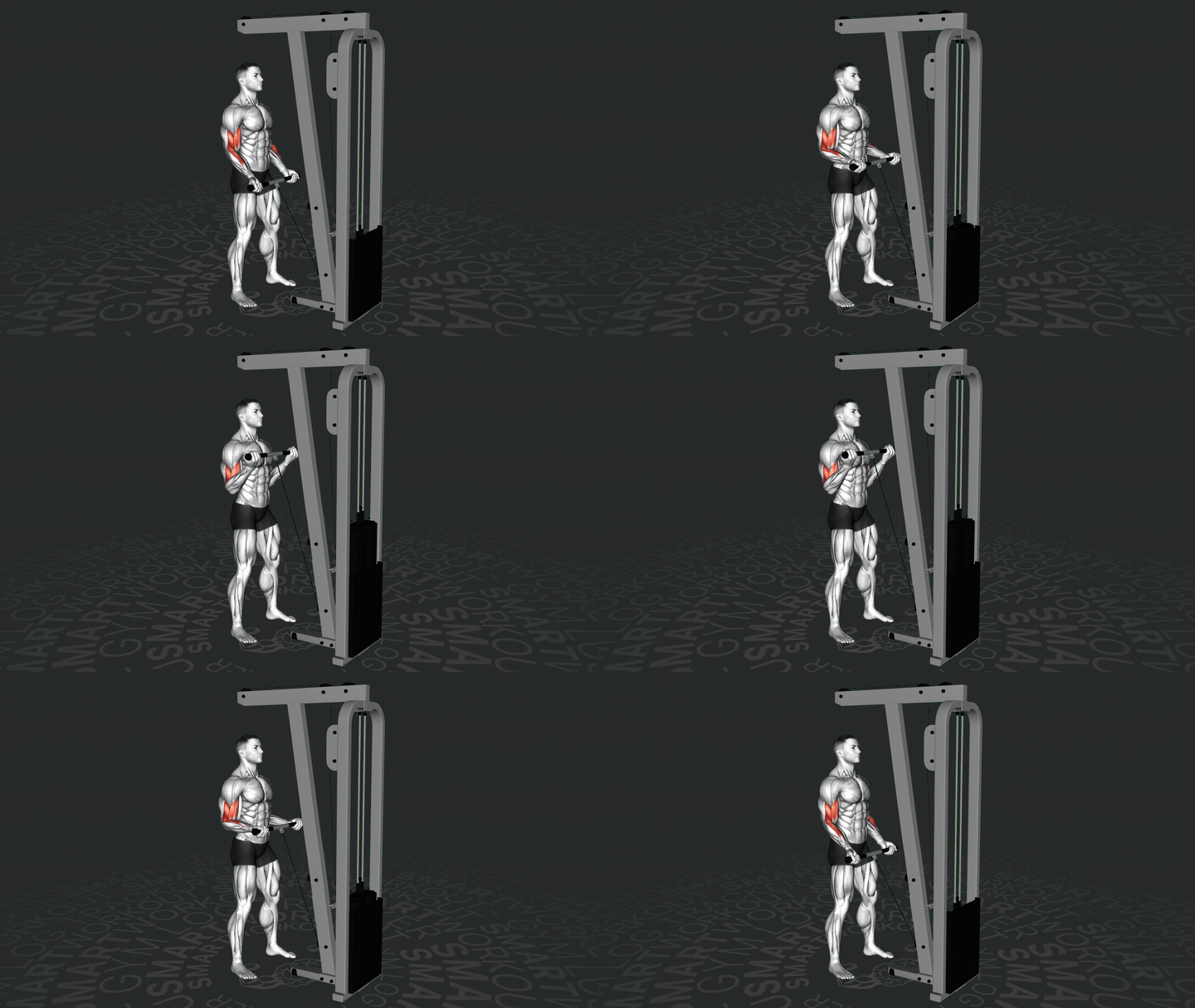
The Bayesian Cable Curl is an isolation exercise targeting the biceps, performed using a cable machine. This exercise emphasizes the stretch and contraction of the biceps by maintaining constant tension throughout the movement. It is ideal for enhancing bicep peak and overall arm development.
exercise_detail.how_to_perform
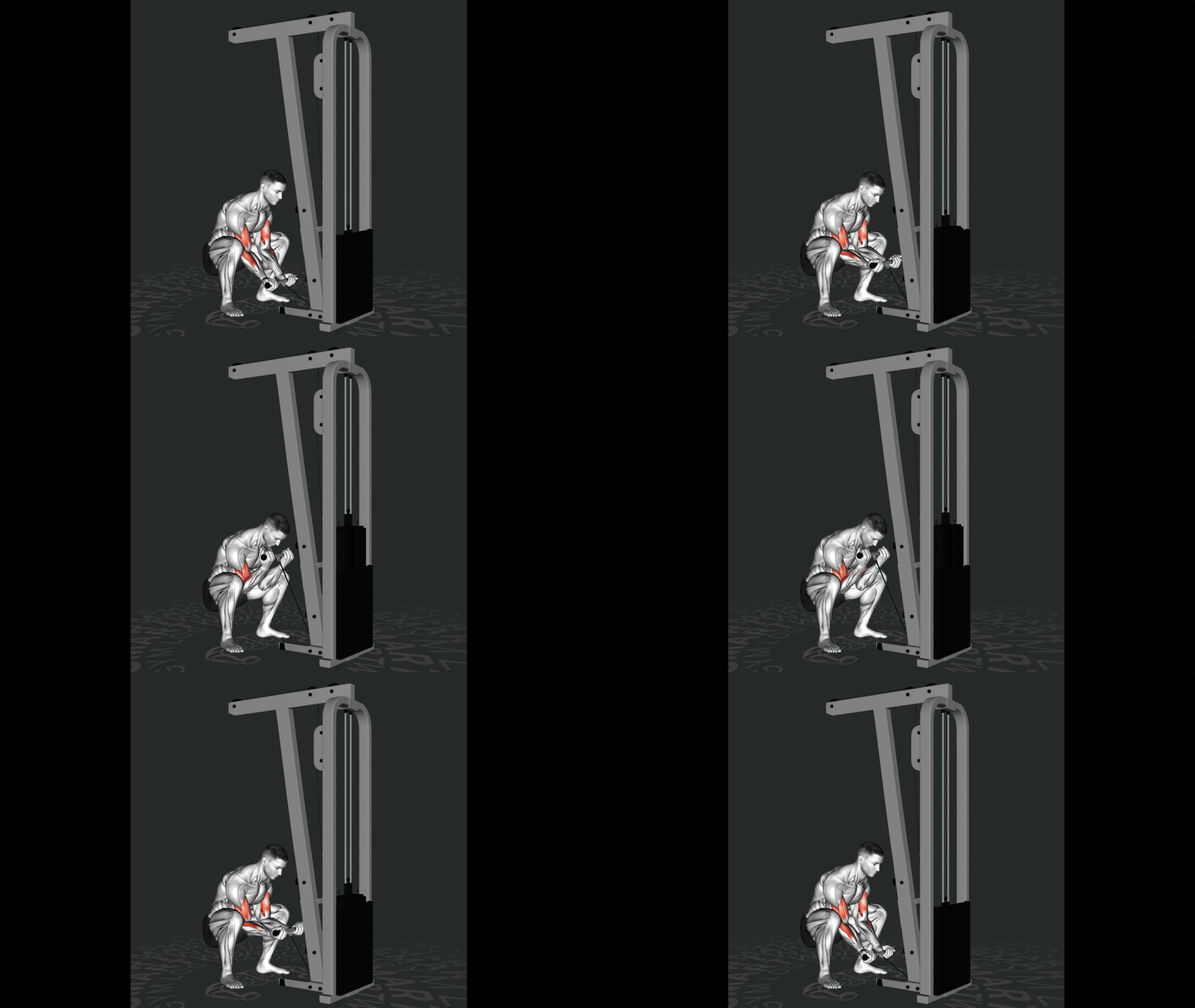
- Set the cable machine to a low pulley position and attach a single handle.
- Stand facing away from the machine, holding the handle with one hand, arm extended behind you.
- Step forward slightly to create tension on the cable and stagger your stance for stability.
- Keep your elbow fixed in place and curl the handle towards your shoulder by contracting your biceps.
- Pause briefly at the top of the movement, ensuring maximum contraction.
- Slowly lower the handle back to the starting position, maintaining control.
- Repeat for the desired number of repetitions, then switch arms.
exercise_detail.what_muscles_work
exercise_detail.primary_muscle:
exercise_detail.tips
- Focus on keeping your elbow stationary to maximize bicep engagement.
- Maintain a slight bend in your knees for better balance and support.
- Avoid using momentum; control both the lifting and lowering phases.
- Ensure your wrist remains neutral throughout the exercise to prevent strain.
- Exhale as you curl up and inhale as you lower down to maintain proper breathing rhythm.
- Adjust the weight so that you can perform each rep with proper form without compromising technique.
exercise_detail.common_mistakes
- Using too much weight, leading to momentum-based lifting instead of controlled movement.
- Standing too far from the cable, causing excessive shoulder involvement and reducing bicep isolation.
- Allowing the elbows to flare out, which decreases tension on the biceps.
- Failing to fully extend the arms at the bottom, limiting range of motion and muscle engagement.
- Curling the wrists at the top, shifting focus away from the biceps to the forearms.
- Leaning back excessively, reducing bicep engagement and risking lower back strain.
- Rushing through reps, sacrificing form and muscle contraction quality.
- Not maintaining a stable core, leading to imbalance and improper form.
exercise_detail.recommended_exercises
exercise_detail.recommended_exercises_intro
exercise_detail.app_ad.title
exercise_detail.app_ad.description