One-Arm Cable Biceps Curl
enums.exercise_tag.STRENGTHenums.exercise_tag.PULL
exercise_detail.body_part: enums.body_part.BICEPS
exercise_detail.description
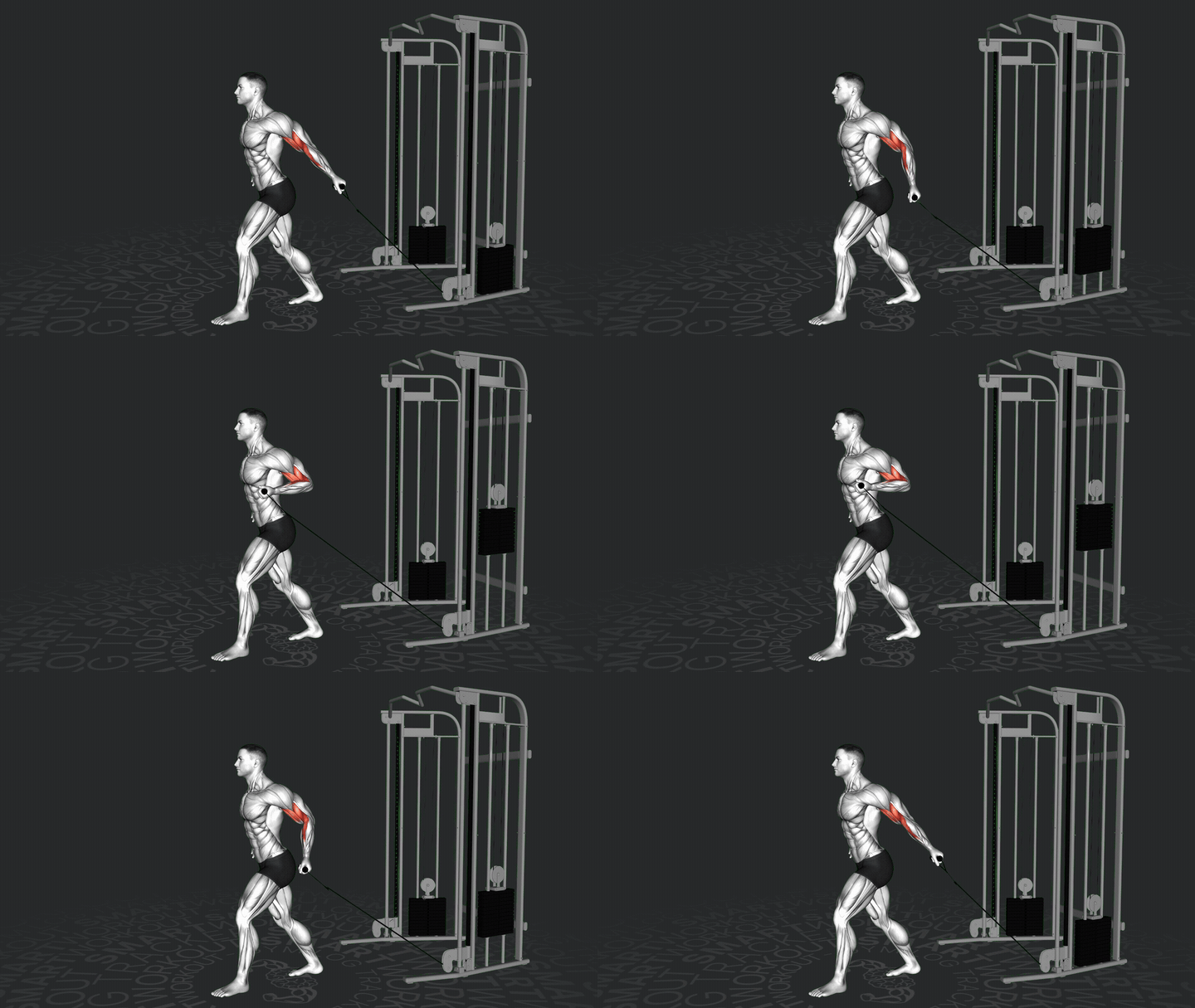
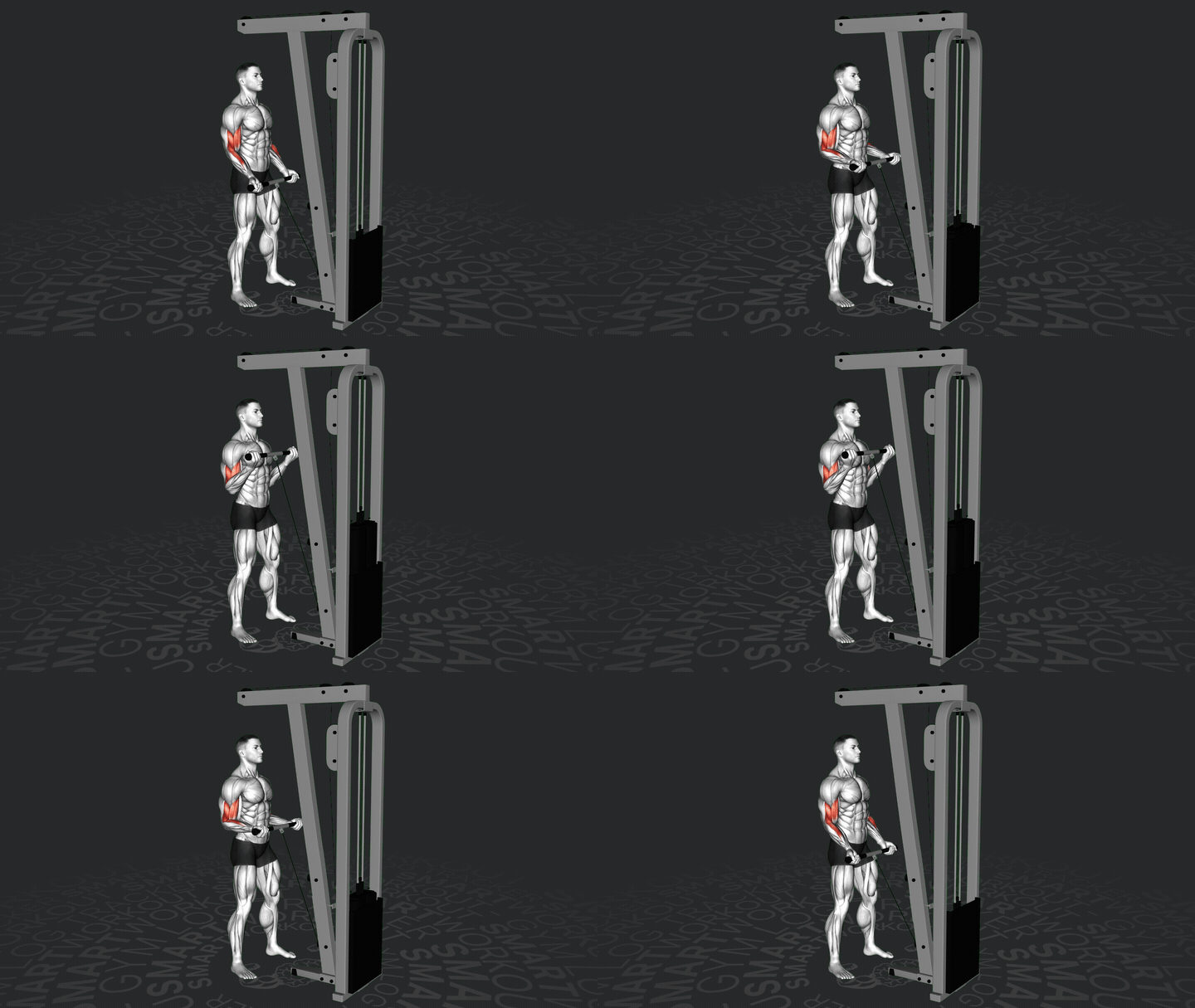
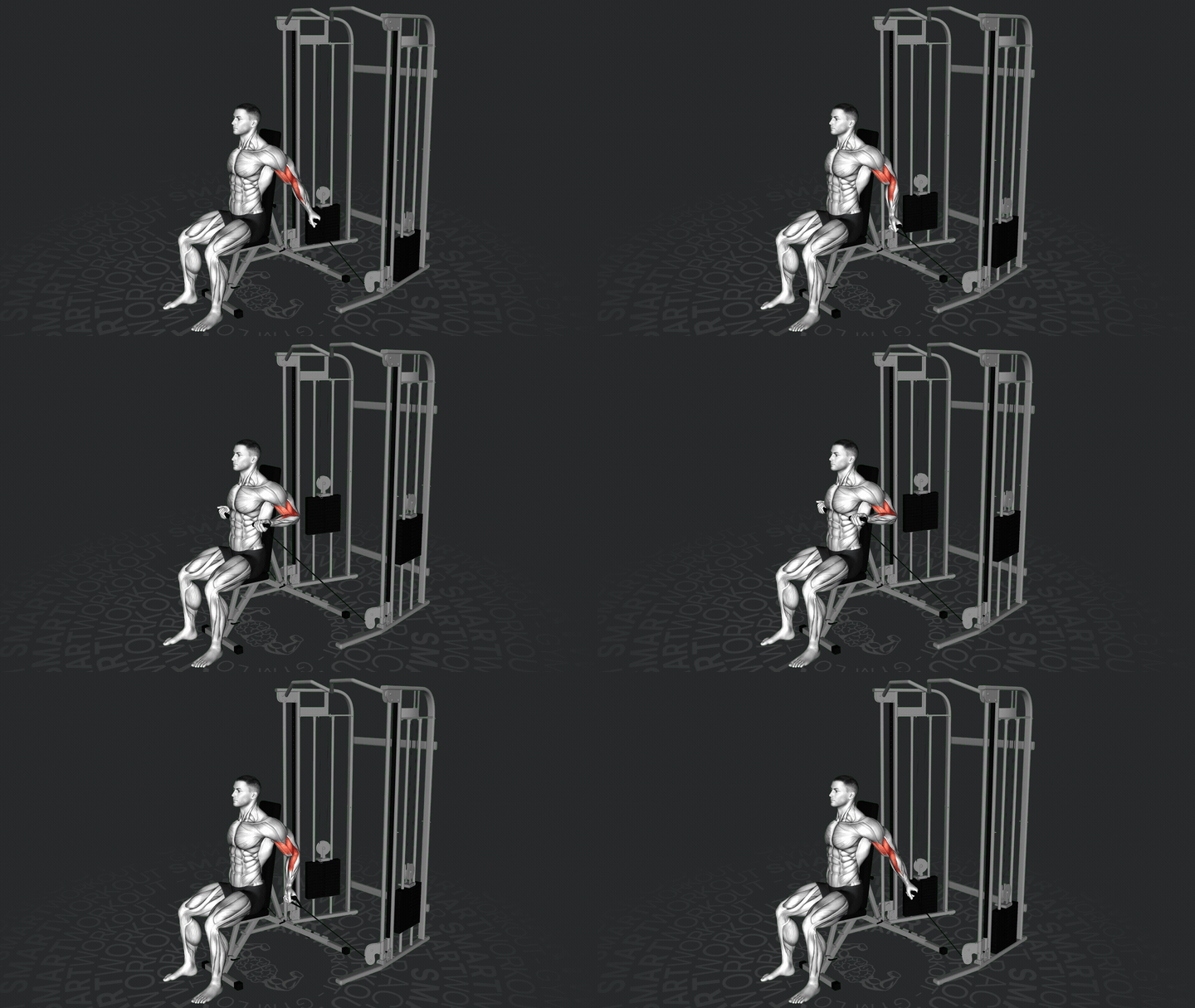
The One-Arm Cable Biceps Curl is an isolation exercise targeting the biceps brachii. It involves using a cable machine to provide constant tension throughout the movement, which helps in maximizing muscle engagement and growth. This exercise is performed unilaterally, allowing for focused attention on each arm individually, which can help address muscle imbalances.
exercise_detail.how_to_perform
- Attach a single handle to a low pulley on a cable machine.
- Stand facing the machine with your feet shoulder-width apart.
- Grasp the handle with one hand, palm facing forward, and step back slightly to create tension in the cable.
- Keep your elbow close to your torso and your upper arm stationary throughout the movement.
- Exhale as you curl the handle upward by contracting your biceps, bringing your hand towards your shoulder.
- Pause briefly at the top of the movement, ensuring maximum contraction of the biceps.
- Inhale as you slowly lower the handle back to the starting position, maintaining control.
- Complete the desired number of repetitions before switching to the other arm.
exercise_detail.what_muscles_work
exercise_detail.primary_muscle:
exercise_detail.secondary_muscles:
exercise_detail.tips
- Maintain a slight bend in your knees for stability during the exercise.
- Avoid swinging your body or using momentum; focus on controlled movements.
- Keep your wrist straight and avoid bending it during the curl to prevent strain.
- Ensure that your shoulder remains relaxed and does not lift during the curl.
- Focus on squeezing your biceps at the top of the movement for optimal contraction.
- Perform the exercise slowly to increase time under tension and enhance muscle growth.
exercise_detail.common_mistakes
- Using too much weight, leading to swinging or jerking movements.
- Allowing the elbow to drift forward or backward instead of keeping it stationary.
- Failing to fully extend the arm at the bottom of the movement, reducing range of motion.
- Curling the wrist instead of keeping it neutral, which can lead to wrist strain.
- Leaning back or using body momentum instead of isolating the biceps.
- Not keeping the shoulder down and relaxed, causing shoulder engagement.
- Rushing the movement, resulting in poor muscle control and engagement.
- Allowing the cable to slack at the bottom, losing tension on the biceps.
exercise_detail.recommended_exercises
exercise_detail.recommended_exercises_intro
exercise_detail.app_ad.title
exercise_detail.app_ad.description