Bayesian Cable Curl Seated
enums.exercise_tag.STRENGTHenums.exercise_tag.PULL
exercise_detail.body_part: enums.body_part.BICEPS
exercise_detail.description
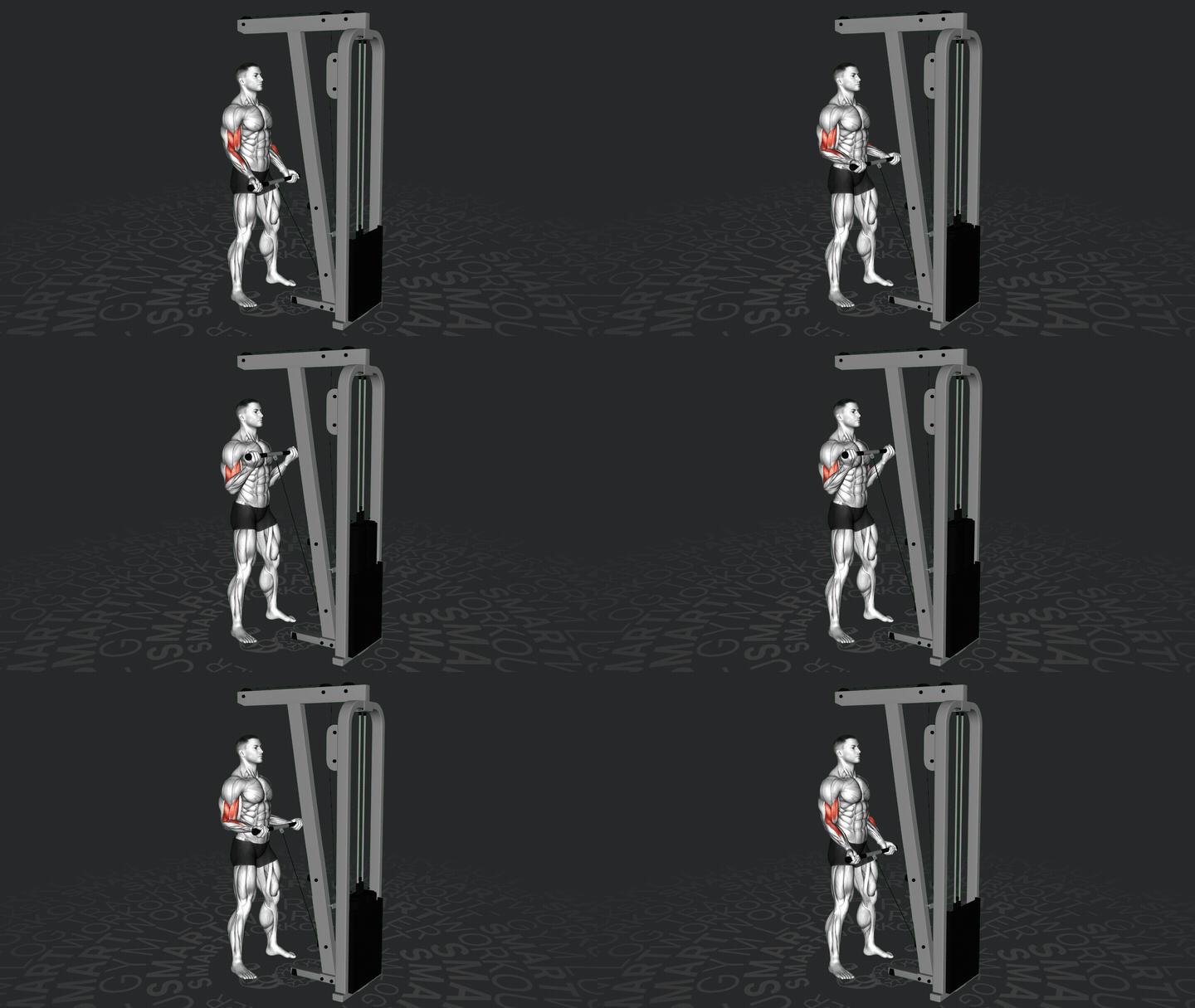
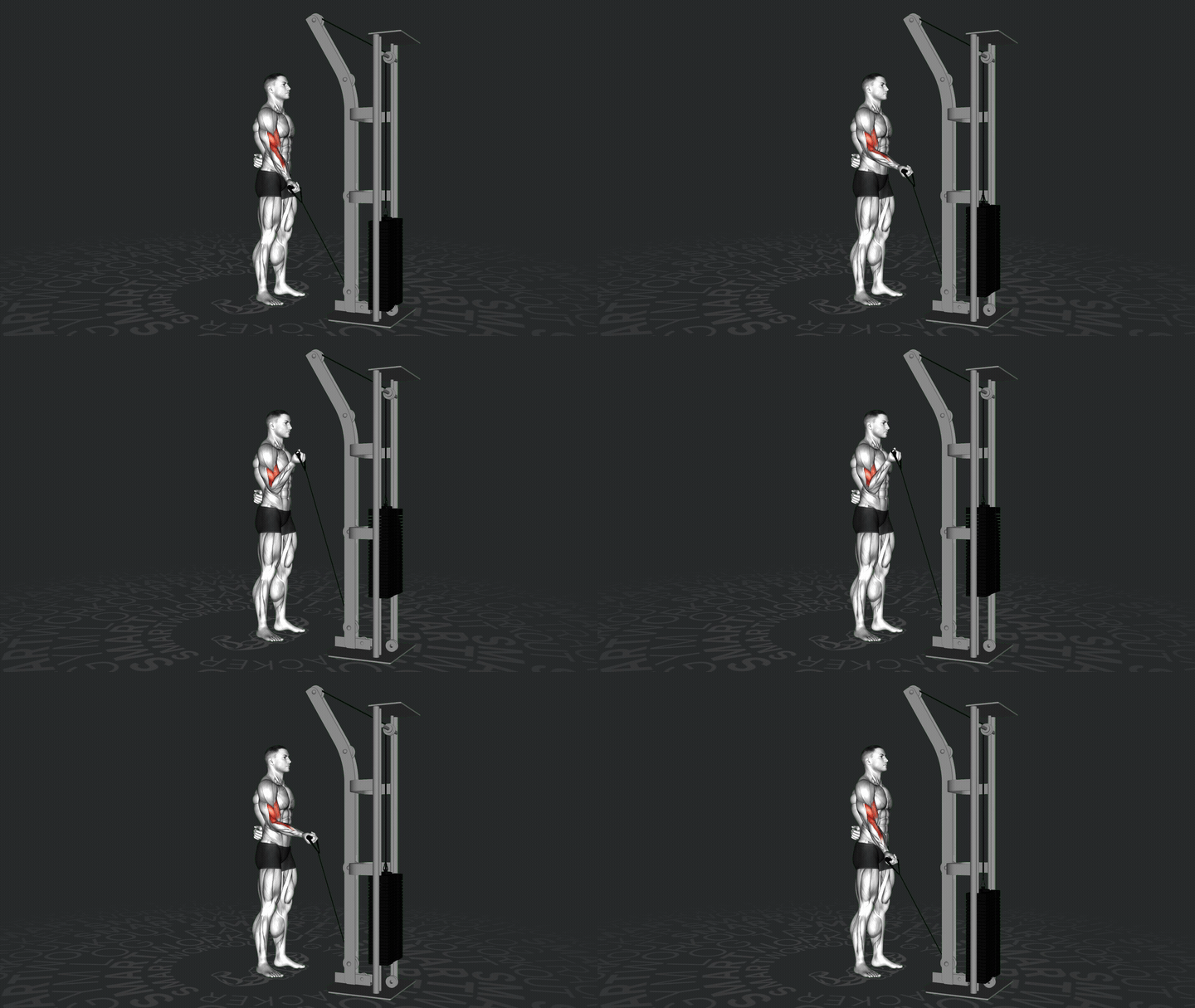
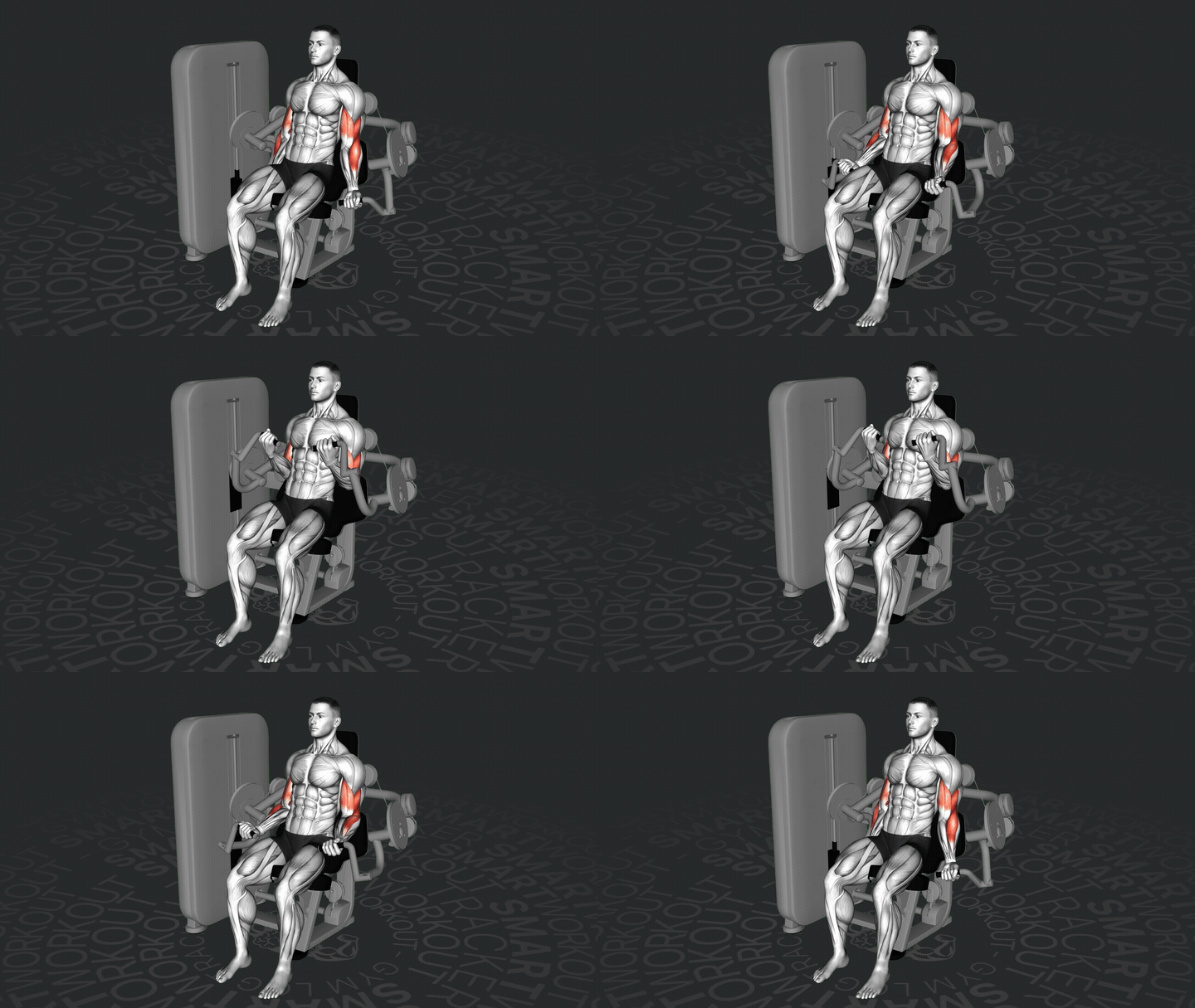
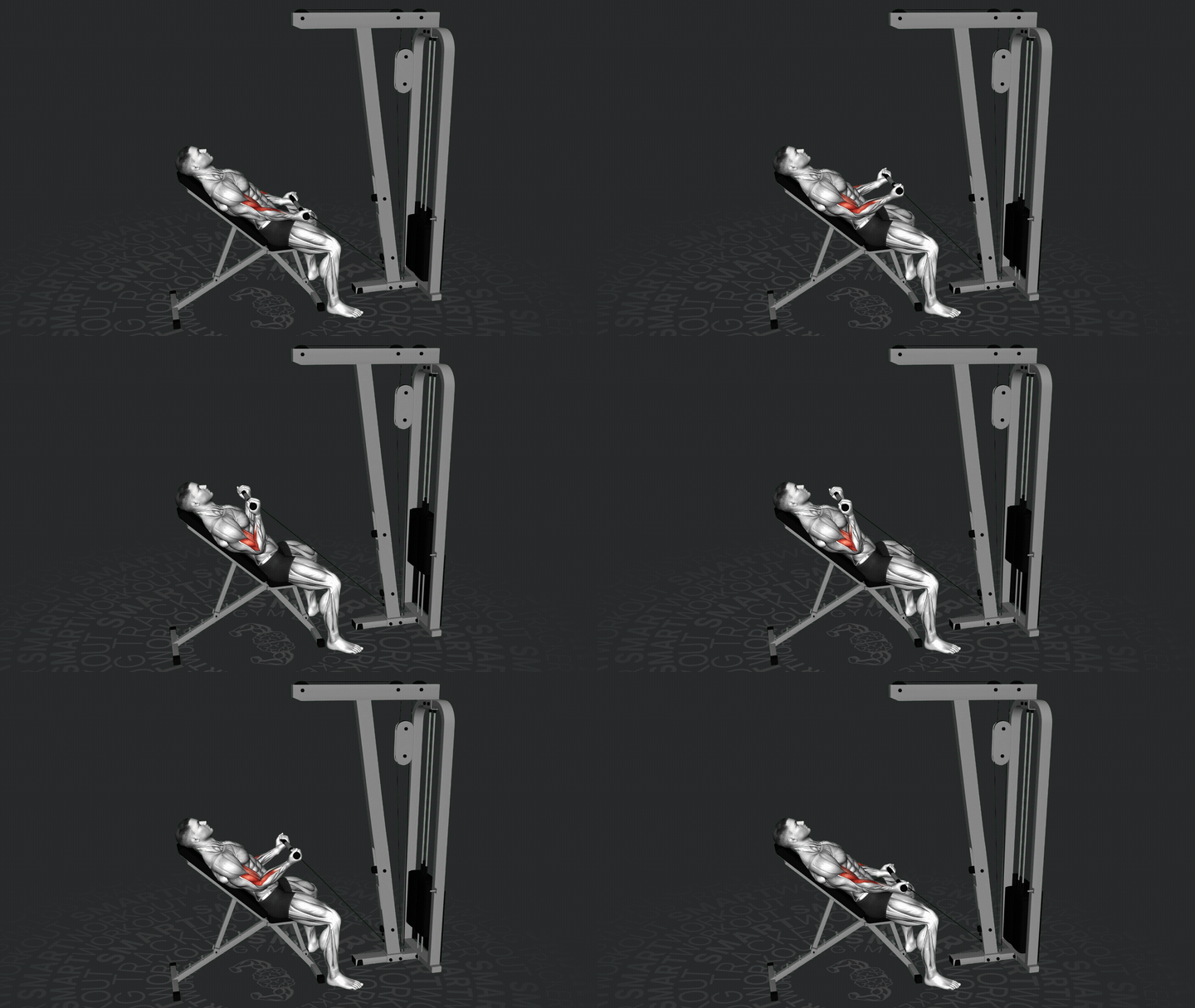
The Bayesian Cable Curl Seated is an isolation exercise targeting the biceps brachii. It utilizes a cable machine to maintain constant tension throughout the movement, enhancing muscle engagement and growth. Performing this exercise seated helps stabilize the body, allowing for better focus on the biceps.
exercise_detail.how_to_perform
- Set the cable machine to a low pulley position and attach a straight or EZ-curl bar.
- Sit on a bench facing away from the cable machine, ensuring your back is straight and feet are flat on the floor.
- Grasp the bar with an underhand grip, hands shoulder-width apart.
- Start with your arms fully extended, feeling a slight stretch in your biceps.
- Curl the bar towards your shoulders by flexing your elbows, keeping your upper arms stationary.
- Squeeze your biceps at the top of the movement for maximum contraction.
- Slowly lower the bar back to the starting position, maintaining control throughout.
- Repeat for the desired number of repetitions.
exercise_detail.what_muscles_work
exercise_detail.primary_muscle:
exercise_detail.secondary_muscles:
exercise_detail.tips
- Keep your elbows close to your sides to maximize bicep engagement.
- Avoid swinging or using momentum; focus on controlled movements.
- Maintain a neutral wrist position to prevent strain and ensure effective targeting of the biceps.
- Exhale as you curl the weight up and inhale as you lower it back down.
- Adjust the bench height if necessary to ensure proper alignment and comfort during the exercise.
exercise_detail.common_mistakes
- Leaning too far back, reducing tension on the biceps.
- Allowing elbows to drift forward, shifting focus away from the biceps.
- Using momentum by swinging the torso instead of controlled curls.
- Failing to fully extend the arms, limiting range of motion.
- Curling the wrists instead of keeping them neutral, reducing biceps engagement.
- Gripping the handle too tightly, causing forearm fatigue.
- Not maintaining a stable seated position, leading to loss of control.
- Pulling with the shoulders instead of isolating the biceps.
- Rushing through reps without proper muscle contraction.
exercise_detail.recommended_exercises
exercise_detail.recommended_exercises_intro
exercise_detail.app_ad.title
exercise_detail.app_ad.description