Smith Shoulder Press
enums.exercise_tag.STRENGTHenums.exercise_tag.PUSH
exercise_detail.body_part: enums.body_part.SHOULDERS
exercise_detail.description
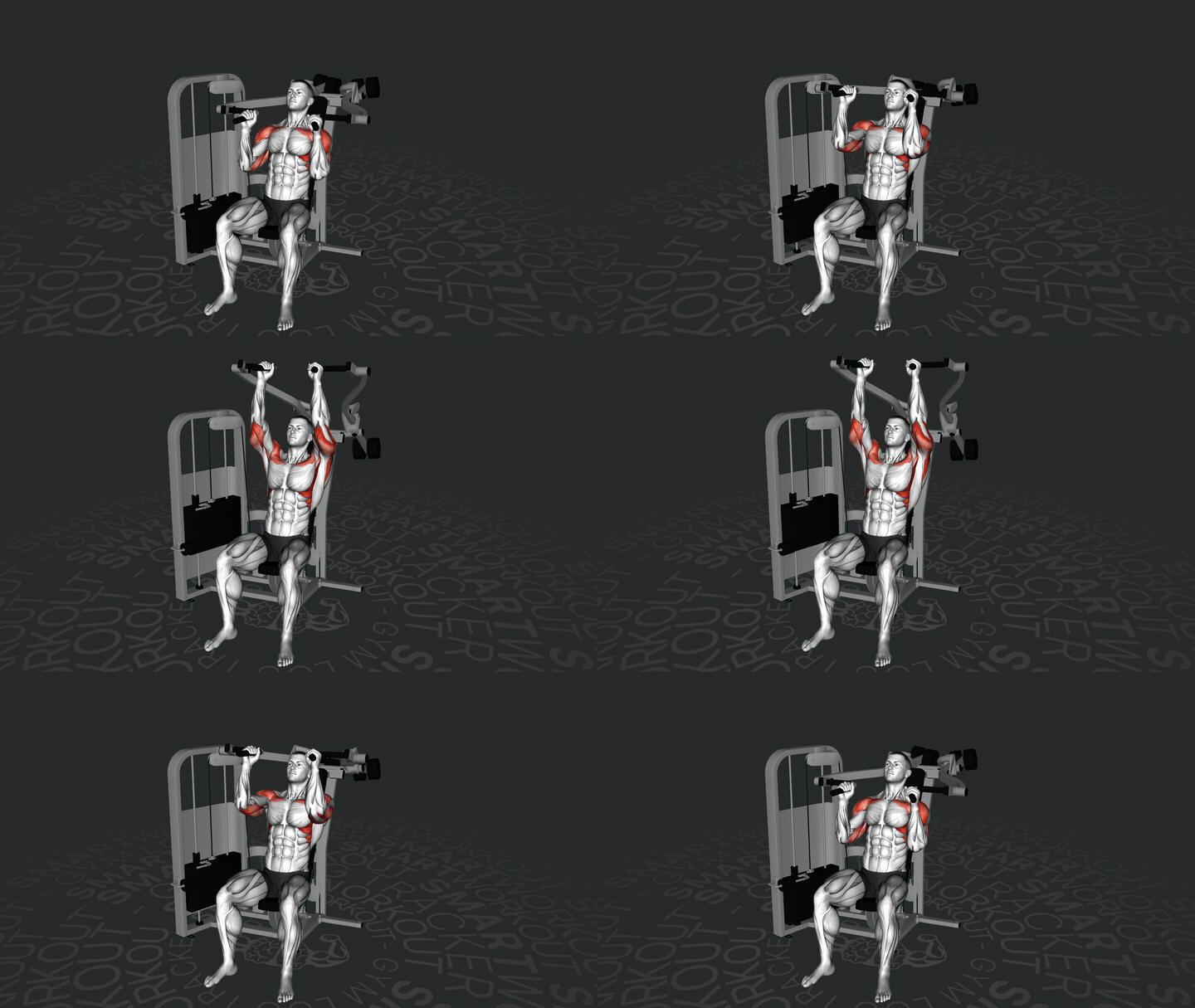
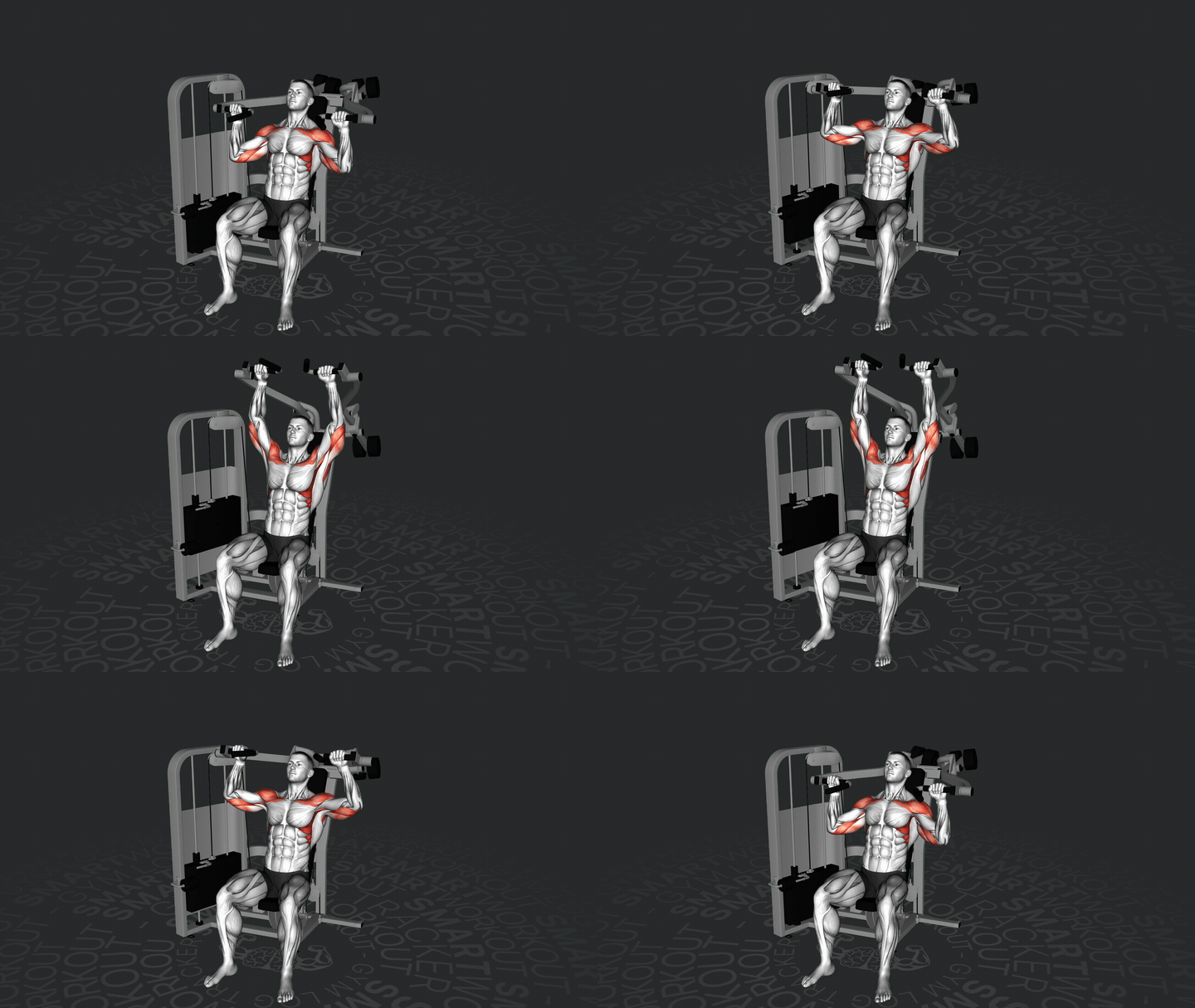
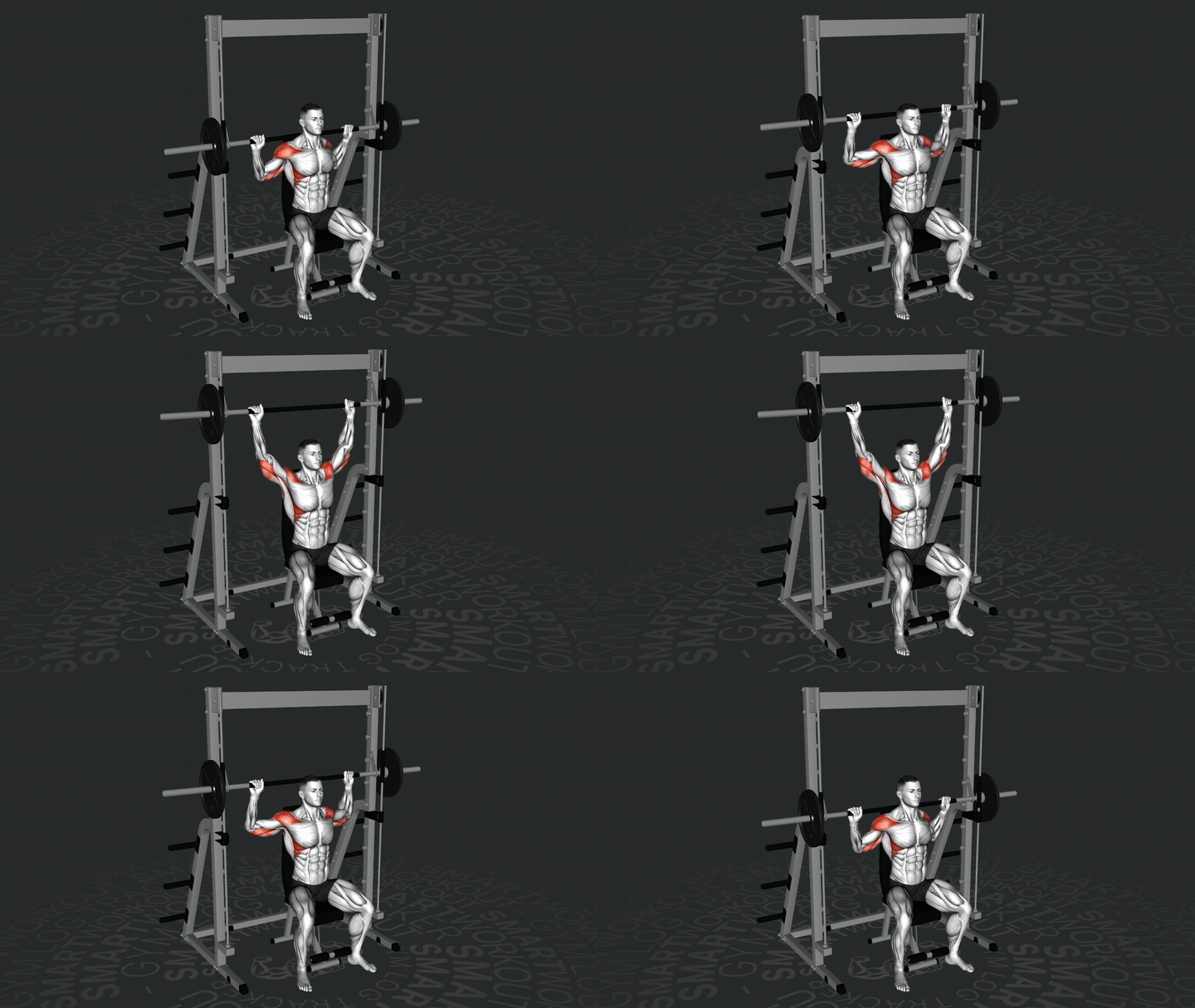
The Smith Seated Shoulder Press is a compound exercise targeting the deltoid muscles, particularly the anterior and lateral heads. It also engages the triceps and upper chest. This exercise is performed using a Smith machine, which provides stability and allows for a controlled range of motion.
exercise_detail.how_to_perform
- Adjust the bench to an upright position and set it under the Smith machine bar.
- Sit on the bench with your back firmly against the pad and feet flat on the floor.
- Grip the bar slightly wider than shoulder-width apart with an overhand grip.
- Unrack the bar by rotating it forward and position it just above your upper chest.
- Inhale and press the bar upward until your arms are fully extended but not locked out.
- Exhale as you lower the bar back to the starting position, just above your upper chest.
- Repeat for the desired number of repetitions.
exercise_detail.what_muscles_work
exercise_detail.primary_muscle:
exercise_detail.secondary_muscles:
exercise_detail.tips
- Ensure your back remains pressed against the bench throughout the movement to prevent arching.
- Keep your core engaged to maintain stability and support during the press.
- Focus on a slow, controlled motion to maximize muscle engagement and reduce injury risk.
- Avoid locking out your elbows at the top of the movement to maintain tension on the muscles.
- Adjust the bench height so that when seated, your eyes are level with the bar before unracking it.
- Warm up properly before performing heavy sets to prepare your shoulders for exertion.
exercise_detail.common_mistakes
- Setting the bench at an incorrect angle, leading to improper shoulder alignment.
- Positioning the bar too far forward or backward, causing strain on the shoulders.
- Using a grip that's too wide or too narrow, affecting shoulder and tricep engagement.
- Lowering the bar too far down, risking shoulder impingement.
- Not maintaining a stable core, resulting in lower back arching.
- Allowing the elbows to flare out excessively, increasing shoulder stress.
- Using momentum to push the bar up instead of controlled muscle contraction.
- Failing to keep the wrists straight, leading to unnecessary wrist strain.
- Neglecting to engage the scapulae, reducing shoulder stability.
- Not adjusting the safety stops, increasing the risk of being trapped under the bar.
exercise_detail.recommended_exercises
exercise_detail.recommended_exercises_intro
exercise_detail.app_ad.title
exercise_detail.app_ad.description