Smith Seated Behind Neck Press
enums.exercise_tag.STRENGTHenums.exercise_tag.PUSH
exercise_detail.body_part: enums.body_part.SHOULDERS
exercise_detail.description
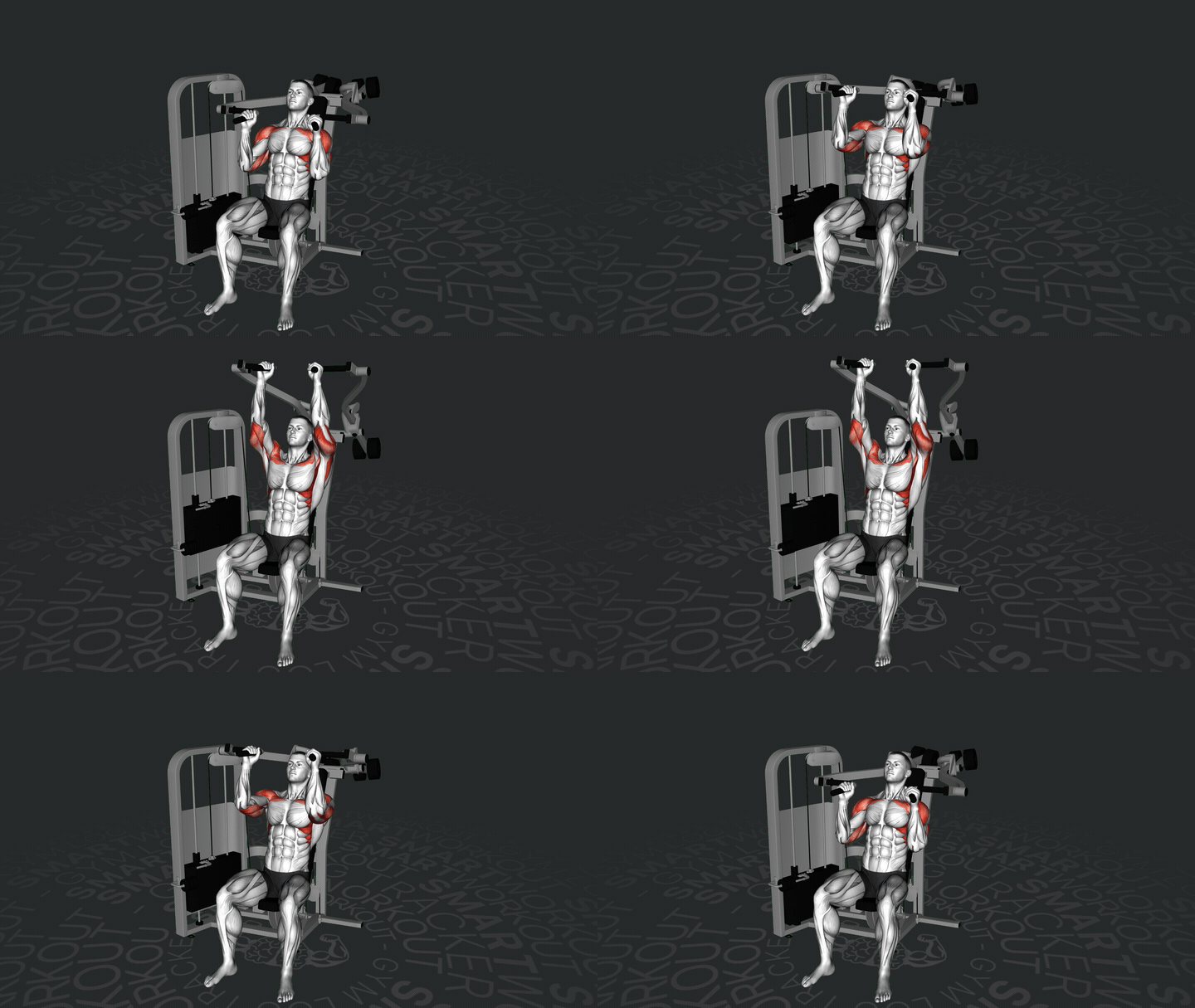
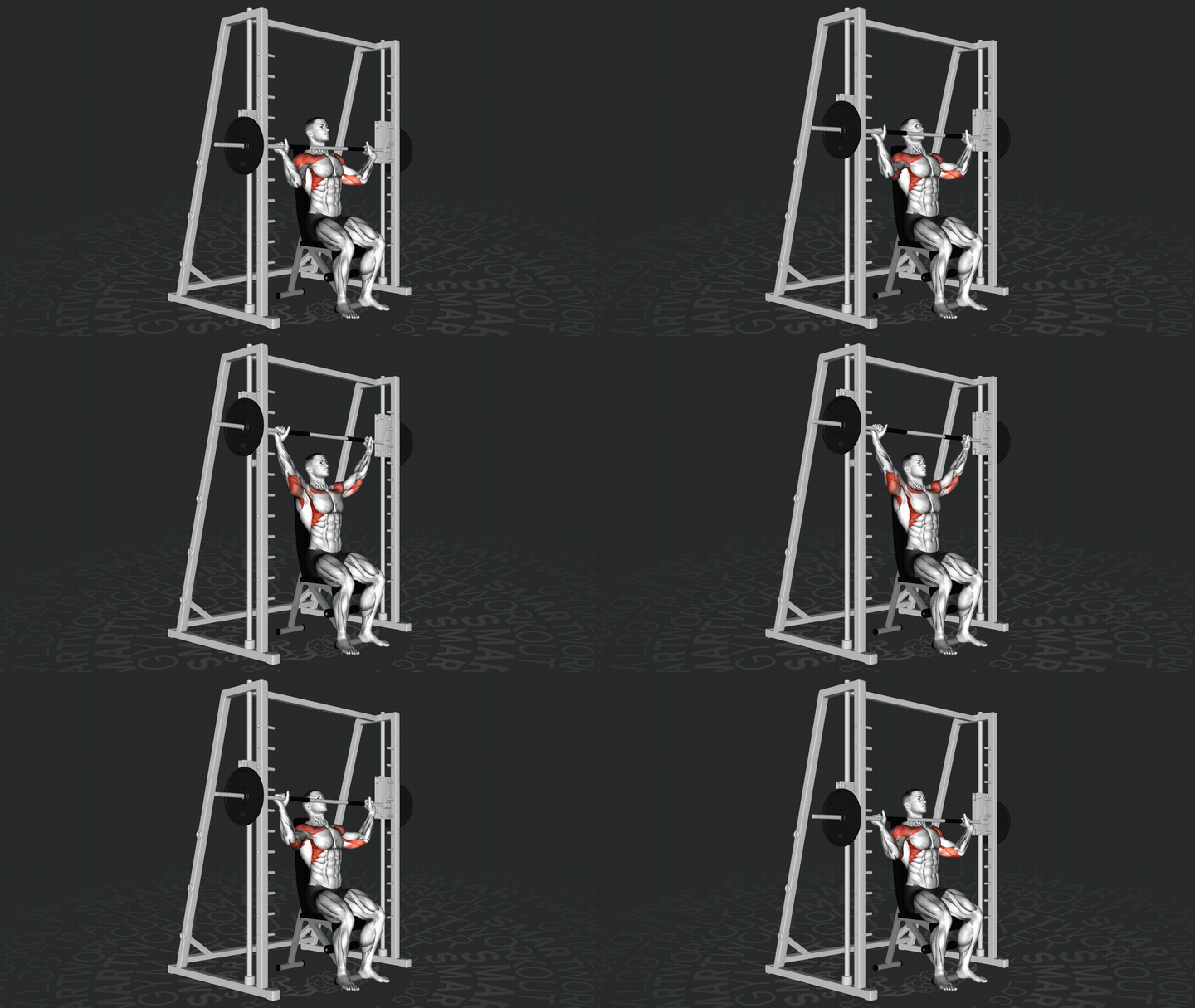
The Smith Seated Behind Neck Press is a shoulder exercise performed using a Smith machine. It targets the deltoid muscles, particularly the posterior and lateral heads, as well as engaging the triceps and upper back muscles. This exercise provides a controlled movement path, reducing the need for stabilization and allowing for focused muscle engagement.
exercise_detail.how_to_perform
- Adjust the seat height of the Smith machine so that the barbell is at shoulder level when seated.
- Sit on the bench with your back straight and feet flat on the floor.
- Grip the barbell slightly wider than shoulder-width with your palms facing forward.
- Unrack the bar by pushing it up slightly and moving it forward to clear the hooks.
- Lower the bar slowly behind your head until it is just above your shoulders.
- Press the bar back up to the starting position, fully extending your arms but avoiding locking your elbows.
- Repeat for the desired number of repetitions.
exercise_detail.what_muscles_work
exercise_detail.primary_muscle:
exercise_detail.secondary_muscles:
exercise_detail.tips
- Ensure your back remains straight and pressed against the bench throughout the movement to prevent injury.
- Keep your core engaged to maintain stability and support your lower back.
- Avoid lowering the bar too far down to prevent shoulder strain; stop when your elbows are at about a 90-degree angle.
- Use a controlled tempo both when lowering and pressing the bar to maximize muscle engagement.
- Start with a lighter weight to focus on proper form before increasing resistance.
- Breathe in as you lower the bar and exhale as you press it back up.
exercise_detail.common_mistakes
- Bringing the bar too low behind the neck, increasing shoulder strain.
- Using a grip that is too wide, reducing control and engagement.
- Failing to keep the elbows under the wrists, leading to instability.
- Leaning too far forward, which can compromise lower back safety.
- Not engaging the core, resulting in poor posture and support.
- Allowing the head to jut forward, causing neck strain.
- Using momentum to lift the weight, reducing muscle activation.
- Not maintaining a controlled descent, increasing risk of injury.
- Locking out the elbows at the top, which can stress the joints.
- Neglecting to adjust the seat height, affecting shoulder alignment.
exercise_detail.recommended_exercises
exercise_detail.recommended_exercises_intro
exercise_detail.app_ad.title
exercise_detail.app_ad.description