Diamond Push-Up
enums.exercise_tag.STRENGTHenums.exercise_tag.PUSH
exercise_detail.body_part: enums.body_part.TRICEPS
exercise_detail.description
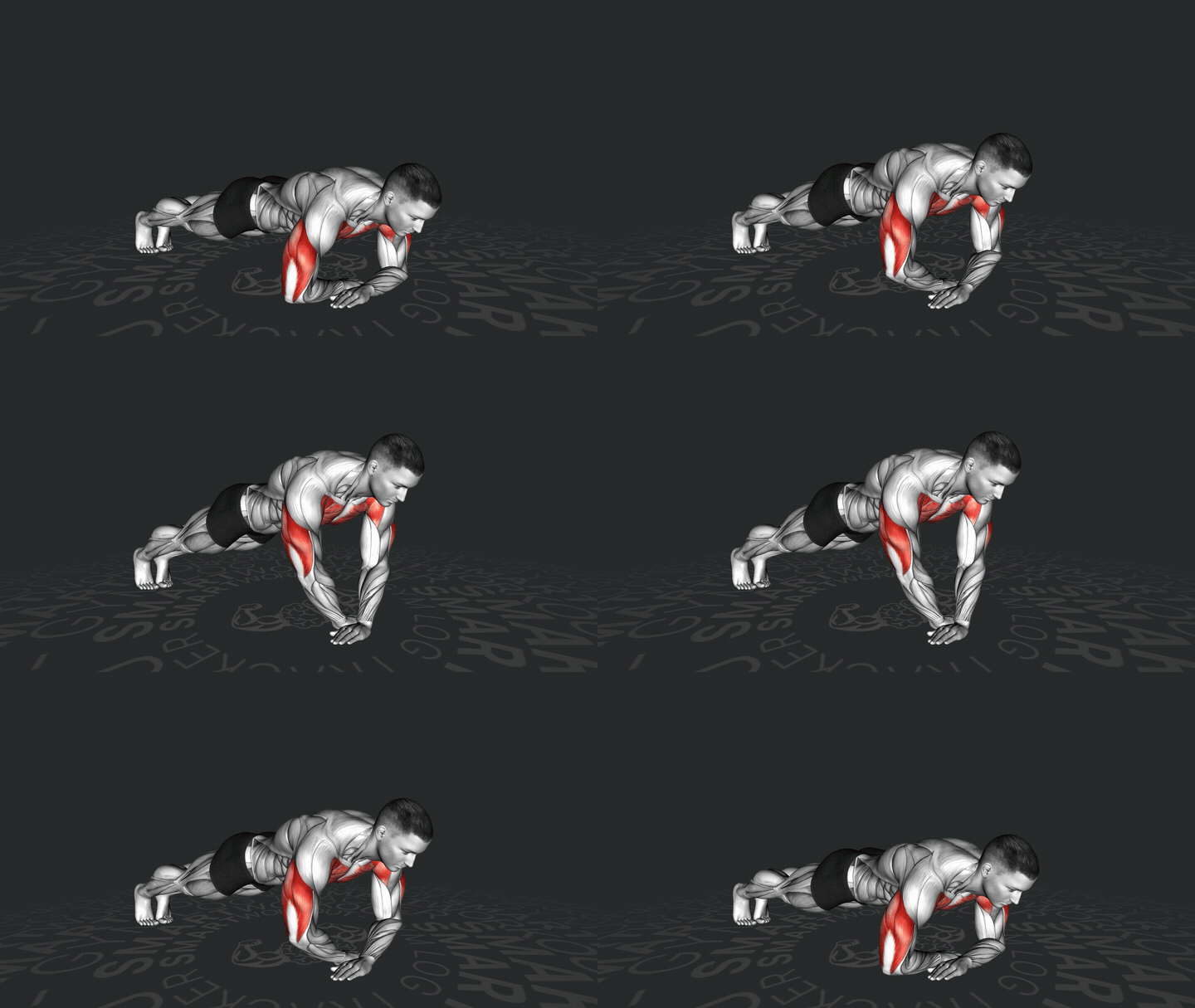
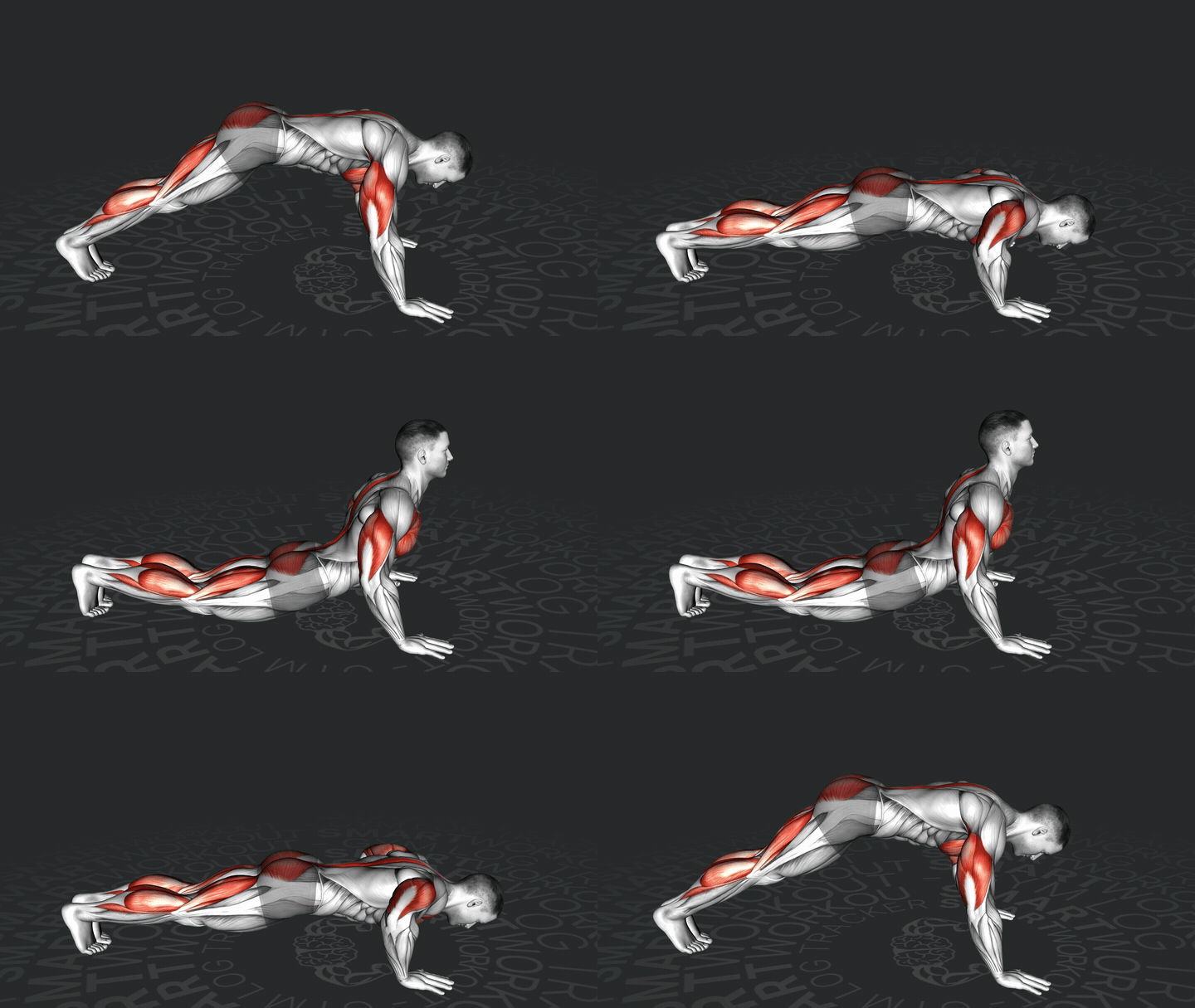
Diamond Push Ups are a bodyweight exercise targeting the triceps, chest, and shoulders. This variation of the standard push-up involves placing the hands close together under the chest, forming a diamond shape with the thumbs and index fingers. This position increases the activation of the triceps compared to regular push-ups.
exercise_detail.how_to_perform
- Start in a plank position with your body in a straight line from head to heels.
- Place your hands directly under your chest, forming a diamond shape with your thumbs and index fingers touching.
- Keep your elbows close to your body as you lower your chest towards your hands by bending your elbows.
- Lower yourself until your chest nearly touches the back of your hands.
- Push through your palms to extend your elbows and return to the starting position.
- Maintain a tight core and avoid sagging or arching your back throughout the movement.
exercise_detail.what_muscles_work
exercise_detail.primary_muscle:
exercise_detail.secondary_muscles:
exercise_detail.tips
- Ensure that your hands are positioned correctly to maximize triceps engagement.
- Keep your core engaged to maintain proper body alignment.
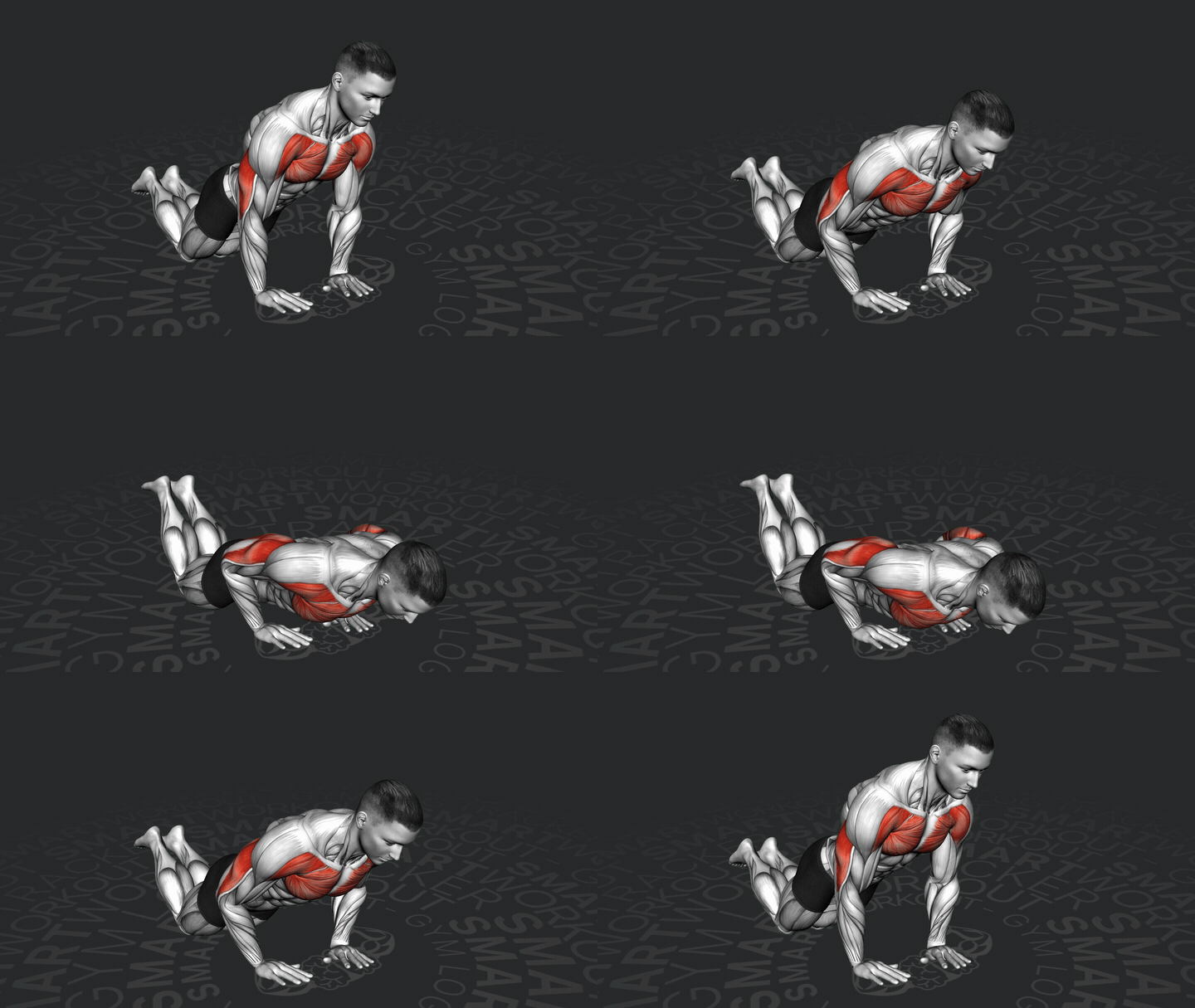
- If you're new to this exercise, start on your knees to build strength before progressing to full push-ups.
- Focus on a slow and controlled movement to increase muscle activation.
- Breathe in as you lower yourself and exhale as you push back up.
- Avoid flaring your elbows out to the sides; keep them close to your body.
exercise_detail.common_mistakes
- Hands placed too far apart, reducing tricep engagement.
- Elbows flaring out excessively, increasing shoulder strain.
- Hips sagging or rising, compromising core stability.
- Inadequate range of motion, limiting muscle activation.
- Rushing through reps, decreasing control and effectiveness.
- Neck craning forward, leading to poor spinal alignment.
- Shoulders shrugging up, reducing scapular stability.
- Failing to keep the body in a straight line, affecting posture.
- Hands positioned too close to the chest, causing wrist discomfort.
exercise_detail.recommended_exercises
exercise_detail.recommended_exercises_intro
exercise_detail.app_ad.title
exercise_detail.app_ad.description