One-Arm Katana Triceps Overhead Extension
enums.exercise_tag.STRENGTHenums.exercise_tag.PUSH
exercise_detail.body_part: enums.body_part.TRICEPS
exercise_detail.description
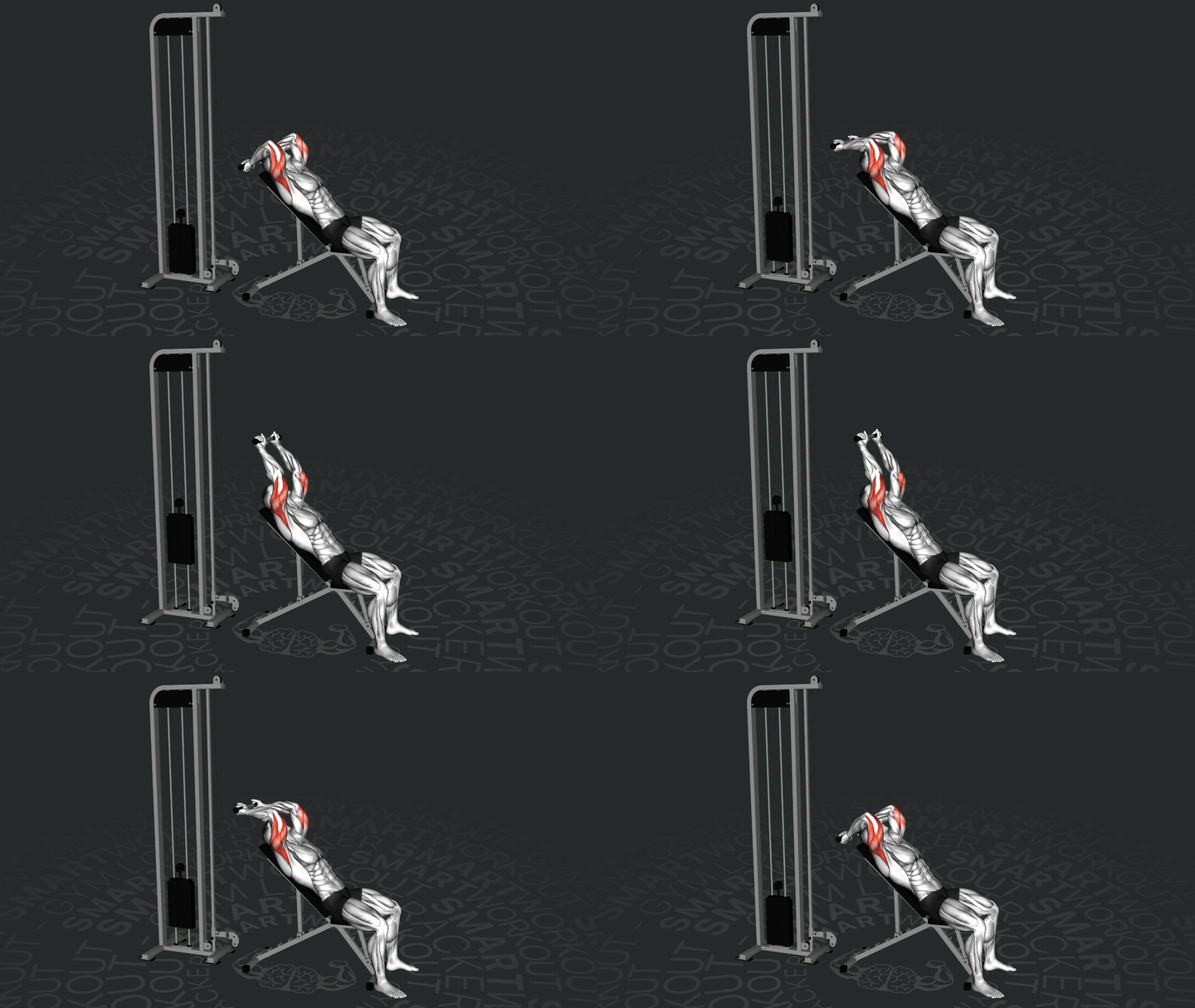
The Katana Single Arm Triceps Overhead Extension is an isolation exercise targeting the triceps brachii. It involves extending the arm overhead while holding a dumbbell, focusing on the long head of the triceps. This exercise helps in building strength and definition in the upper arm.
exercise_detail.how_to_perform
- Stand with your feet shoulder-width apart, holding a dumbbell in one hand.
- Raise the dumbbell above your head, fully extending your arm.
- Keep your elbow close to your head and your palm facing forward.
- Slowly lower the dumbbell behind your head by bending your elbow.
- Pause briefly when you feel a stretch in your triceps.
- Extend your arm back to the starting position by contracting your triceps.
- Repeat for the desired number of repetitions before switching arms.
exercise_detail.what_muscles_work
exercise_detail.primary_muscle:
exercise_detail.tips
- Maintain a neutral spine and keep your core engaged throughout the exercise.
- Avoid flaring your elbow outward; keep it close to your head for better isolation of the triceps.
- Control the movement to avoid using momentum; focus on slow and deliberate motions.
- Start with a lighter weight to master form before progressing to heavier loads.
- Breathe out as you extend your arm and inhale as you lower the dumbbell.
exercise_detail.common_mistakes
- Allowing the elbow to flare outwards, reducing triceps engagement.
- Using momentum to swing the weight, compromising control and effectiveness.
- Failing to fully extend the arm at the top, limiting range of motion.
- Arching the lower back excessively, risking strain.
- Gripping the weight too tightly, causing forearm fatigue.
- Not keeping the core engaged, leading to instability.
- Dropping the shoulder, affecting alignment and muscle activation.
- Rushing through the movement, decreasing time under tension.
exercise_detail.recommended_exercises
exercise_detail.recommended_exercises_intro
exercise_detail.app_ad.title
exercise_detail.app_ad.description