Band Kneeling Twisting Crunch
CoreFunctional
Track Band Kneeling Twisting Crunch in SmartWorkout and watch your numbers go up
Log sets, weights and progress for free, with no workout limits.


Body Part: Abs
Description
The Band Kneeling Twisting Crunch is a core exercise that targets the obliques and abdominal muscles. It involves using a resistance band to add tension, enhancing muscle engagement during the twisting motion. This exercise is performed in a kneeling position, which helps stabilize the lower body while focusing on the rotational movement of the torso.
How to Perform
- Attach a resistance band to a stable anchor point at shoulder height.
- Kneel on the floor with your side facing the anchor point, holding the band with both hands.
- Engage your core and keep your back straight.
- Twist your torso away from the anchor point, pulling the band across your body.
- Pause briefly at the end of the twist, ensuring maximum contraction of the obliques.
- Slowly return to the starting position with control.
- Complete the desired number of repetitions before switching sides.
What Muscles Work
Primary Muscle:
Tips
- Ensure the resistance band is securely attached to prevent it from snapping back.
- Focus on using your core muscles to twist, rather than relying on arm strength.
- Maintain a steady breathing pattern, exhaling as you twist and inhaling as you return.
- Keep your hips stable and avoid excessive movement in the lower body.
- Start with a lighter resistance band if you're new to this exercise to master the form before increasing tension.
- Perform this exercise slowly to maximize muscle engagement and control.
Common Mistakes
- Failing to keep the core engaged throughout the movement, leading to ineffective muscle activation.
- Allowing the lower back to arch excessively, putting undue stress on the spine.
- Using momentum instead of controlled movement, reducing the exercise's effectiveness.
- Not aligning the hips and shoulders properly, causing uneven muscle engagement.
- Twisting the torso too far, which can strain the lower back and obliques.
- Neglecting to maintain a stable kneeling position, resulting in loss of balance.
- Incorrect band tension, either too loose or too tight, affecting resistance levels.
- Letting the head and neck lead the movement, causing strain and reducing core activation.
Recommended Exercises
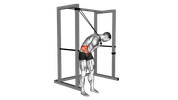
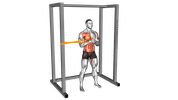
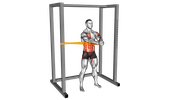
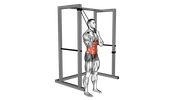
Explore exercises related to Band Kneeling Twisting Crunch for abs training and similar movement patterns.


Choose a workout plan or create your own - for free
Ready-made plans for every goal, a free plan creator, hundreds of exercises and an advanced workout journal - all in SmartWorkout.