Dragon Flag
StrengthCoreIsometric
Track this exercise in SmartWorkout
Log sets, weights and progress for free, with no workout limits.


Body Part: Abs
Description
The Dragon Flag is an advanced core exercise that primarily targets the rectus abdominis, obliques, and hip flexors. It requires significant strength and control, as it involves maintaining a straight body position while lowering and raising the legs from a supine position. This exercise also engages the lats, shoulders, and glutes for stabilization.
How to Perform
- Lie flat on a bench or the floor with your head near the edge. Grip the sides of the bench or anchor your hands behind your head for support.
- Engage your core and lift your legs and hips off the bench, keeping your body straight from shoulders to toes.
- Maintain a rigid body position as you slowly lower your legs towards the bench without letting your back arch.
- Pause just above the bench, then raise your legs back to the starting position using controlled movements.
- Repeat for the desired number of repetitions while maintaining form.
What Muscles Work
Primary Muscle:
Secondary Muscles:
Tips
- Focus on keeping your body as straight as possible to maximize core engagement.
- Control is key; perform each repetition slowly to avoid using momentum.
- Keep your shoulders pressed into the bench to stabilize your upper body.
- If you're new to this exercise, start with partial range of motion and gradually increase as you build strength.
- Engage your glutes and lats to help maintain a stable position throughout the movement.
Common Mistakes
- Allowing the lower back to arch off the bench, reducing core engagement.
- Leading with the legs instead of lifting the hips and torso as a unit.
- Dropping the hips too quickly, losing control and stability.
- Failing to maintain a straight line from shoulders to feet, causing sagging.
- Using momentum instead of controlled muscle contraction to lift and lower.
- Not engaging the lats and shoulders to stabilize the upper body.
- Starting with too much range of motion, leading to poor form.
- Holding the breath, which can increase tension and reduce endurance.
- Positioning the hands too close together, limiting stability and support.
Recommended Exercises
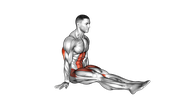
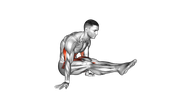
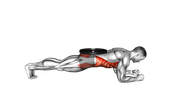
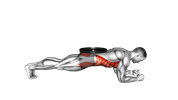
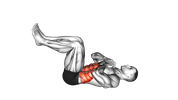
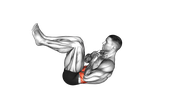
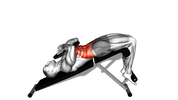
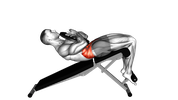
Explore exercises related to Dragon Flag for abs training and similar movement patterns.
Choose a workout plan or create your own - for free
Ready-made plans for every goal, a free plan creator, hundreds of exercises and an advanced workout journal - all in SmartWorkout.