Suspension V-Ups
Track Suspension V-Ups in SmartWorkout and watch your numbers go up
Log sets, weights and progress for free, with no workout limits.


Description
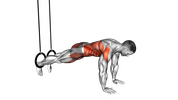
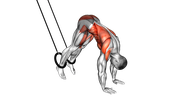
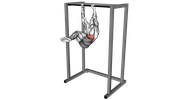
Suspension V-Ups are an advanced core exercise that combines the benefits of suspension training with the dynamic movement of a V-up. This exercise targets the rectus abdominis, obliques, and hip flexors, while also engaging the stabilizing muscles of the shoulders and back. It requires a suspension trainer, such as TRX, and is performed by lifting both the upper and lower body simultaneously in a controlled manner.
How to Perform
- Attach the suspension trainer securely overhead and adjust the straps to mid-calf length.
- Lie on your back with your heels in the foot cradles of the suspension trainer, arms extended overhead.
- Engage your core and lift your legs and torso simultaneously to form a 'V' shape, reaching your hands towards your feet.
- Pause briefly at the top of the movement, ensuring your body forms a straight line from hands to feet.
- Lower your body back to the starting position in a controlled manner.
- Repeat for the desired number of repetitions.
What Muscles Work
Primary Muscle:
Secondary Muscles:
Tips
- Maintain a strong core throughout the exercise to prevent lower back strain.
- Focus on controlled movements rather than speed to maximize muscle engagement.
- Keep your legs straight and avoid bending at the knees for optimal effectiveness.
- Exhale as you lift into the V position and inhale as you return to start.
- Ensure that the suspension trainer is securely anchored before beginning.
- If you're new to this exercise, start with fewer repetitions and gradually increase as you build strength.
Common Mistakes
- Starting with the straps too low, reducing the range of motion and effectiveness.
- Allowing the hips to sag, leading to poor core engagement and increased lower back strain.
- Swinging the legs instead of lifting them in a controlled manner, reducing core activation.
- Failing to maintain a neutral spine, which can lead to unnecessary stress on the back.
- Not keeping the shoulders stable, causing excessive movement and potential shoulder strain.
- Using momentum to lift the legs instead of relying on core strength, diminishing workout quality.
- Positioning the feet too far forward or backward, affecting balance and exercise efficiency.
- Neglecting to engage the glutes and hamstrings, which are crucial for stability in this exercise.
Recommended Exercises
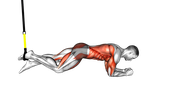
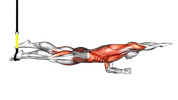
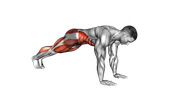
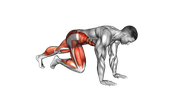
Explore exercises related to Suspension V-Ups for abs training and similar movement patterns.
Choose a workout plan or create your own - for free
Ready-made plans for every goal, a free plan creator, hundreds of exercises and an advanced workout journal - all in SmartWorkout.