Assisted Pull-Up
enums.exercise_tag.STRENGTHenums.exercise_tag.PULL
exercise_detail.body_part: enums.body_part.BACK
exercise_detail.description
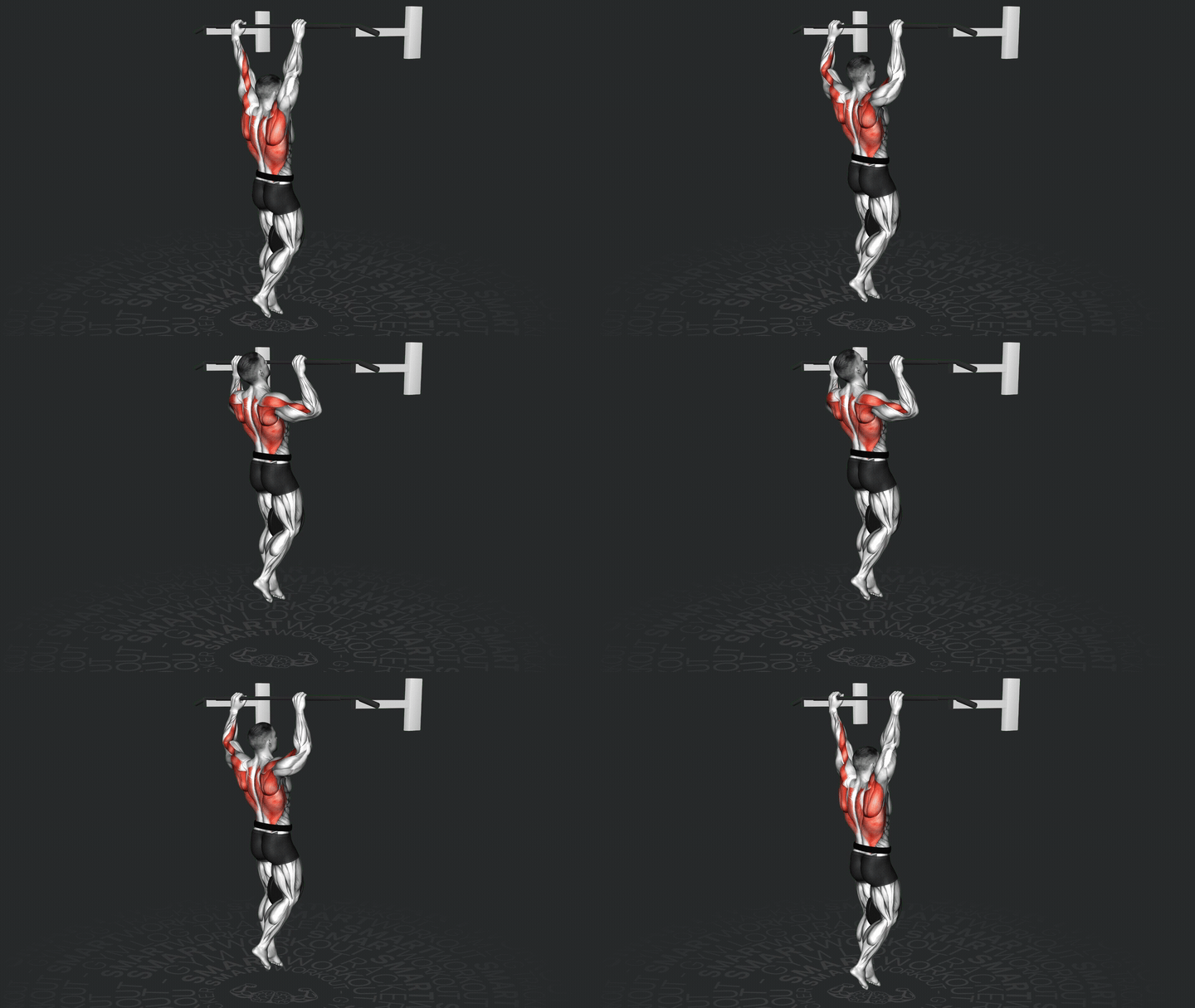
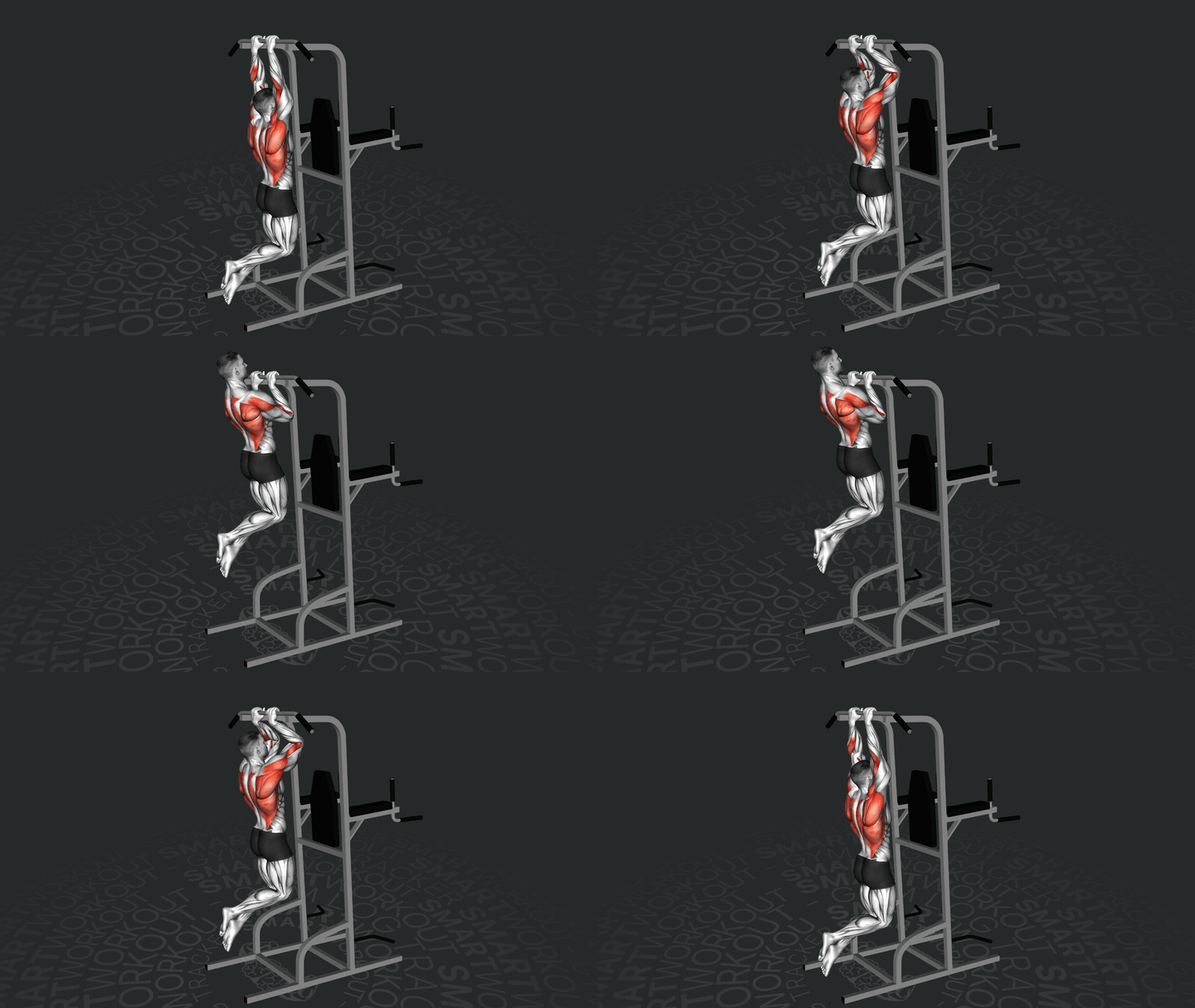
The Assisted Pull-Up is a strength training exercise that targets the muscles of the back, shoulders, and arms. It is performed using a machine that provides counterbalance weight to assist in lifting your body, making it suitable for those who are building strength to perform unassisted pull-ups. This exercise primarily engages the latissimus dorsi, biceps, and trapezius muscles.
exercise_detail.how_to_perform
- Adjust the weight on the assisted pull-up machine to provide the necessary support.
- Stand on the platform or kneel on the pad, depending on the machine design.
- Grasp the pull-up handles with an overhand grip, slightly wider than shoulder-width apart.
- Engage your core and keep your body straight as you begin the movement.
- Pull yourself upward by driving your elbows down and back until your chin is above the bar.
- Pause briefly at the top of the movement, ensuring full contraction of the back muscles.
- Slowly lower yourself back to the starting position with control.
- Repeat for the desired number of repetitions.
exercise_detail.what_muscles_work
exercise_detail.primary_muscle:
exercise_detail.secondary_muscles:
exercise_detail.tips
- Ensure that your grip is firm but relaxed to prevent unnecessary tension in your forearms.
- Focus on engaging your back muscles rather than pulling with your arms.
- Maintain a steady and controlled movement throughout each repetition to maximize muscle engagement.
- Avoid swinging or using momentum to complete the pull-up; control is key.
- Adjust the assistance weight as you gain strength to gradually reduce dependency on the machine.
- Keep your shoulders down and away from your ears to prevent strain and promote proper form.
- Breathe out as you pull up and inhale as you lower yourself back down.
exercise_detail.common_mistakes
- Using too much assistance, reducing muscle engagement and effectiveness.
- Allowing the body to swing, leading to momentum-based movement instead of muscle activation.
- Not fully extending the arms at the bottom, limiting range of motion and muscle activation.
- Pulling with the arms instead of engaging the back muscles, reducing back development.
- Shrugging shoulders up towards ears, causing tension in the neck and shoulders.
- Leaning back excessively, altering movement pattern and reducing effectiveness.
- Not maintaining a stable core, leading to poor body alignment and control.
- Gripping the bar incorrectly, causing wrist strain and reducing pulling efficiency.
- Rushing through the movement, sacrificing control and form.
- Failing to engage the scapulae, limiting back muscle activation and strength gains.
exercise_detail.recommended_exercises
exercise_detail.recommended_exercises_intro
exercise_detail.app_ad.title
exercise_detail.app_ad.description