Biceps Barbell Curl
enums.exercise_tag.STRENGTHenums.exercise_tag.PULL
exercise_detail.body_part: enums.body_part.BICEPS
exercise_detail.description
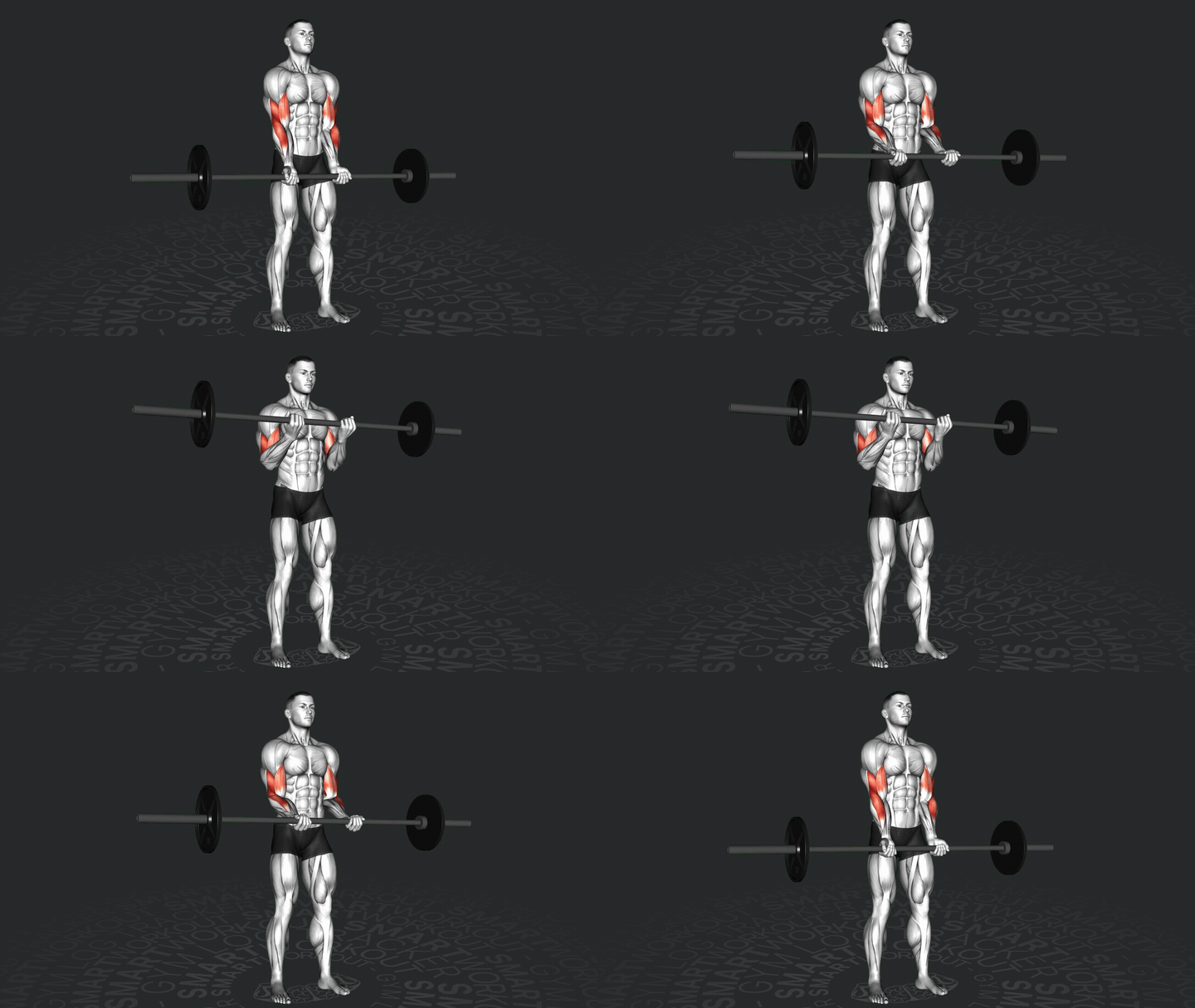
The Biceps Barbell Curl is a fundamental exercise targeting the biceps brachii muscles. It involves lifting a barbell in a controlled manner to effectively engage and develop the biceps, enhancing arm strength and size.
exercise_detail.how_to_perform
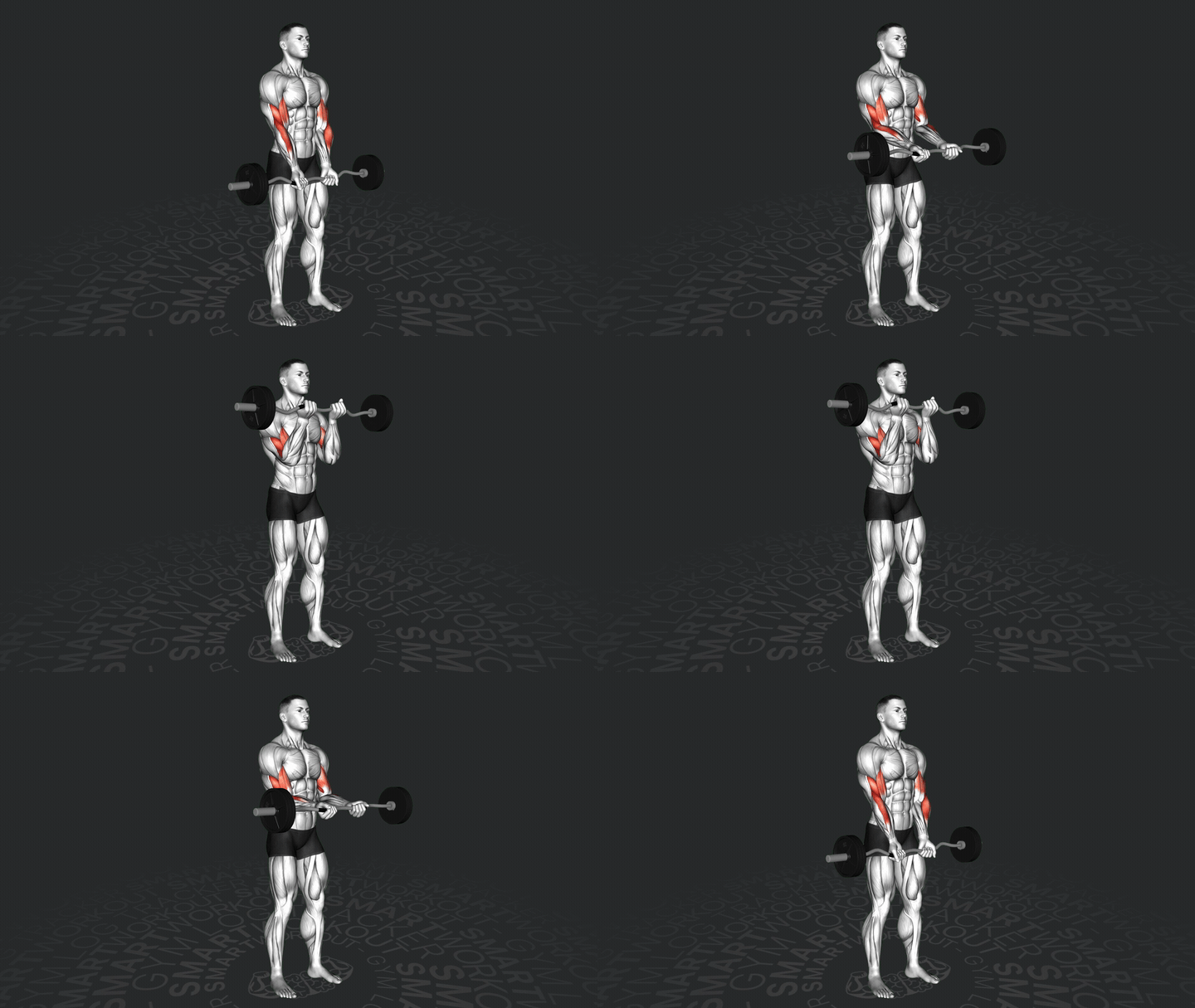
- Stand up straight with your feet shoulder-width apart, holding a barbell with an underhand grip.
- Keep your elbows close to your torso and your back straight.
- Exhale as you curl the barbell upwards by bending your elbows, keeping them stationary.
- Continue lifting until your biceps are fully contracted and the bar is at shoulder level.
- Hold the contracted position for a brief moment while squeezing your biceps.
- Inhale as you slowly lower the barbell back to the starting position, fully extending your arms.
exercise_detail.what_muscles_work
exercise_detail.primary_muscle:
exercise_detail.secondary_muscles:
exercise_detail.tips
- Use a weight that allows you to perform the exercise with proper form without swinging or using momentum.
- Focus on keeping your elbows stationary to maximize bicep engagement.
- Maintain a controlled tempo throughout the movement to enhance muscle activation.
- Avoid locking your elbows at the bottom of the movement to keep tension on the biceps.
- Keep your core engaged and avoid leaning back as you lift the barbell.
exercise_detail.common_mistakes
- Using momentum by swinging the body, reducing bicep engagement.
- Allowing elbows to flare out, shifting focus away from the biceps.
- Curling the bar too high, causing shoulder involvement.
- Not fully extending the arms, limiting range of motion.
- Gripping the bar too wide or too narrow, affecting form and muscle activation.
- Bending the wrists, leading to strain and reduced bicep focus.
- Leaning backward excessively, increasing lower back strain.
- Rushing the movement, compromising control and muscle tension.
- Failing to keep the core engaged, leading to instability.
exercise_detail.recommended_exercises
exercise_detail.recommended_exercises_intro
exercise_detail.app_ad.title
exercise_detail.app_ad.description