Punching Bag Boxing
CardioFunctionalExplosive
Track Punching Bag Boxing in SmartWorkout and watch your numbers go up
Log sets, weights and progress for free, with no workout limits.


Body Part: Chest
Description
Punching Bag Boxing is a cardiovascular and strength training exercise that involves striking a heavy bag with various punches. This exercise improves hand-eye coordination, builds upper body strength, enhances cardiovascular endurance, and helps in stress relief. It engages muscles in the shoulders, arms, chest, and core.
How to Perform
- Stand in a boxing stance with your feet shoulder-width apart, dominant foot slightly back.
- Keep your knees slightly bent and weight balanced on the balls of your feet.
- Raise your hands to chin level, elbows close to your body, and fists clenched.
- Start with basic punches: jab with your lead hand, cross with your rear hand.
- Rotate your hips and shoulders for power while keeping your core engaged.
- Maintain a steady rhythm and breathe consistently throughout the exercise.
- Incorporate combinations of punches such as jab-cross, hook, and uppercut.
- Focus on accuracy and speed rather than just power.
What Muscles Work
Primary Muscle:
Secondary Muscles:
Tips
- Ensure your wrists are straight when making contact with the bag to avoid injury.
- Keep your movements fluid and controlled for better technique and efficiency.
- Warm up thoroughly before starting to prevent muscle strain or injury.
- Use wraps or gloves to protect your hands and wrists during the workout.
- Practice footwork alongside punching to improve agility and balance.
- Start slowly to focus on form before increasing speed or intensity.
- Stay relaxed; tension can reduce speed and increase fatigue.
- Regularly switch up combinations to keep the workout challenging and engaging.
Common Mistakes
- Standing too close to the bag, limiting punch extension and power.
- Leaning forward excessively, causing imbalance and reduced mobility.
- Failing to keep hands up, leaving the face unprotected.
- Punching with locked elbows, increasing joint strain.
- Neglecting to rotate hips and shoulders, reducing punch effectiveness.
- Overextending punches, risking shoulder strain.
- Not engaging core muscles, leading to poor stability.
- Dropping hands after punching, creating openings for counterattacks.
- Standing flat-footed, hindering quick movement and agility.
- Punching without proper wrist alignment, increasing risk of wrist injury.
- Ignoring breathing rhythm, leading to early fatigue.
Recommended Exercises
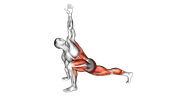
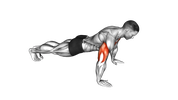
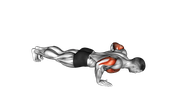
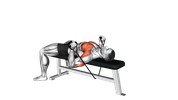
Explore exercises related to Punching Bag Boxing for chest training and similar movement patterns.






Choose a workout plan or create your own - for free
Ready-made plans for every goal, a free plan creator, hundreds of exercises and an advanced workout journal - all in SmartWorkout.