Hip Circles
Track Hip Circles in SmartWorkout and watch your numbers go up
Log sets, weights and progress for free, with no workout limits.


Description
Hip Circles are a dynamic warm-up exercise that targets the hip joints, improving flexibility and mobility. This exercise involves rotating the hips in a circular motion, which helps to loosen tight muscles and prepare the body for more intense physical activity. It is particularly beneficial for athletes and individuals engaging in lower body workouts.
How to Perform
- Stand with your feet shoulder-width apart and place your hands on your hips.
- Engage your core muscles to maintain balance and stability.
- Begin by slowly rotating your hips in a clockwise direction, making large circles.
- Complete 10-15 rotations, then switch to a counterclockwise direction for another 10-15 rotations.
- Keep your upper body stable and focus on moving only your hips.
What Muscles Work
Primary Muscle:
Secondary Muscles:
Tips
- Ensure your feet remain flat on the ground throughout the exercise to maintain stability.
- Focus on controlled movements; avoid rushing through the rotations.
- Keep your knees slightly bent to reduce pressure on the joints.
- Perform hip circles as part of your warm-up routine to enhance joint mobility before engaging in more strenuous exercises.
- If you experience any discomfort, reduce the size of the circles or slow down the movement.
Common Mistakes
- Rotating the hips too quickly, leading to a lack of control and poor muscle engagement.
- Allowing the torso to move excessively, reducing the focus on the hip joint.
- Keeping the legs too stiff, which limits the range of motion and effectiveness.
- Failing to engage the core muscles, resulting in an unstable movement.
- Not maintaining a stable base with the feet, causing balance issues.
- Overarching the lower back, increasing the risk of strain.
- Performing circles that are too large, leading to improper form and reduced control.
- Neglecting to keep the knees slightly bent, which can cause joint discomfort.
Recommended Exercises
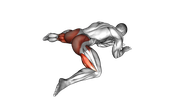
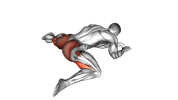
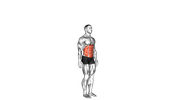
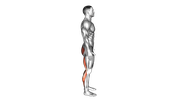
Explore exercises related to Hip Circles for legs training and similar movement patterns.








Choose a workout plan or create your own - for free
Ready-made plans for every goal, a free plan creator, hundreds of exercises and an advanced workout journal - all in SmartWorkout.


Start with a free plan. Keep progressing with SmartWorkout.
- users
- 200k+
- exercises with technique guides
- 1,000+
- workouts on the free plan
- ∞