Seated Forward Fold
StretchingMobilityWarm-up
Track Seated Forward Fold in SmartWorkout and watch your numbers go up
Log sets, weights and progress for free, with no workout limits.


Body Part: Legs
Description
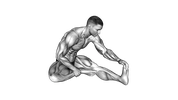
The Seated Forward Fold, also known as Paschimottanasana in yoga, is a seated stretch targeting the hamstrings, lower back, and spine. This exercise enhances flexibility, promotes relaxation, and can help improve posture by lengthening the spine and releasing tension in the back muscles.
How to Perform
- Sit on the floor with your legs extended straight in front of you.
- Flex your feet so that your toes point upwards and your heels press into the ground.
- Inhale deeply, lengthening your spine upwards.
- As you exhale, hinge at the hips to lean forward, keeping your back straight.
- Reach towards your feet with your hands, aiming to hold your feet or ankles. If this is difficult, place your hands on your shins or use a strap around your feet.
- Maintain a relaxed neck and gaze softly towards your legs.
- Hold the position for 20-30 seconds while breathing deeply.
- To release, inhale and gently lift your torso back to an upright position.
What Muscles Work
Primary Muscle:
Secondary Muscles:
Tips
- Keep your spine as straight as possible to avoid rounding the back.
- Focus on hinging at the hips rather than bending at the waist.
- Use a yoga strap if you cannot reach your feet comfortably.
- Engage your core muscles to support the lower back during the stretch.
- Breathe deeply to enhance relaxation and deepen the stretch over time.
- Avoid forcing yourself into the position; ease into it gradually to prevent injury.
Common Mistakes
- Rounding the lower back instead of hinging at the hips.
- Locking the knees, which can strain the joints and reduce flexibility.
- Pulling on the feet or legs to force a deeper stretch, risking muscle strain.
- Allowing the shoulders to hunch forward, disengaging the back muscles.
- Not engaging the core, leading to a lack of support and stability.
- Failing to breathe deeply, which can increase tension and reduce stretch effectiveness.
- Positioning the feet too far apart, reducing the intensity of the stretch.
- Bending the elbows excessively, which can compromise arm alignment and stretch depth.
Recommended Exercises
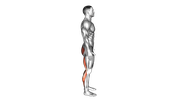
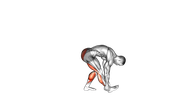
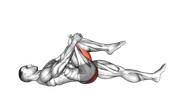
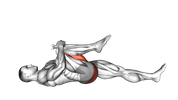
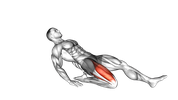
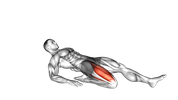
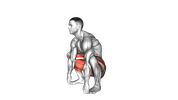
Explore exercises related to Seated Forward Fold for legs training and similar movement patterns.

Choose a workout plan or create your own - for free
Ready-made plans for every goal, a free plan creator, hundreds of exercises and an advanced workout journal - all in SmartWorkout.


Start with a free plan. Keep progressing with SmartWorkout.
- users
- 200k+
- exercises with technique guides
- 1,000+
- workouts on the free plan
- ∞