Capitan's Chair Straight Leg Raises
StrengthCore
Track Capitan's Chair Straight Leg Raises in SmartWorkout and watch your numbers go up
Log sets, weights and progress for free, with no workout limits.


Body Part: Abs
Description
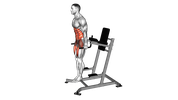
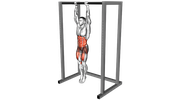
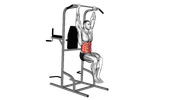
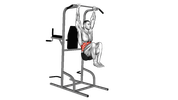
The Captain's Chair Straight Leg Raises is an effective core exercise targeting the rectus abdominis and hip flexors. It involves raising the legs while suspended in a Captain's Chair, which provides support for the back and arms, allowing for isolated abdominal engagement.
How to Perform
- Position yourself in the Captain's Chair with your back firmly against the pad and your forearms resting on the arm pads. Grip the handles for stability.
- Ensure your body is stable and your shoulders are relaxed. Your legs should hang straight down, with feet together.
- Engage your core by pulling your navel towards your spine.
- Slowly lift your legs straight up in front of you until they are parallel to the ground, keeping them together and straight.
- Pause briefly at the top of the movement, ensuring full contraction of the abdominal muscles.
- Lower your legs back to the starting position in a controlled manner without swinging or using momentum.
- Repeat for the desired number of repetitions.
What Muscles Work
Primary Muscle:
Secondary Muscles:
Tips
- Maintain a slow and controlled movement to maximize core engagement and minimize momentum.
- Keep your back pressed against the pad to prevent arching and maintain proper form.
- Focus on breathing; exhale as you lift your legs and inhale as you lower them.
- Start with bent knees if you find it difficult to keep your legs straight initially, then progress to straight leg raises as you build strength.
- Avoid swinging your legs or using momentum to lift them; this reduces the effectiveness of the exercise.
- Ensure that your shoulders remain relaxed throughout the exercise to prevent unnecessary tension.
Common Mistakes
- Swinging legs instead of controlled lifting.
- Arching the back excessively during the movement.
- Using momentum rather than muscle engagement.
- Failing to keep legs straight throughout the exercise.
- Allowing shoulders to shrug or hunch up.
- Not engaging the core muscles properly.
- Letting legs drop too quickly on the descent.
- Leaning too far forward or backward in the chair.
- Gripping the handles too tightly, causing tension in the arms.
- Not maintaining a stable and upright posture.
Recommended Exercises
Explore exercises related to Capitan's Chair Straight Leg Raises for abs training and similar movement patterns.

Choose a workout plan or create your own - for free
Ready-made plans for every goal, a free plan creator, hundreds of exercises and an advanced workout journal - all in SmartWorkout.