Crab Pose
MobilityStretchingBalanceIsometric
Track Crab Pose in SmartWorkout and watch your numbers go up
Log sets, weights and progress for free, with no workout limits.


Body Part: Abs
Description
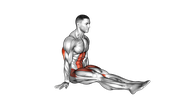
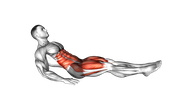
The Crab Pose, also known as Reverse Tabletop, is a bodyweight exercise that targets the core, shoulders, and glutes. It involves lifting the hips off the ground while balancing on the hands and feet, creating a tabletop position with the torso parallel to the floor.
How to Perform
- Sit on the floor with your knees bent and feet flat on the ground, hip-width apart.
- Place your hands behind you, palms flat on the floor with fingers pointing towards your feet.
- Engage your core and press through your hands and feet to lift your hips off the ground.
- Align your torso parallel to the floor, forming a straight line from shoulders to knees.
- Keep your head in a neutral position or gently tilt it back if comfortable.
- Hold this position for a few seconds while maintaining steady breathing.
- Slowly lower your hips back to the starting position.
What Muscles Work
Primary Muscle:
Tips
- Ensure your hands are directly under your shoulders for optimal support.
- Engage your glutes and core to maintain stability throughout the pose.
- Keep your chest open and shoulders away from your ears to avoid tension.
- Focus on maintaining a straight line from shoulders to knees for proper alignment.
- If you experience discomfort in your wrists, adjust hand positioning or take breaks as needed.
- Practice controlled breathing to help maintain balance and focus during the pose.
Common Mistakes
- Hips sagging towards the ground instead of being lifted and aligned with the shoulders and knees.
- Fingers pointing backward instead of forward, which can strain the wrists.
- Shoulders hunching forward, reducing chest engagement and leading to poor posture.
- Neck straining or craning instead of being in a neutral position, causing discomfort.
- Feet placed too far apart or too close together, affecting balance and stability.
- Elbows locked and hyperextended, increasing the risk of joint strain.
- Core muscles disengaged, leading to a lack of support for the lower back.
- Inconsistent breathing, which can lead to tension and reduced endurance.
Recommended Exercises
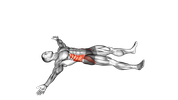
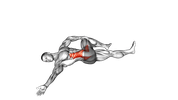
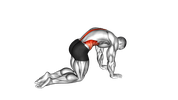
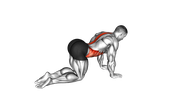
Explore exercises related to Crab Pose for abs training and similar movement patterns.
Choose a workout plan or create your own - for free
Ready-made plans for every goal, a free plan creator, hundreds of exercises and an advanced workout journal - all in SmartWorkout.