Hanging Leg Raise To Bar
StrengthCore
Track this exercise in SmartWorkout
Log sets, weights and progress for free, with no workout limits.


Body Part: Abs
Description
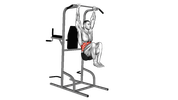
The Hanging Leg Raise To Bar is an advanced core exercise that targets the abdominal muscles, hip flexors, and stabilizing muscles of the upper body. It involves lifting the legs towards the bar while hanging from a pull-up bar, requiring significant strength and control.
How to Perform
- Begin by gripping a pull-up bar with an overhand grip, hands shoulder-width apart.
- Engage your core and keep your body stable, avoiding swinging.
- With legs straight, lift them towards the bar by flexing at the hips.
- Aim to touch the bar with your feet while keeping your legs as straight as possible.
- Slowly lower your legs back to the starting position with control.
- Repeat for the desired number of repetitions.
What Muscles Work
Primary Muscle:
Tips
- Ensure a strong grip on the bar to maintain stability throughout the exercise.
- Focus on using your core muscles to lift your legs rather than relying on momentum.
- Keep your movements slow and controlled to maximize muscle engagement.
- If full leg raises are too challenging, start with bent knees and progress as you build strength.
- Maintain a neutral spine to prevent strain on your lower back.
Common Mistakes
- Swinging the body excessively, reducing core engagement and control.
- Using momentum to lift legs instead of engaging the core muscles.
- Not bringing legs high enough to touch the bar, limiting range of motion.
- Allowing the shoulders to shrug, leading to poor scapular stability.
- Bending the knees excessively, which reduces the intensity of the exercise.
- Failing to keep the torso stable, leading to unnecessary movement and reduced effectiveness.
- Arching the lower back, which can strain the lumbar spine.
- Engaging the hip flexors more than the core, reducing abdominal activation.
- Gripping the bar too tightly, causing unnecessary tension in the arms and shoulders.
- Not controlling the descent, leading to a lack of muscle engagement and potential joint stress.
Recommended Exercises
Explore exercises related to Hanging Leg Raise To Bar for abs training and similar movement patterns.






Choose a workout plan or create your own - for free
Ready-made plans for every goal, a free plan creator, hundreds of exercises and an advanced workout journal - all in SmartWorkout.