Seated Machine Trunk Rotation
StrengthCoreMobility
Track this exercise in SmartWorkout
Log sets, weights and progress for free, with no workout limits.


Body Part: Abs
Description
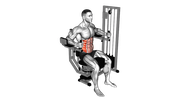
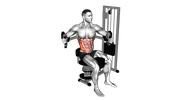
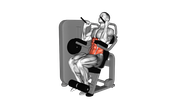
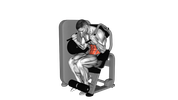
The Seated Machine Trunk Rotation is an isolation exercise targeting the oblique muscles of the core. It involves rotating the torso against resistance while seated, helping to improve core strength and stability.
How to Perform
- Adjust the seat height so that your knees are at a 90-degree angle when seated.
- Sit on the machine with your back straight and feet flat on the floor.
- Place your arms across your chest or hold onto the handles if available.
- Engage your core muscles by pulling your navel towards your spine.
- Rotate your torso to one side as far as comfortable, keeping your hips stable.
- Return to the starting position in a controlled manner.
- Repeat the movement on the opposite side.
- Perform equal repetitions for both sides.
What Muscles Work
Primary Muscle:
Tips
- Maintain a slow and controlled motion to maximize muscle engagement.
- Avoid using momentum; focus on using your oblique muscles to drive the movement.
- Keep your shoulders relaxed and avoid hunching them during the exercise.
- Ensure that your hips remain stationary throughout the rotation to isolate the core effectively.
- Start with a lighter resistance to master the form before increasing weight.
- Exhale as you rotate and inhale as you return to the center position.
Common Mistakes
- Using excessive weight, leading to poor form and reduced control.
- Allowing the knees to move, reducing isolation of the core muscles.
- Twisting the hips instead of rotating the trunk, decreasing core engagement.
- Leaning forward or backward, compromising spinal alignment.
- Relying on momentum rather than controlled muscle contraction.
- Failing to maintain a neutral spine, increasing stress on the lower back.
- Not fully engaging the obliques, limiting the effectiveness of the exercise.
- Rotating beyond a safe range of motion, risking spinal strain.
Recommended Exercises
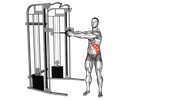
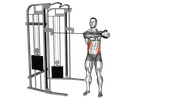
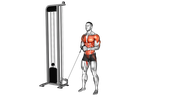
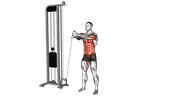
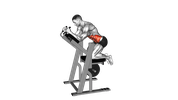
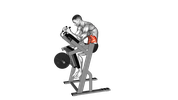
Explore exercises related to Seated Machine Trunk Rotation for abs training and similar movement patterns.
Choose a workout plan or create your own - for free
Ready-made plans for every goal, a free plan creator, hundreds of exercises and an advanced workout journal - all in SmartWorkout.