Weighted Hollow Body Hold
enums.exercise_tag.COREenums.exercise_tag.ISOMETRIC
exercise_detail.body_part: enums.body_part.ABS
exercise_detail.description
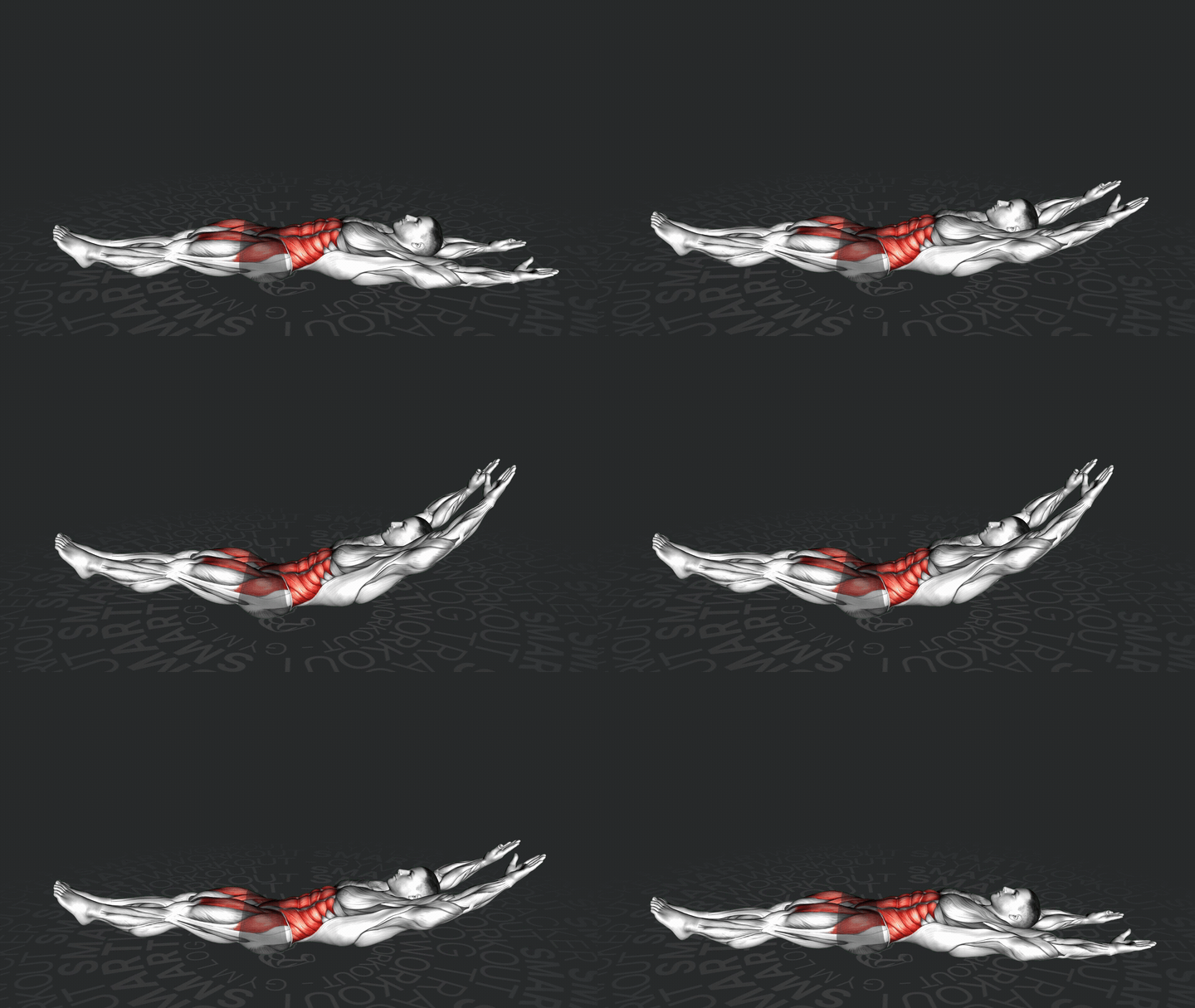
The Weighted Hollow Body Hold is a core strengthening exercise that involves maintaining a hollow position while holding additional weight. This exercise targets the abdominal muscles, hip flexors, and improves overall core stability.
exercise_detail.how_to_perform
- Lie flat on your back on a mat, with your arms extended overhead and legs straight.
- Hold a weight plate or dumbbell with both hands above your chest.
- Engage your core by drawing your belly button towards your spine.
- Lift your shoulders and legs off the ground, creating a 'hollow' shape with your body.
- Keep your lower back pressed into the floor to avoid arching.
- Hold this position, keeping the weight steady above you, for the desired duration.
- Slowly lower your shoulders and legs back to the starting position to complete the exercise.
exercise_detail.what_muscles_work
exercise_detail.primary_muscle:
exercise_detail.tips
- Ensure your lower back remains in contact with the floor throughout the exercise to protect your spine.
- Start with a lighter weight to master the form before progressing to heavier weights.
- Focus on breathing steadily; inhale through your nose and exhale through your mouth.
- If you feel strain in your neck, try tucking your chin slightly towards your chest.
- Maintain tension in your core at all times to maximize effectiveness and prevent injury.
- Adjust the height of your legs; lowering them increases difficulty, while raising them makes it easier.
exercise_detail.common_mistakes
- Arching the lower back instead of maintaining a flat back against the floor.
- Holding the weight too high, causing neck strain and disengagement of core muscles.
- Letting the shoulders drop to the floor instead of keeping them elevated.
- Lifting legs too high, reducing core activation and increasing lower back strain.
- Failing to engage the core, resulting in poor stability and control.
- Allowing the weight to move, which disrupts balance and core engagement.
- Holding the position for too long, leading to muscle fatigue and compromised form.
- Using momentum to maintain the hold instead of relying on muscle strength.
exercise_detail.recommended_exercises
exercise_detail.recommended_exercises_intro
exercise_detail.app_ad.title
exercise_detail.app_ad.description