Ring Muscle Up
enums.exercise_tag.STRENGTHenums.exercise_tag.PULLenums.exercise_tag.FUNCTIONALenums.exercise_tag.EXPLOSIVE
exercise_detail.body_part: enums.body_part.BICEPS
exercise_detail.description
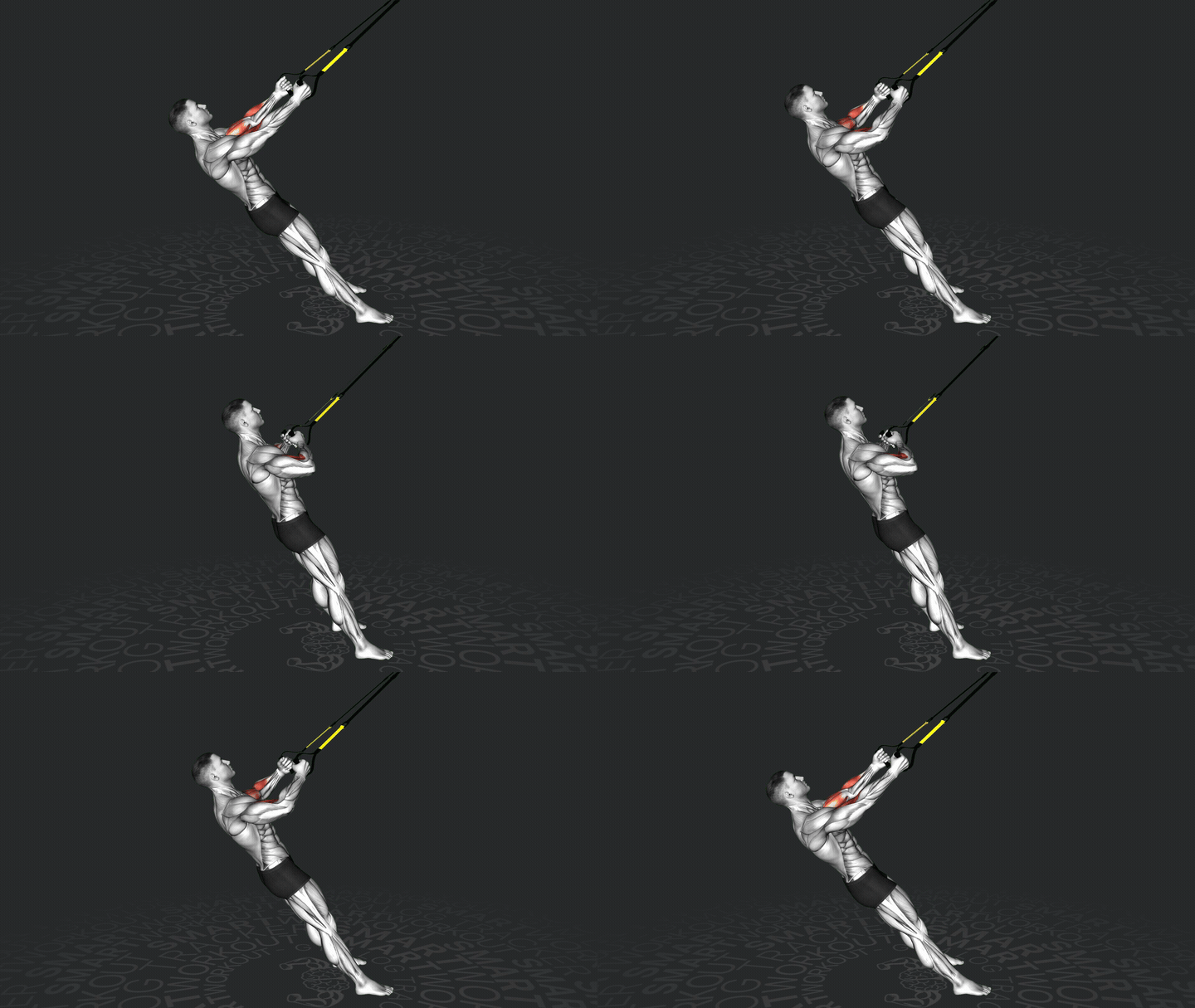
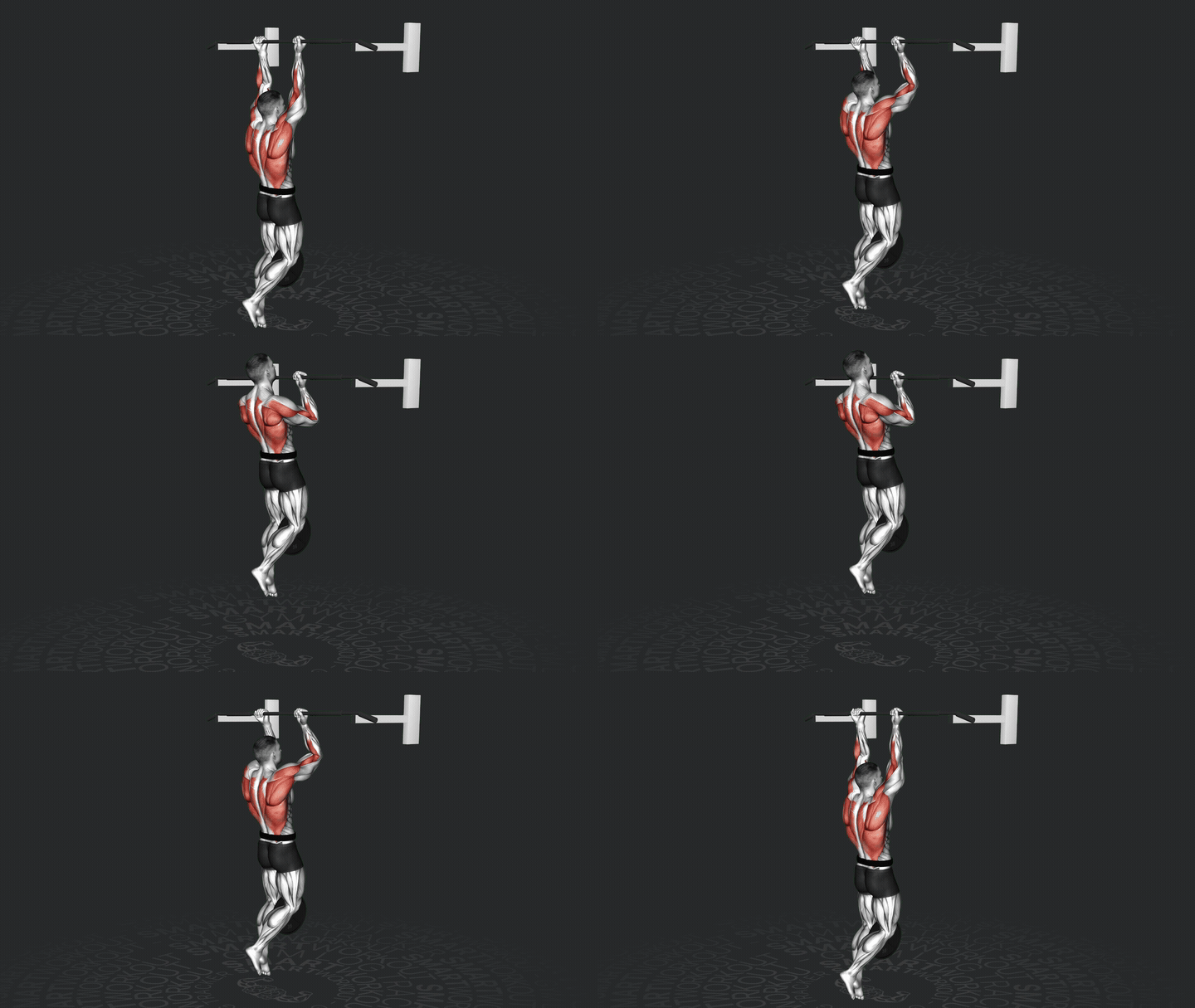
The Ring Muscle Up is an advanced gymnastic movement that combines a pull-up with a dip, performed on gymnastic rings. It requires significant upper body strength, coordination, and technique. The exercise targets the shoulders, chest, triceps, and core muscles, making it a comprehensive upper body workout.
exercise_detail.how_to_perform
- Begin by hanging from the rings with a false grip, ensuring your wrists are above the rings.
- Engage your core and pull yourself up explosively, aiming to bring your chest to the rings.
- As you reach the top of the pull-up, transition by leaning forward and pushing the rings downwards.
- Press your body up into a dip position by extending your arms fully.
- Control your descent back to the starting position, maintaining tension throughout your body.
exercise_detail.what_muscles_work
exercise_detail.primary_muscle:
exercise_detail.secondary_muscles:
exercise_detail.tips
- Focus on maintaining a false grip throughout the movement to facilitate the transition.
- Keep your core engaged to stabilize your body and prevent swinging.
- Practice the pull-up and dip components separately to build strength before attempting the full movement.
- Use a controlled tempo during both ascent and descent to maximize muscle engagement.
- Ensure proper warm-up of shoulders and wrists to prevent injury.
exercise_detail.common_mistakes
- Kipping too early, reducing upward momentum.
- Pulling with bent arms instead of straight arms initially.
- Failing to keep rings close to the body during transition.
- Not engaging the core, leading to a loss of control.
- Poor wrist position, causing instability at the top.
- Rushing the transition phase, leading to poor form.
- Not maintaining a false grip, losing leverage.
- Using excessive swing, compromising technique.
- Inadequate shoulder activation, reducing pulling power.
- Dropping too quickly from the top, risking shoulder strain.
exercise_detail.recommended_exercises
exercise_detail.recommended_exercises_intro
exercise_detail.app_ad.title
exercise_detail.app_ad.description