Dumbbell Larsen Press
StrengthPush
Track Dumbbell Larsen Press in SmartWorkout and watch your numbers go up
Log sets, weights and progress for free, with no workout limits.


Body Part: Chest
Description
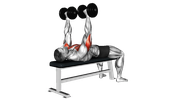
The Dumbbell Larsen Press is a variation of the bench press that emphasizes upper body strength and stability. It is performed with dumbbells while keeping the feet off the ground, which increases core engagement and reduces leg drive, focusing more on the chest, shoulders, and triceps.
How to Perform
- Lie flat on a bench with a dumbbell in each hand, palms facing forward.
- Position yourself so that your head, shoulders, and glutes are in contact with the bench.
- Lift your feet off the ground and extend your legs straight out or bend them at the knees to reduce leg drive.
- Start with the dumbbells at chest level, elbows bent at approximately 90 degrees.
- Press the dumbbells upward until your arms are fully extended above your chest.
- Pause briefly at the top of the movement, ensuring control and stability.
- Lower the dumbbells back to the starting position with controlled motion.
- Repeat for the desired number of repetitions.
What Muscles Work
Primary Muscle:
Secondary Muscles:
Tips
- Maintain a tight core throughout the exercise to stabilize your body.
- Focus on keeping your shoulder blades retracted to protect your shoulders.
- Avoid arching your back excessively; keep it neutral to prevent strain.
- Control the descent of the dumbbells to maximize muscle engagement.
- Ensure that your wrists remain in a neutral position to avoid strain.
- Breathe out as you press up and inhale as you lower the dumbbells.
- Start with lighter weights to master form before progressing to heavier loads.
Common Mistakes
- Arching the lower back excessively, reducing core engagement.
- Failing to keep feet off the ground, leading to loss of stability.
- Allowing elbows to flare out too wide, increasing shoulder strain.
- Lowering the dumbbells too quickly, compromising control.
- Not bringing the dumbbells to chest level, limiting range of motion.
- Using momentum to lift the weights, reducing muscle activation.
- Neglecting to maintain a neutral wrist position, risking wrist strain.
- Inhaling while pressing the weights up, affecting breathing pattern.
- Not keeping the shoulder blades retracted, leading to shoulder instability.
Recommended Exercises
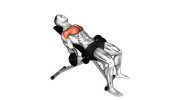
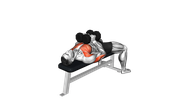
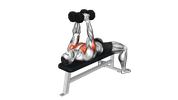
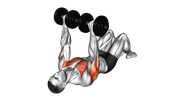
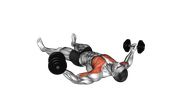
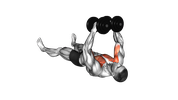
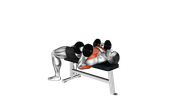
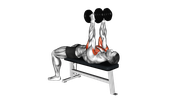
Explore exercises related to Dumbbell Larsen Press for chest training and similar movement patterns.







Choose a workout plan or create your own for free
Ready-made plans for every goal, a free plan creator, hundreds of exercises and an advanced workout journal: all in SmartWorkout.
Start with a free plan. Keep progressing with SmartWorkout.
- users
- 200k+
- exercises with technique guides
- 1,000+
- workouts on the free plan
- ∞