Hammer Grip Dumbbell Bench Press
StrengthPush
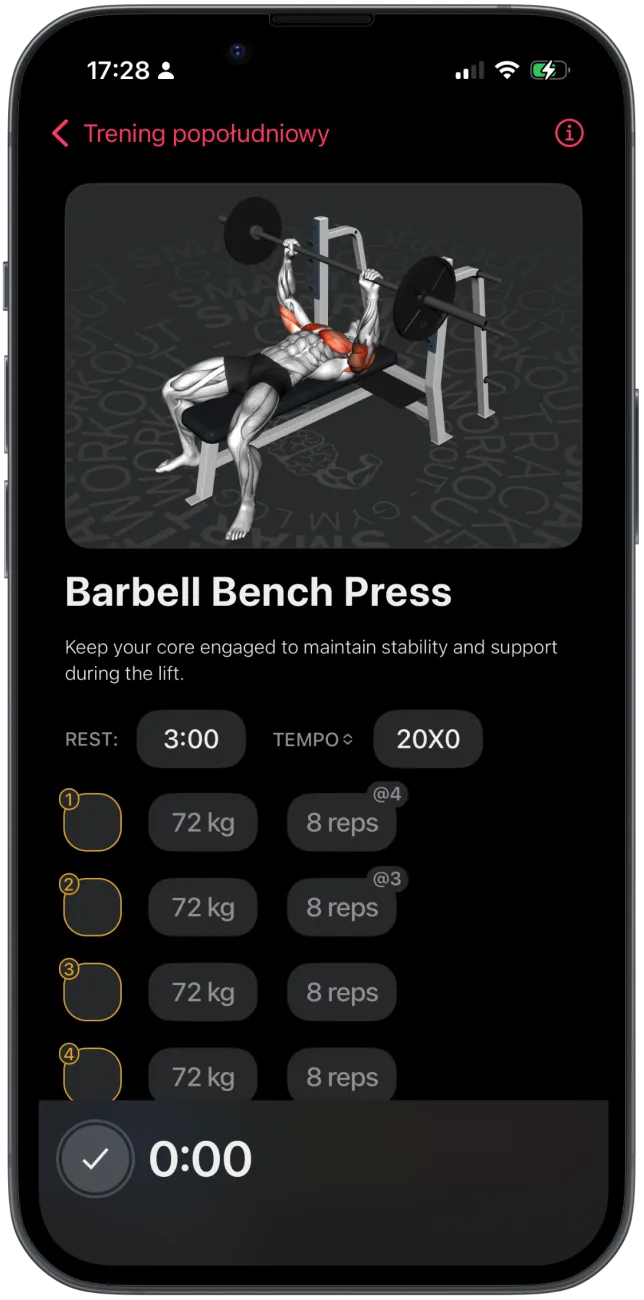
Track this exercise in SmartWorkout
Log sets, weights and progress for free, with no workout limits.


Body Part: Chest
Description
The Hammer Grip Dumbbell Bench Press is a chest exercise that targets the pectoral muscles, triceps, and anterior deltoids. It involves pressing dumbbells upward while maintaining a neutral grip, which can reduce strain on the shoulders and wrists compared to traditional bench press variations.
How to Perform
- Lie flat on a bench with your feet firmly planted on the floor.
- Hold a dumbbell in each hand with a neutral grip, palms facing each other.
- Position the dumbbells at shoulder width, elbows bent at approximately 90 degrees.
- Engage your core and press the dumbbells upward until your arms are fully extended but not locked.
- Slowly lower the dumbbells back to the starting position, maintaining control throughout the movement.
- Repeat for the desired number of repetitions.
What Muscles Work
Primary Muscle:
Secondary Muscles:
Tips
- Keep your shoulder blades retracted and pressed against the bench to stabilize your upper body.
- Maintain a neutral wrist position to avoid unnecessary strain.
- Focus on controlled movements, both during the pressing and lowering phases.
- Exhale as you press the dumbbells up and inhale as you lower them.
- Ensure your feet remain flat on the ground to provide stability and support.
- Start with lighter weights to master form before progressing to heavier loads.
Common Mistakes
- Allowing elbows to flare out, reducing triceps engagement.
- Arching the lower back excessively, compromising stability.
- Lowering dumbbells too fast, losing control and risking shoulder strain.
- Not fully extending arms at the top, limiting range of motion.
- Failing to keep wrists aligned with forearms, increasing wrist strain.
- Letting dumbbells drift too far forward or backward, affecting shoulder positioning.
- Using momentum to lift, reducing muscle activation.
- Not retracting shoulder blades, leading to poor chest engagement.
Recommended Exercises
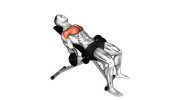
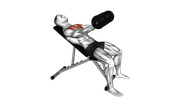
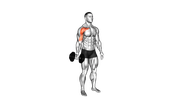
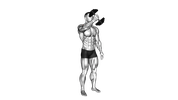
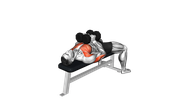
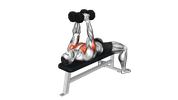
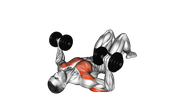
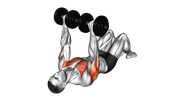
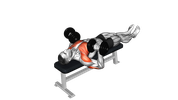
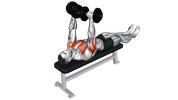
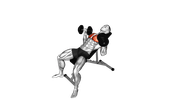
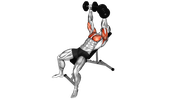
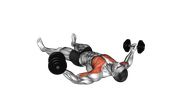
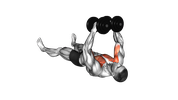
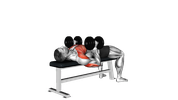
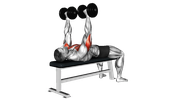
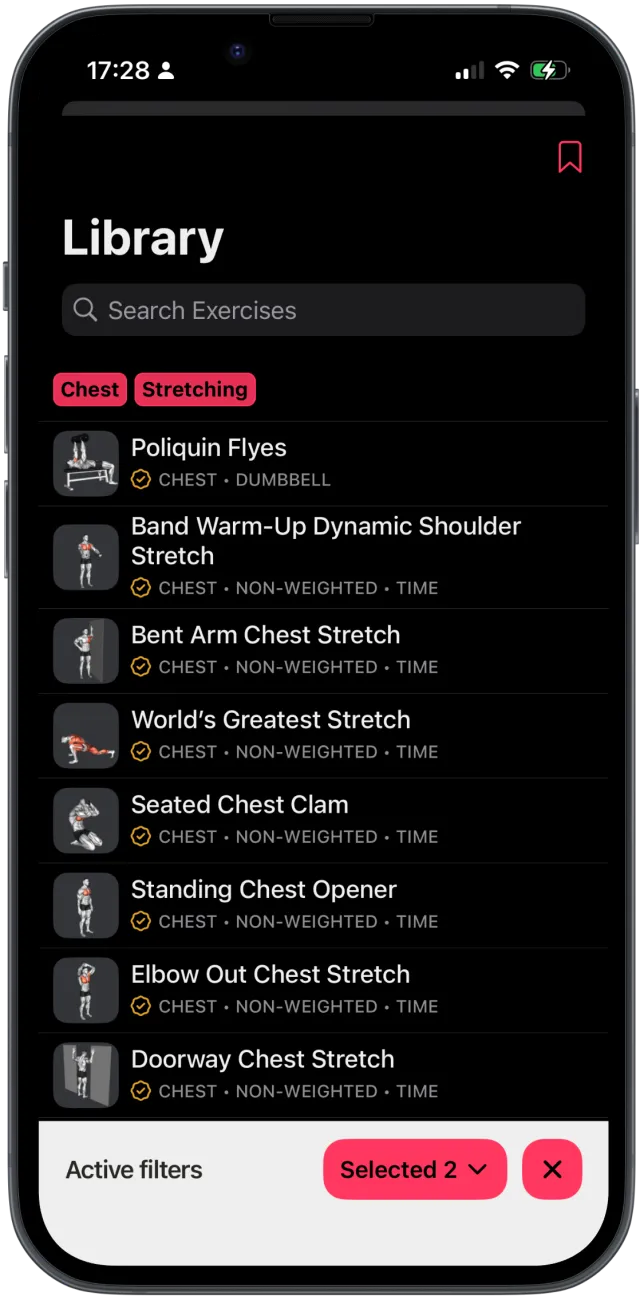
Explore exercises related to Hammer Grip Dumbbell Bench Press for chest training and similar movement patterns.
Choose a workout plan or create your own for free
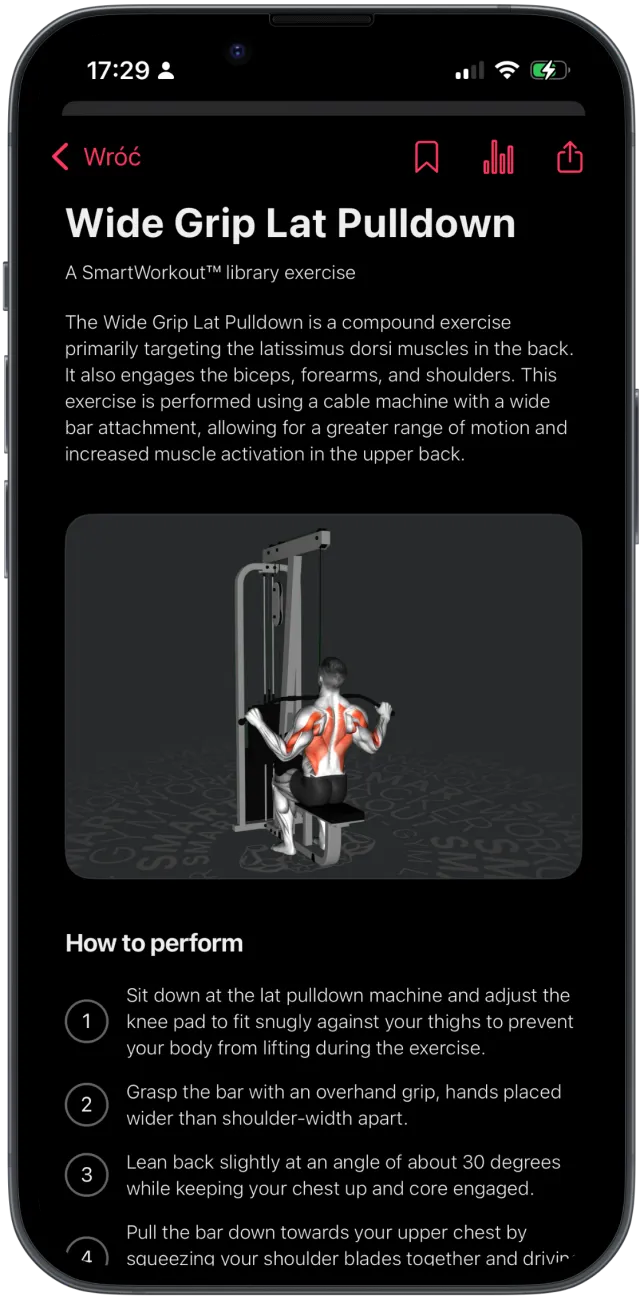
Ready-made plans for every goal, a free plan creator, hundreds of exercises and an advanced workout journal: all in SmartWorkout.
Start with a free plan. Keep progressing with SmartWorkout.
- users
- 200k+
- exercises with technique guides
- 1,000+
- workouts on the free plan
- ∞