Cable Wrist Curl
Strength
Track this exercise in SmartWorkout
Log sets, weights and progress for free, with no workout limits.


Body Part: Forearms
Description
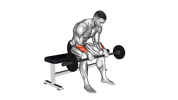
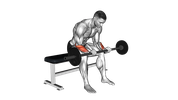
The Cable Wrist Curl is an isolation exercise targeting the forearm flexors. It involves using a cable machine to perform wrist curls, which helps in building strength and endurance in the forearms. This exercise is beneficial for improving grip strength and overall arm stability.
How to Perform
- Set the cable machine to a low pulley position and attach a straight bar.
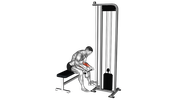
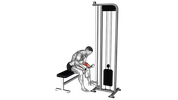
- Sit on a bench facing the cable machine, with your feet flat on the floor.
- Grasp the bar with an underhand grip, hands shoulder-width apart, and rest your forearms on your thighs or a bench, allowing your wrists to hang over the edge.
- Keep your back straight and core engaged throughout the exercise.
- Slowly curl your wrists upwards by contracting your forearm muscles, keeping your forearms stationary.
- Hold the contraction at the top for a brief moment.
- Lower the bar back to the starting position in a controlled manner.
- Repeat for the desired number of repetitions.
What Muscles Work
Primary Muscle:
Tips
- Focus on using only your wrist to lift the weight; avoid moving your elbows or shoulders.
- Start with a lighter weight to ensure proper form and gradually increase as you build strength.
- Maintain a slow and controlled motion throughout the exercise to maximize muscle engagement.
- Exhale as you curl your wrists up and inhale as you lower them back down.
- Ensure that your grip on the bar is firm but not overly tight to prevent unnecessary strain.
Common Mistakes
- Using excessive weight, leading to improper form and reduced wrist control.
- Allowing the elbows to lift off the bench, disengaging the forearm muscles.
- Curling the wrist too quickly, sacrificing control and muscle engagement.
- Not fully extending the wrists, limiting the range of motion and effectiveness.
- Leaning the body forward, reducing tension on the forearm muscles.
- Failing to keep a neutral wrist position at the start, increasing strain.
- Using momentum to lift the weight instead of controlled wrist flexion.
- Neglecting to maintain a consistent tempo, leading to uneven muscle work.
Recommended Exercises
Explore exercises related to Cable Wrist Curl for forearms training and similar movement patterns.


Choose a workout plan or create your own - for free
Ready-made plans for every goal, a free plan creator, hundreds of exercises and an advanced workout journal - all in SmartWorkout.