EZ-Bar Seated Reverse Wrist Curl
Strength
Track EZ-Bar Seated Reverse Wrist Curl in SmartWorkout and watch your numbers go up
Log sets, weights and progress for free, with no workout limits.


Body Part: Forearms
Description
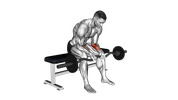
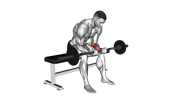
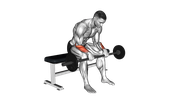
The EZ-Bar Seated Reverse Wrist Curl targets the forearm extensor muscles. This exercise is performed while seated, using an EZ-bar to provide a comfortable grip angle, minimizing wrist strain. It is effective for developing forearm strength and improving grip stability.
How to Perform
- Sit on a bench with your feet flat on the floor, shoulder-width apart.
- Hold an EZ-bar with an overhand grip (palms facing down), hands slightly wider than shoulder-width.
- Rest your forearms on your thighs, allowing your wrists to hang over the edge of your knees.
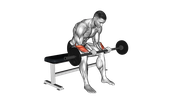
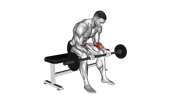
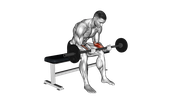
- Start with your wrists in a neutral position, then slowly curl the bar upwards by extending your wrists.
- Pause briefly at the top of the movement, ensuring maximum contraction of the forearm extensors.
- Lower the bar back to the starting position in a controlled manner.
- Repeat for the desired number of repetitions.
What Muscles Work
Primary Muscle:
Tips
- Keep your elbows stationary and close to your body throughout the exercise.
- Focus on using only your wrists to move the bar; avoid using your shoulders or upper arms.
- Maintain a slow and controlled motion to maximize muscle engagement and reduce injury risk.
- Start with a lighter weight to ensure proper form before progressing to heavier loads.
- Breathe out as you curl the bar up and inhale as you return to the starting position.
Common Mistakes
- Using too much weight, leading to improper form and reduced range of motion.
- Allowing the elbows to flare out, reducing isolation of the forearm muscles.
- Bouncing the weight instead of using controlled, smooth movements.
- Not fully extending the wrists downward, limiting muscle engagement.
- Leaning too far forward or backward, causing strain on the lower back.
- Gripping the bar too tightly, which can lead to unnecessary tension in the forearms and wrists.
- Failing to keep the wrists aligned with the forearms, increasing the risk of wrist strain.
Recommended Exercises
Explore exercises related to EZ-Bar Seated Reverse Wrist Curl for forearms training and similar movement patterns.
Choose a workout plan or create your own - for free
Ready-made plans for every goal, a free plan creator, hundreds of exercises and an advanced workout journal - all in SmartWorkout.