EZ-Bar Reverse Spider Curl
Track EZ-Bar Reverse Spider Curl in SmartWorkout and watch your numbers go up
Log sets, weights and progress for free, with no workout limits.


Description
The Reverse EZ-Bar Spider Curl is an isolation exercise targeting the brachialis and brachioradialis muscles in the arms. This variation of the spider curl is performed with a pronated (overhand) grip on an EZ-bar, which emphasizes the forearms and provides a unique stimulus to the biceps. It is typically done on an incline bench to allow for a full range of motion and to minimize momentum.
How to Perform
- Adjust an incline bench to approximately a 45-degree angle.
- Position yourself face down on the bench, with your chest and stomach supported, allowing your arms to hang freely.
- Grip the EZ-bar with a pronated (overhand) grip, hands shoulder-width apart.
- Start with your arms fully extended towards the floor.
- Curl the bar upwards by flexing your elbows, keeping your upper arms stationary.
- Squeeze at the top of the movement, ensuring maximum contraction in the forearms and biceps.
- Slowly lower the bar back to the starting position, maintaining control throughout.
- Repeat for the desired number of repetitions.
What Muscles Work
Primary Muscle:
Secondary Muscles:
Tips
- Ensure your wrists remain straight throughout the movement to avoid unnecessary strain.
- Focus on using your forearms and biceps to lift the weight, minimizing shoulder involvement.
- Keep your movements slow and controlled to maximize muscle engagement and reduce momentum.
- Exhale as you curl the bar upwards and inhale as you lower it back down.
- Start with a lighter weight to master the form before progressing to heavier loads.
Common Mistakes
- Using momentum to lift the bar instead of controlled muscle contraction.
- Allowing elbows to flare out, reducing bicep engagement.
- Incorrect wrist positioning, leading to strain and reduced effectiveness.
- Not fully extending arms at the bottom, limiting range of motion.
- Curling too fast, neglecting the eccentric phase of the movement.
- Positioning the bench too high or too low, affecting arm alignment.
- Engaging shoulders instead of isolating the biceps.
- Not maintaining a stable core, leading to body swaying.
Recommended Exercises
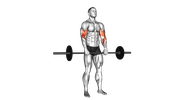
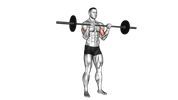
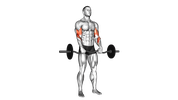
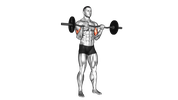
Explore exercises related to EZ-Bar Reverse Spider Curl for forearms training and similar movement patterns.
Choose a workout plan or create your own - for free
Ready-made plans for every goal, a free plan creator, hundreds of exercises and an advanced workout journal - all in SmartWorkout.