Unilateral Farmer Walk
StrengthBalanceFunctional
Track this exercise in SmartWorkout
Log sets, weights and progress for free, with no workout limits.


Body Part: Forearms
Description
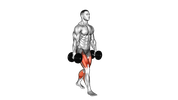
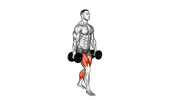
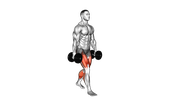
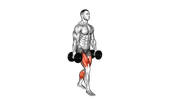
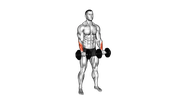
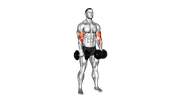
The Unilateral Farmer Walk is a strength and conditioning exercise that targets the core, grip strength, and lower body stability. It involves carrying a heavy weight in one hand while walking a specified distance or for a set time. This exercise challenges balance and coordination, engaging muscles on both sides of the body asymmetrically.
How to Perform
- Select a heavy dumbbell or kettlebell and place it beside you.
- Stand upright with feet hip-width apart and engage your core.
- Bend at the knees to pick up the weight with one hand, keeping your back straight.
- Hold the weight securely at your side with your arm fully extended.
- Begin walking forward in a straight line, maintaining an upright posture.
- Keep your shoulders level and avoid leaning to one side.
- Walk for a set distance or time, then switch hands and repeat.
What Muscles Work
Primary Muscle:
Secondary Muscles:
Tips
- Choose a weight that challenges your grip but allows you to maintain proper form.
- Focus on keeping your core tight to prevent your torso from tilting.
- Maintain a steady pace and controlled breathing throughout the walk.
- Ensure your steps are even and deliberate to enhance balance.
- Switch hands regularly to work both sides of the body equally.
- Use this exercise as part of a balanced routine to improve overall functional strength.
Common Mistakes
- Leaning excessively to one side instead of maintaining an upright posture.
- Allowing the weight to swing, losing control and stability.
- Failing to engage the core, leading to poor balance and posture.
- Taking overly large or small steps, disrupting natural gait and balance.
- Holding the weight too far from the body, increasing strain on the shoulder.
- Neglecting to keep the shoulder blades retracted, resulting in a rounded back.
- Walking too quickly, compromising form and muscle engagement.
- Not keeping the head aligned with the spine, leading to neck strain.
- Using too heavy a weight, causing compensatory movements and poor form.
Recommended Exercises
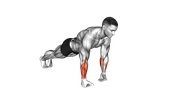
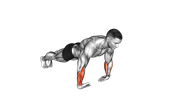
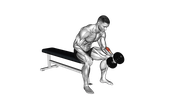
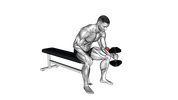
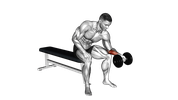
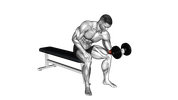
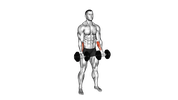
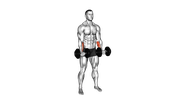
Explore exercises related to Unilateral Farmer Walk for forearms training and similar movement patterns.


Choose a workout plan or create your own - for free
Ready-made plans for every goal, a free plan creator, hundreds of exercises and an advanced workout journal - all in SmartWorkout.