Single Leg Weighted Glute Bridge
StrengthBalanceFunctional
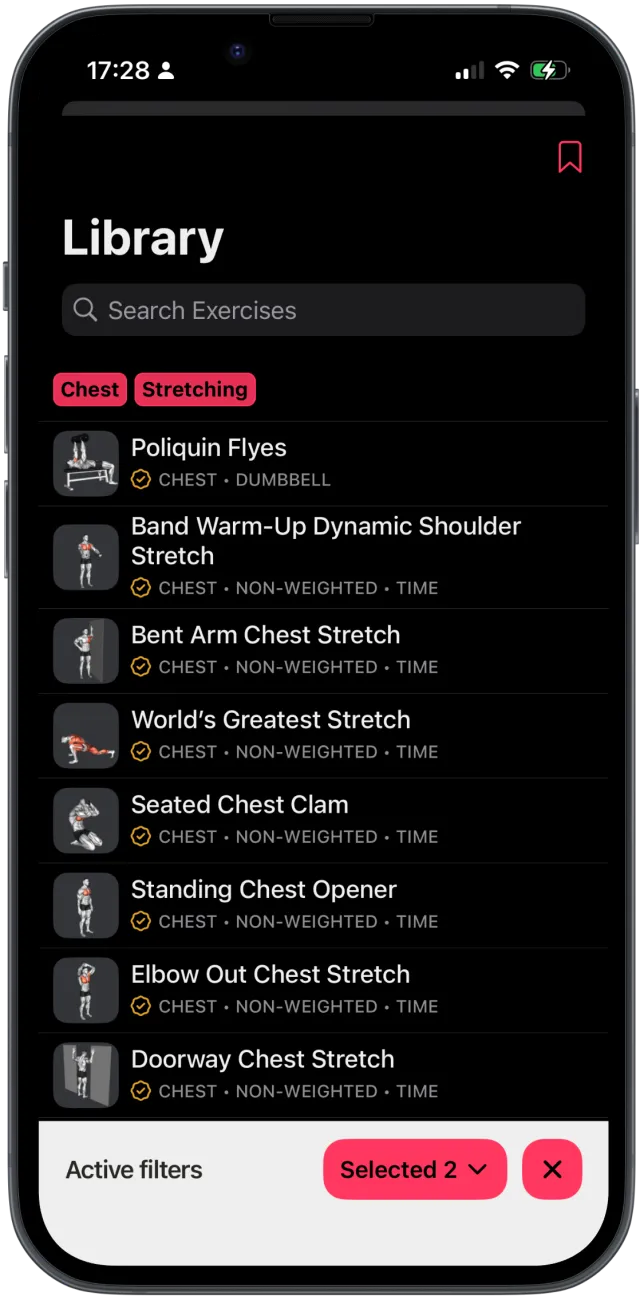
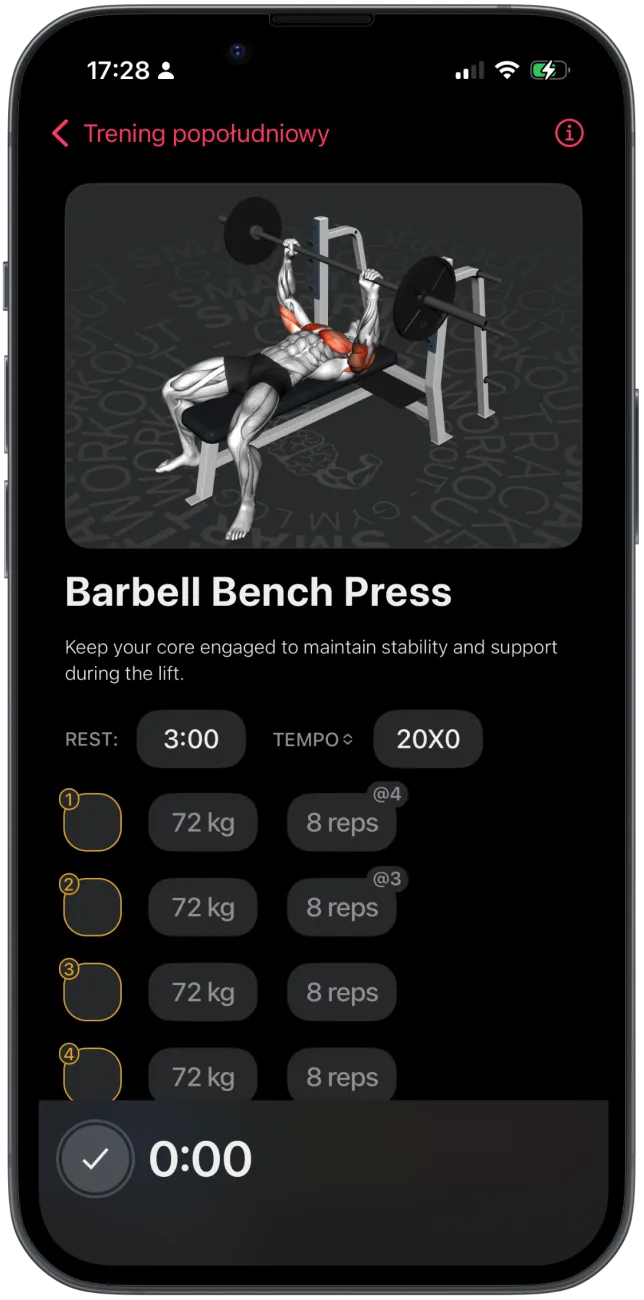
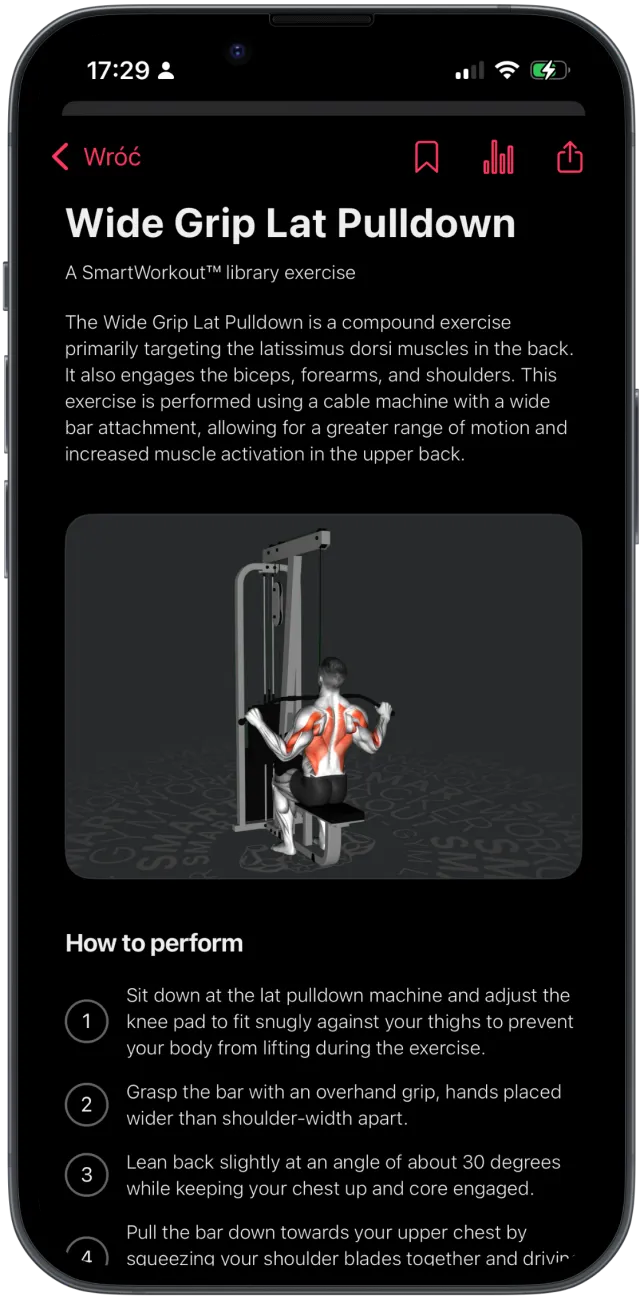
Track this exercise in SmartWorkout
Log sets, weights and progress for free, with no workout limits.


Body Part: Gluteal
Description
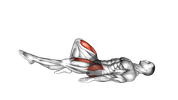
The Single Leg Weighted Glute Bridge is an advanced exercise targeting the gluteal muscles, hamstrings, and core. This movement enhances unilateral strength and stability by isolating one leg at a time, making it effective for correcting muscle imbalances and improving overall lower body strength.
How to Perform
- Lie on your back with your knees bent and feet flat on the floor, hip-width apart.
- Place a weight, such as a dumbbell or plate, on your pelvis, holding it securely with both hands.
- Extend one leg straight out, keeping it in line with your opposite thigh.
- Engage your core and press through the heel of the grounded foot to lift your hips towards the ceiling.
- Squeeze your glutes at the top of the movement, ensuring your body forms a straight line from shoulders to knees.
- Hold the bridge position for a moment before slowly lowering your hips back to the starting position.
- Complete the desired number of repetitions on one side before switching to the other leg.
What Muscles Work
Primary Muscle:
Secondary Muscles:
Tips
- Ensure your core is engaged throughout the exercise to maintain stability and prevent lower back strain.
- Keep your extended leg parallel to the opposite thigh to maintain proper form.
- Focus on driving through the heel of the grounded foot to maximize glute activation.
- Avoid arching your lower back; keep your ribcage down and spine neutral.
- Start with a lighter weight to master form before progressing to heavier loads.
- Perform the exercise slowly and with control to enhance muscle engagement and reduce injury risk.
Common Mistakes
- Failing to keep the core engaged, leading to lower back arching.
- Allowing the knee to collapse inward instead of maintaining alignment with the hip and ankle.
- Pushing through the toes instead of the heel, reducing glute activation.
- Not fully extending the hips at the top of the movement.
- Dropping the hips too quickly during the lowering phase.
- Holding the weight improperly, causing instability.
- Lifting the shoulders off the ground, reducing stability.
- Using momentum to lift rather than controlled muscle engagement.
- Not keeping the non-working leg elevated and stable.
Recommended Exercises
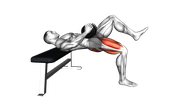
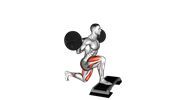
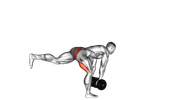
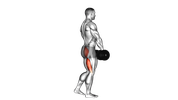
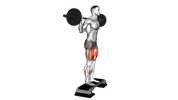
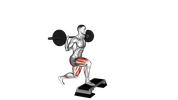
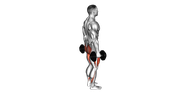
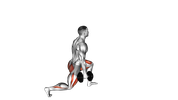
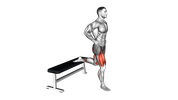
Explore exercises related to Single Leg Weighted Glute Bridge for gluteal training and similar movement patterns.

Choose a workout plan or create your own - for free
Ready-made plans for every goal, a free plan creator, hundreds of exercises and an advanced workout journal - all in SmartWorkout.