Sissy Squat
StrengthBalanceFunctional
Track this exercise in SmartWorkout
Log sets, weights and progress for free, with no workout limits.


Body Part: Legs
Description
The Sissy Squat is an advanced lower body exercise that primarily targets the quadriceps, while also engaging the core and hip flexors. It is performed with a focus on maintaining a straight line from the knees to the shoulders, emphasizing knee flexion and extension.
How to Perform
- Start by standing upright with your feet shoulder-width apart. Use a Sissy Squat bench or hold onto a stable surface for balance.
- Engage your core and keep your torso upright. Begin to lean back by bending your knees forward, keeping your hips extended.
- Lower your body by allowing your knees to travel forward while maintaining a straight line from your knees to your shoulders.
- Descend until your knees are fully bent and your body forms a straight line from head to knees.
- Push through the balls of your feet to return to the starting position, extending your knees and bringing your body back upright.
What Muscles Work
Primary Muscle:
Secondary Muscles:
Tips
- Keep your core engaged throughout the movement to maintain stability.
- Focus on keeping a straight line from shoulders to knees to ensure proper form.
- Use a Sissy Squat bench or hold onto something stable for balance if needed.
- Start with a limited range of motion if you're new to this exercise, gradually increasing as you become more comfortable.
- Ensure that your knees do not collapse inward; keep them aligned with your toes.
Common Mistakes
- Leaning too far forward, reducing quadriceps engagement.
- Allowing knees to collapse inward, increasing knee strain.
- Failing to keep hips extended, limiting quadriceps activation.
- Not maintaining a straight line from knees to shoulders, compromising form.
- Using momentum instead of controlled movement, reducing effectiveness.
- Bending at the hips, shifting focus away from the quadriceps.
- Not achieving full range of motion, limiting muscle activation.
- Placing feet too wide, altering the exercise mechanics.
- Neglecting core engagement, leading to instability.
- Rushing through repetitions, sacrificing form and control.
Recommended Exercises
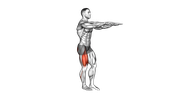
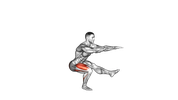
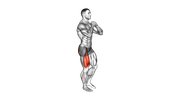
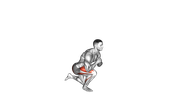
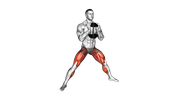
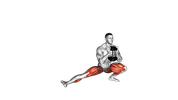
Explore exercises related to Sissy Squat for legs training and similar movement patterns.


Choose a workout plan or create your own - for free
Ready-made plans for every goal, a free plan creator, hundreds of exercises and an advanced workout journal - all in SmartWorkout.


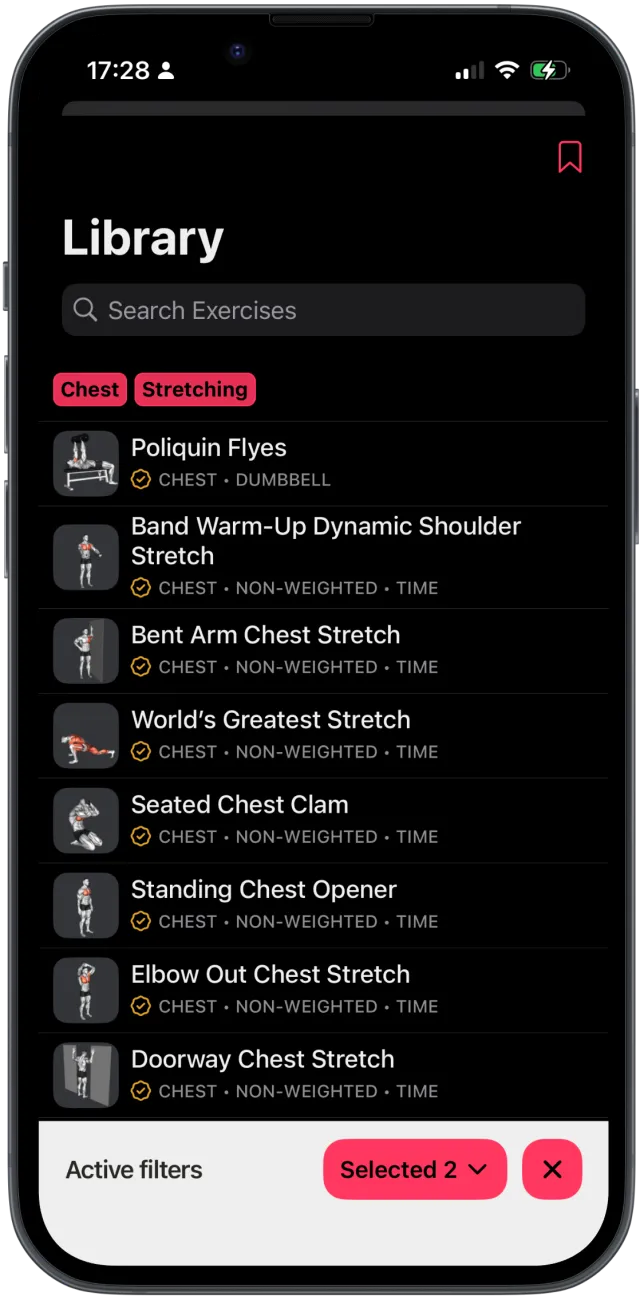
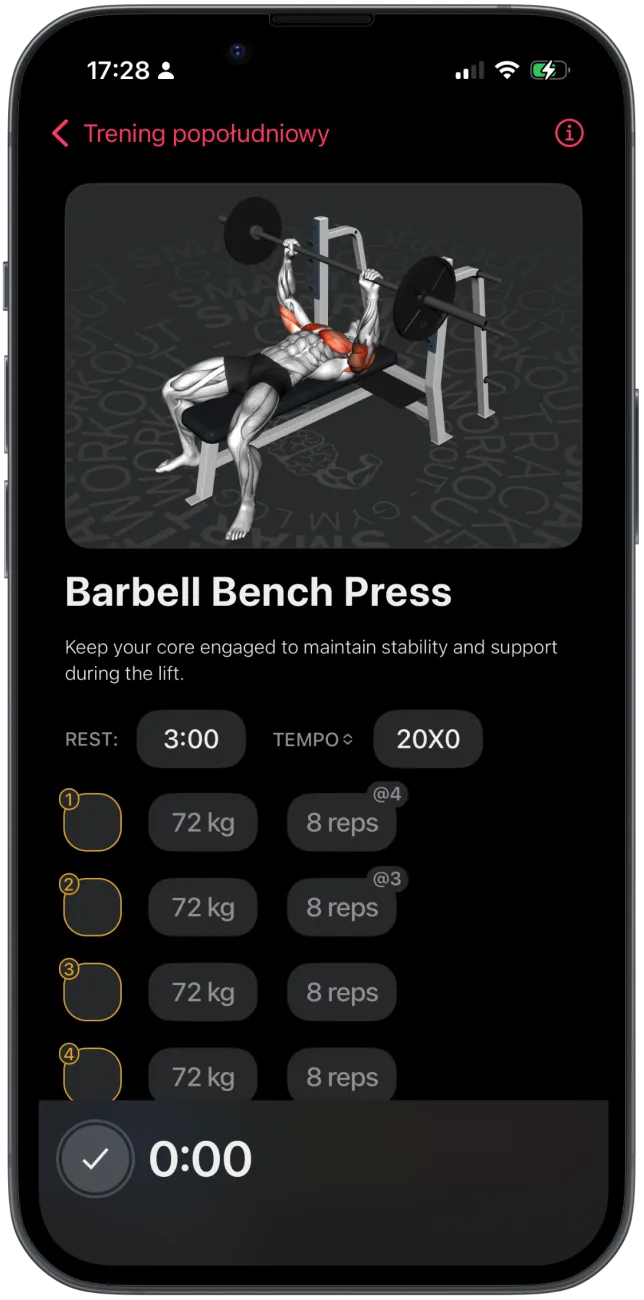
Start with a free plan. Keep progressing with SmartWorkout.
- users
- 200k+
- exercises with technique guides
- 1,000+
- workouts on the free plan
- ∞