Bent Over Dumbbell Lateral Raise
enums.exercise_tag.STRENGTHenums.exercise_tag.PULL
exercise_detail.body_part: enums.body_part.SHOULDERS
exercise_detail.description
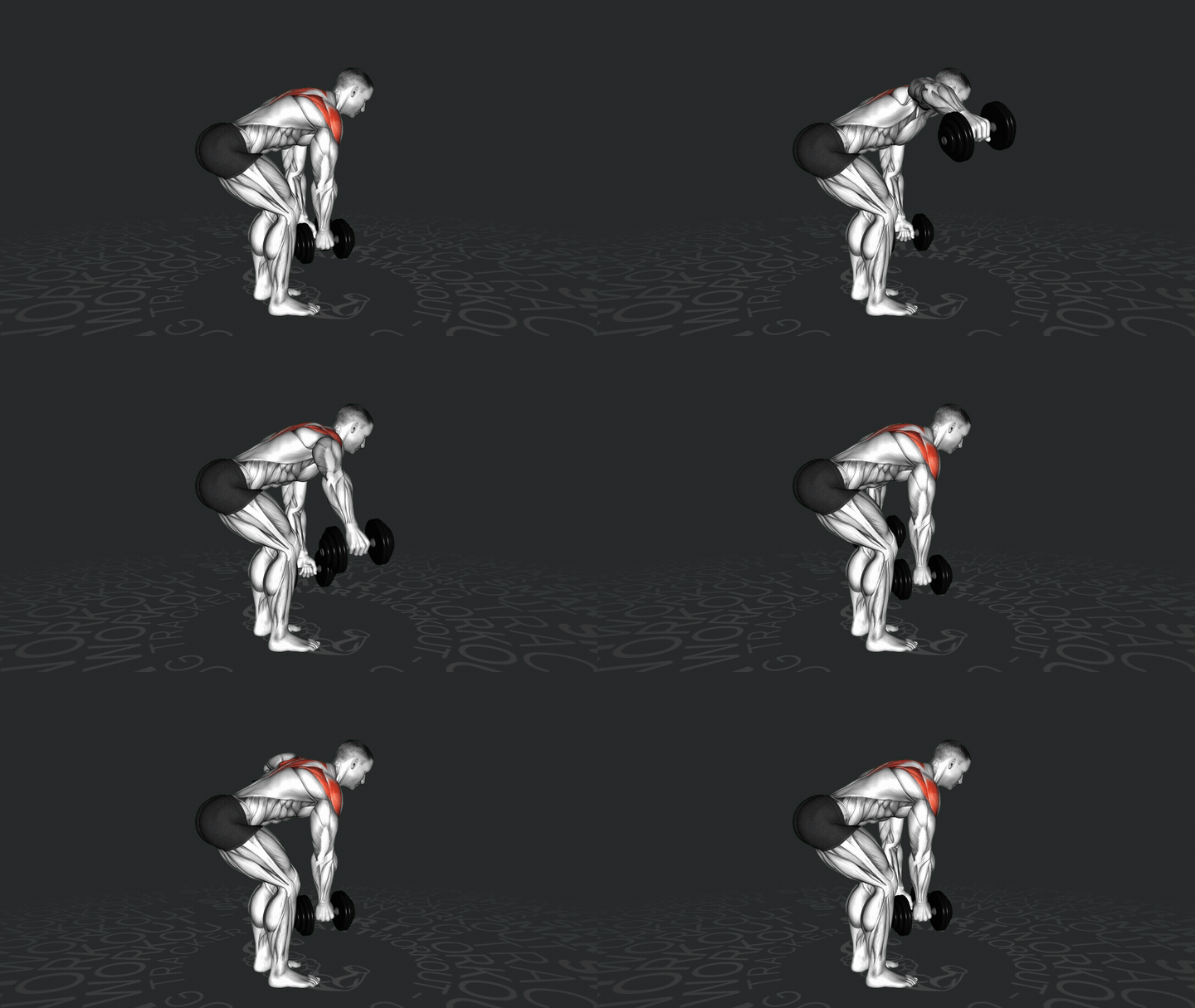
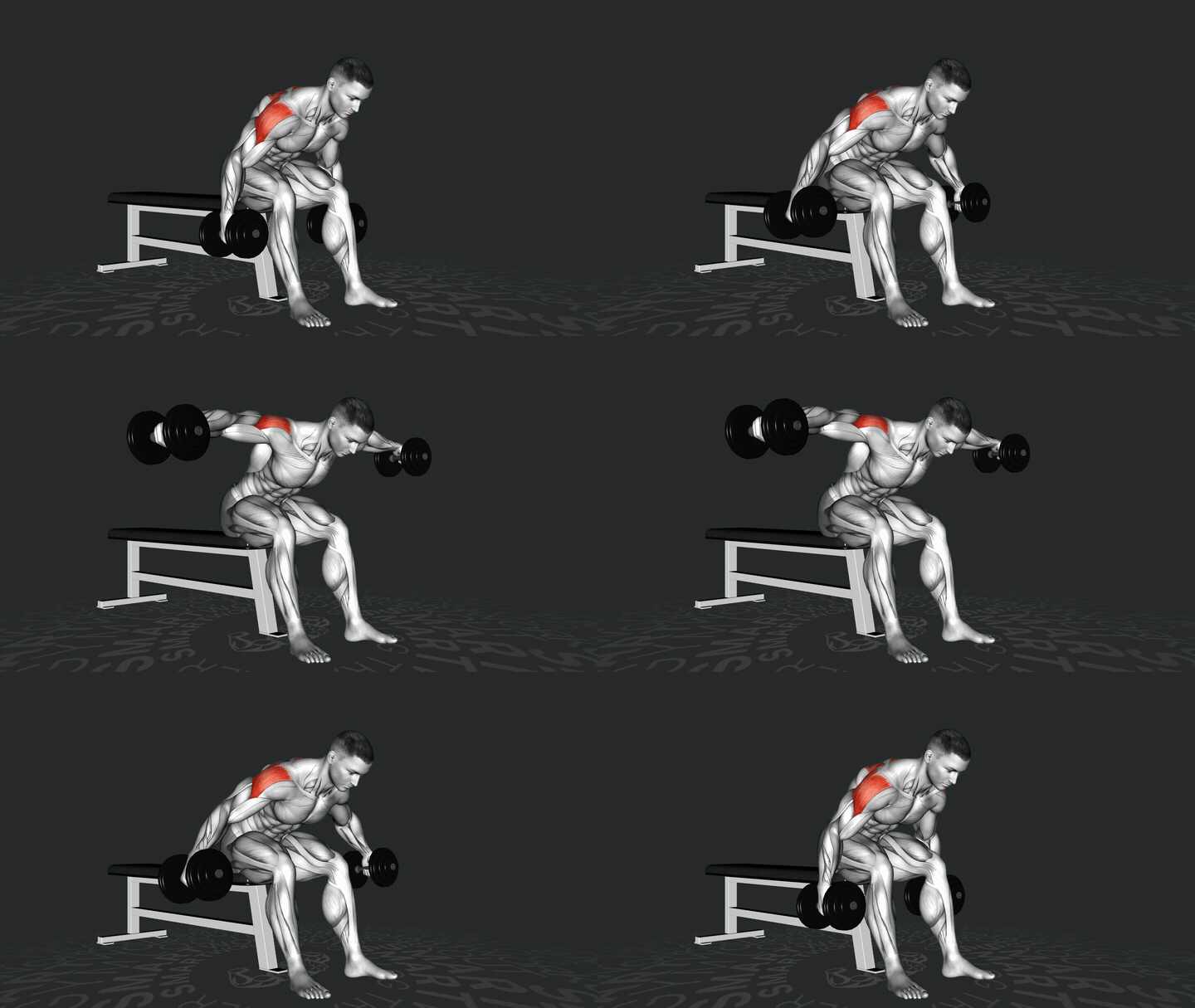
Bent-over lateral raises target the posterior deltoids, upper back, and trapezius muscles. This exercise is performed by bending at the hips with a neutral spine and lifting weights to the side, focusing on shoulder abduction.
exercise_detail.how_to_perform
- Stand with feet shoulder-width apart and hold a dumbbell in each hand.
- Bend at the hips, keeping your back straight and knees slightly bent, until your torso is nearly parallel to the floor.
- Let the dumbbells hang directly below your shoulders with palms facing each other.
- Engage your core and keep your neck in line with your spine.
- Raise the dumbbells out to the sides until your arms are parallel to the floor, keeping a slight bend in your elbows.
- Pause briefly at the top of the movement, then slowly lower the weights back to the starting position.
- Repeat for the desired number of repetitions.
exercise_detail.what_muscles_work
exercise_detail.primary_muscle:
exercise_detail.secondary_muscles:
exercise_detail.tips
- Maintain a neutral spine throughout the exercise to avoid strain on your lower back.
- Focus on squeezing your shoulder blades together at the top of the movement for maximum engagement of the upper back muscles.
- Control the descent of the weights to maximize muscle tension and prevent injury.
- Keep your movements slow and controlled; avoid using momentum to lift the weights.
- Ensure that your head remains in a neutral position by looking at a spot on the floor a few feet in front of you.
exercise_detail.common_mistakes
- Rounding the back instead of maintaining a neutral spine.
- Using momentum by swinging the body or arms.
- Lifting the dumbbells too high, causing shoulder impingement.
- Allowing the elbows to drop below the wrists during the lift.
- Failing to engage the core for stability.
- Not keeping the head in line with the spine, leading to neck strain.
- Starting the movement with the arms straight instead of slightly bent.
- Letting the shoulders shrug upward instead of staying down and back.
- Performing the exercise too quickly, sacrificing control.
- Not keeping the feet shoulder-width apart for a stable base.
exercise_detail.recommended_exercises
exercise_detail.recommended_exercises_intro
exercise_detail.app_ad.title
exercise_detail.app_ad.description