One-Arm Dumbbell Supported Bent Over Lateral Raise
enums.exercise_tag.STRENGTHenums.exercise_tag.PULL
exercise_detail.body_part: enums.body_part.SHOULDERS
exercise_detail.description
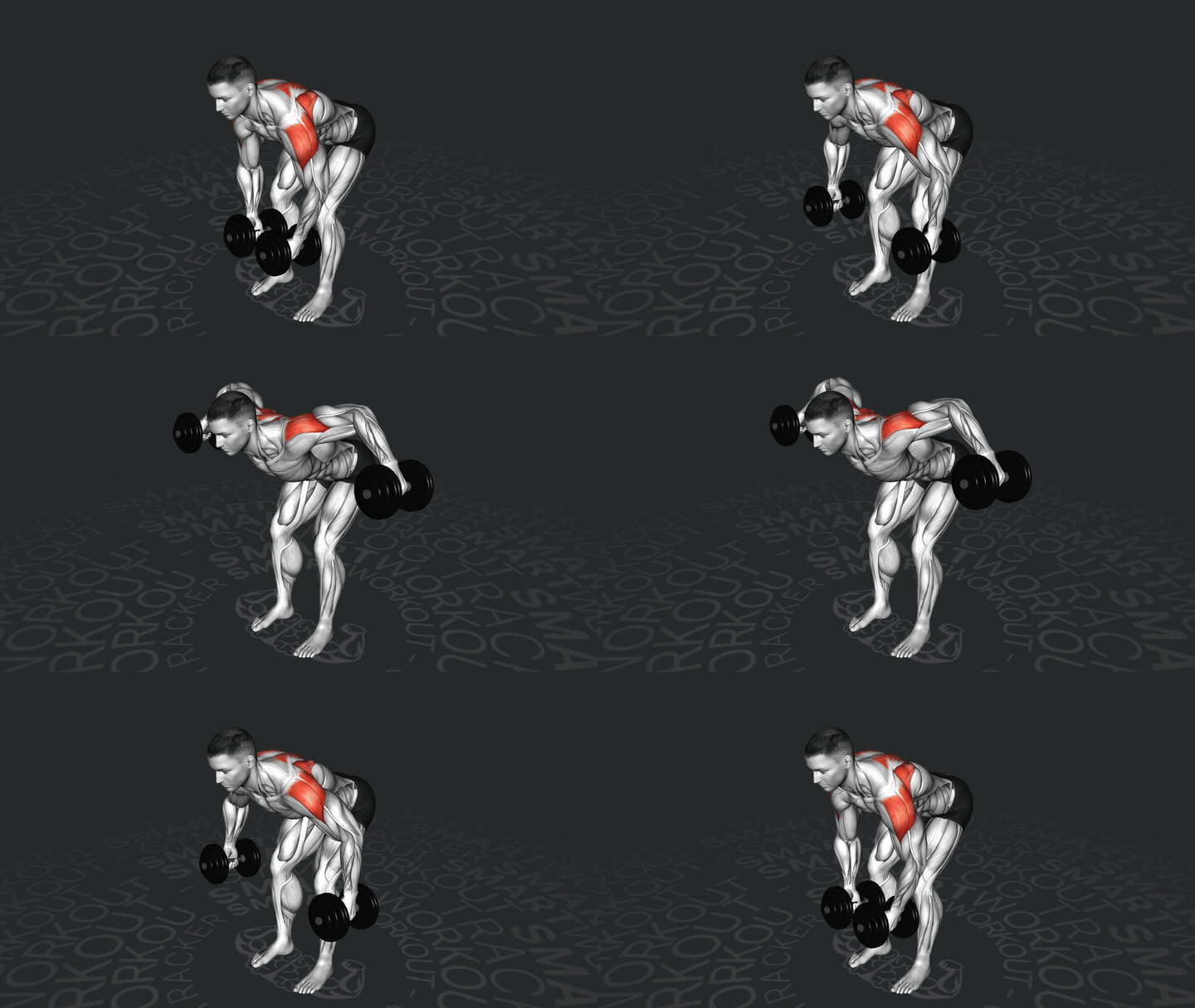
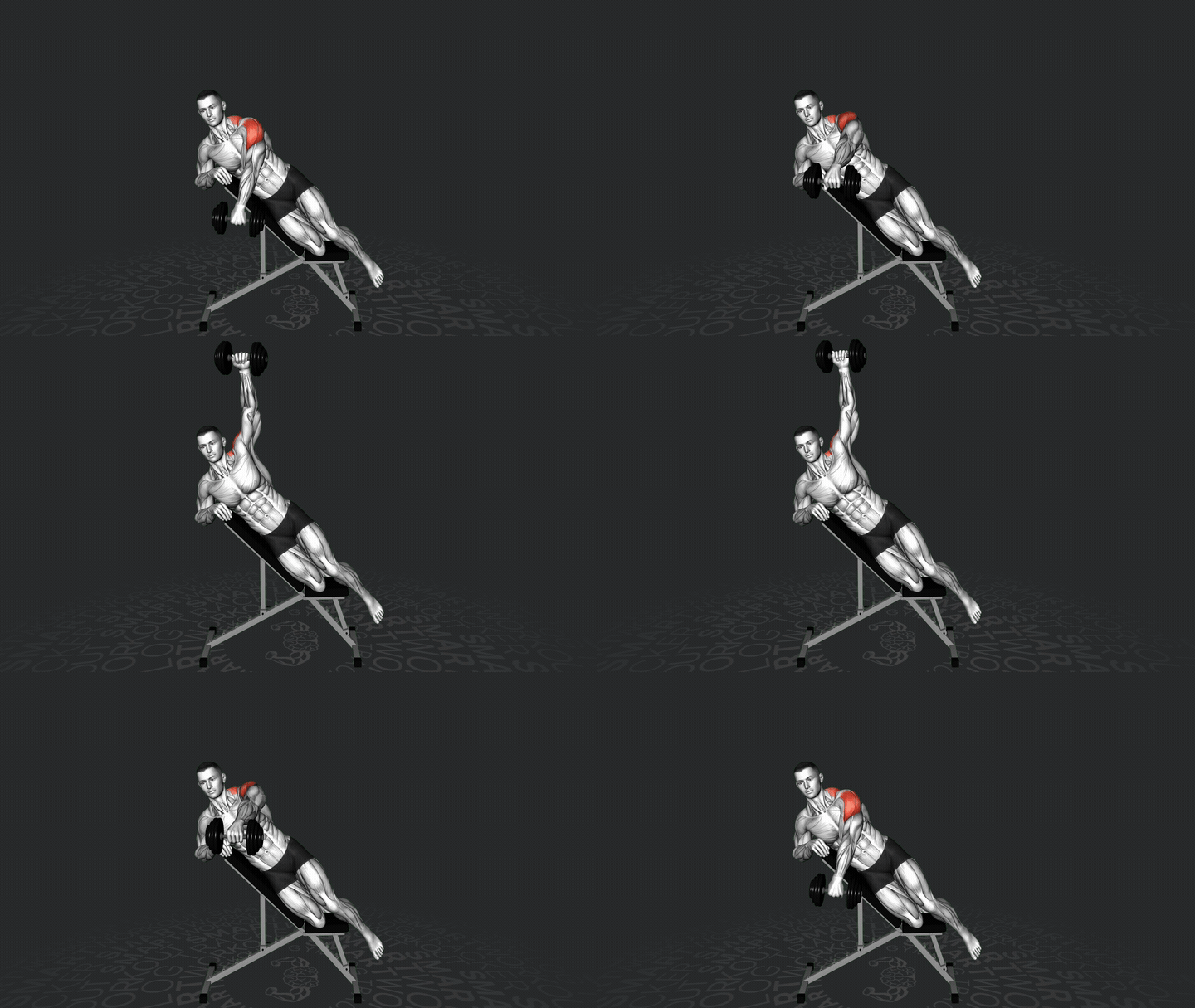
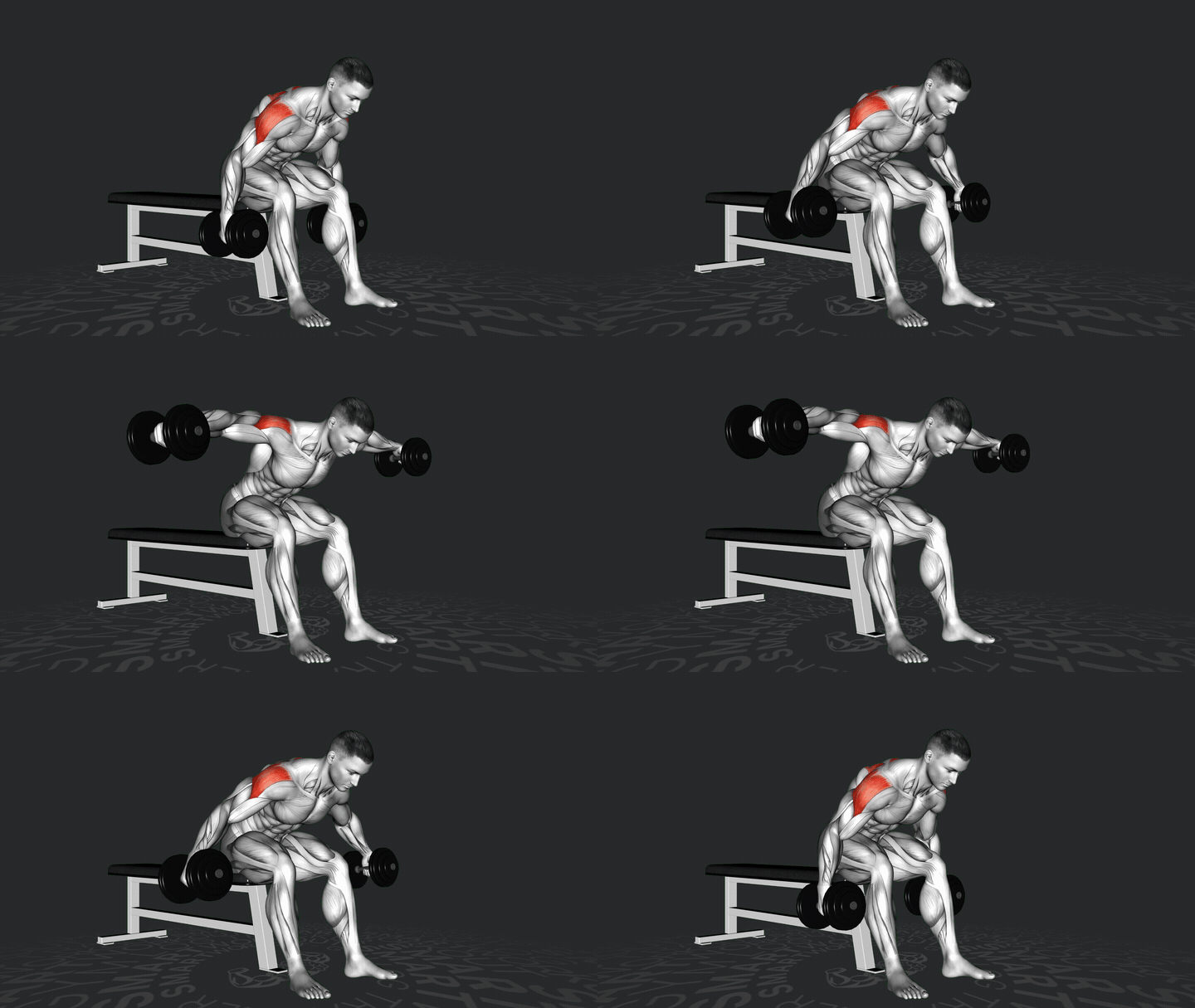
The One-Arm Dumbbell Supported Bent Over Lateral Raise is an isolation exercise targeting the posterior deltoids. It involves bending over at the hips with one hand supported on a bench or stable surface, while the other arm lifts a dumbbell laterally to shoulder height. This exercise helps in developing shoulder stability and strength, particularly in the rear deltoids.
exercise_detail.how_to_perform
- Start by standing beside a bench or stable surface with your feet shoulder-width apart.
- Hold a dumbbell in one hand with a neutral grip, palm facing inward.
- Bend at the hips until your torso is nearly parallel to the floor, keeping your back straight.
- Place your non-working hand on the bench for support.
- With a slight bend in your elbow, raise the dumbbell laterally to shoulder height.
- Pause briefly at the top of the movement, then slowly lower the dumbbell back to the starting position.
- Repeat for the desired number of repetitions before switching arms.
exercise_detail.what_muscles_work
exercise_detail.primary_muscle:
exercise_detail.secondary_muscles:
exercise_detail.tips
- Maintain a straight back throughout the exercise to avoid strain.
- Focus on lifting with your shoulder rather than your arm to effectively target the rear deltoid.
- Control the movement and avoid using momentum to lift the dumbbell.
- Keep your core engaged to maintain stability and balance during the exercise.
- Ensure your head is aligned with your spine by looking at a spot on the floor slightly ahead of you.
exercise_detail.common_mistakes
- Using too much weight, leading to swinging and momentum instead of controlled movement.
- Not keeping the back flat, resulting in rounding and potential strain on the lower back.
- Allowing the supporting arm to lock out completely, reducing stability and control.
- Raising the dumbbell too high, causing engagement of the upper traps instead of the rear deltoids.
- Not maintaining a slight bend in the elbow, which can lead to joint strain.
- Failing to keep the neck in a neutral position, leading to unnecessary tension.
- Neglecting to engage the core, compromising balance and stability.
- Lifting the dumbbell with the palm facing down, which can reduce rear deltoid activation.
- Allowing the shoulder blade to move excessively, which reduces isolation of the target muscle.
- Performing the exercise too quickly, sacrificing muscle engagement for speed.
exercise_detail.recommended_exercises
exercise_detail.recommended_exercises_intro
exercise_detail.app_ad.title
exercise_detail.app_ad.description