Straddle Planche
StrengthCoreBalanceIsometric
Track this exercise in SmartWorkout
Log sets, weights and progress for free, with no workout limits.


Body Part: Shoulders
Description
The Straddle Planche is an advanced bodyweight exercise that requires significant strength, balance, and coordination. It involves holding the body parallel to the ground with arms straight and legs spread apart, supported only by the hands. This exercise primarily targets the shoulders, core, and lower back muscles.
How to Perform
- Begin in a push-up position with your hands shoulder-width apart.
- Shift your weight forward onto your hands, keeping your arms straight.
- Engage your core and lift your legs off the ground, spreading them apart into a straddle position.
- Maintain a straight line from your head to your toes, keeping your body parallel to the ground.
- Hold the position for as long as possible while maintaining proper form.
- Slowly lower your legs back to the ground to return to the starting position.
What Muscles Work
Primary Muscle:
Secondary Muscles:
Tips
- Ensure your wrists are directly under your shoulders for optimal support.
- Keep your core tight to maintain balance and prevent sagging.
- Start with tuck planche progressions if you are new to planche exercises.
- Practice regularly to build the necessary strength and balance for this advanced move.
- Focus on controlled breathing to help maintain stability during the hold.
- Consider using parallettes for better wrist comfort and leverage.
Common Mistakes
- Hips too high, creating a pike position instead of a flat body line.
- Elbows bent, reducing stability and increasing strain on the joints.
- Shoulders not protracted, leading to poor scapular engagement.
- Feet too close together, losing the straddle position and balance.
- Core not engaged, causing sagging in the lower back.
- Wrists not aligned under shoulders, compromising balance and control.
- Lack of forward lean, preventing proper weight distribution.
- Knees bent, disrupting the straight leg alignment necessary for the exercise.
- Inadequate tension in the legs, reducing overall body rigidity.
Recommended Exercises
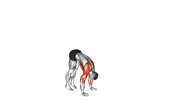
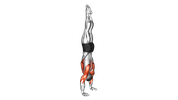
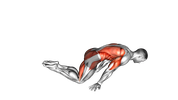
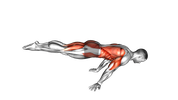
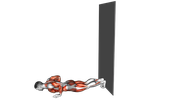
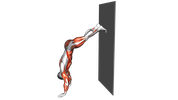
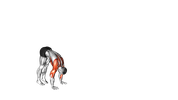
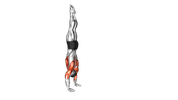
Explore exercises related to Straddle Planche for shoulders training and similar movement patterns.
Choose a workout plan or create your own for free
Ready-made plans for every goal, a free plan creator, hundreds of exercises and an advanced workout journal: all in SmartWorkout.
Start with a free plan. Keep progressing with SmartWorkout.
- users
- 200k+
- exercises with technique guides
- 1,000+
- workouts on the free plan
- ∞