Pike Push-Up Between Chairs
StrengthBalancePush
Track this exercise in SmartWorkout
Log sets, weights and progress for free, with no workout limits.


Body Part: Shoulders
Description
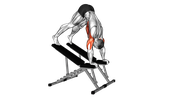
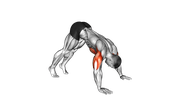
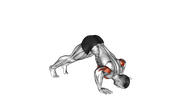
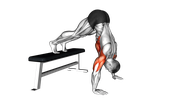
The Pike Push Up Between Chairs is an advanced bodyweight exercise targeting the shoulders, triceps, and upper chest. It involves elevating your hands and feet on chairs, creating a pike position to increase the range of motion and intensity. This exercise requires significant shoulder strength and stability.
How to Perform
- Place two sturdy chairs shoulder-width apart for your hands and one chair behind you for your feet.
- Position yourself in a pike position with your hands on the chairs and your feet elevated on the third chair.
- Ensure your body forms an inverted V shape with hips raised high.
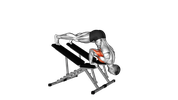
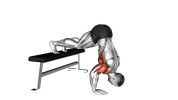
- Lower your head towards the ground by bending your elbows, keeping them slightly flared out.
- Pause briefly when your head is close to the floor, then push through your palms to return to the starting position.
- Maintain a neutral neck position throughout the movement.
What Muscles Work
Primary Muscle:
Secondary Muscles:
Tips
- Keep your core engaged to maintain balance and stability.
- Focus on controlled movements to maximize muscle engagement.
- Ensure the chairs are stable and won't slip during the exercise.
- If you're new to this exercise, start with lower elevation or perform regular pike push-ups on the floor.
- Breathe in as you lower down and exhale as you push back up.
- Keep your elbows slightly bent at the top of the movement to maintain tension in the muscles.
Common Mistakes
- Feet positioned too far forward or backward, disrupting balance and reducing effectiveness.
- Hands placed too wide or too narrow on the chairs, leading to poor shoulder engagement.
- Head dropping too low, causing neck strain and loss of alignment.
- Hips not elevated high enough, reducing shoulder activation.
- Elbows flaring out excessively, increasing shoulder strain.
- Insufficient range of motion, limiting muscle engagement.
- Rushing through the movement, compromising control and form.
- Core not engaged, leading to sagging hips and poor stability.
- Failing to keep a straight line from hips to head, affecting posture and effectiveness.
Recommended Exercises
Explore exercises related to Pike Push-Up Between Chairs for shoulders training and similar movement patterns.
Choose a workout plan or create your own - for free
Ready-made plans for every goal, a free plan creator, hundreds of exercises and an advanced workout journal - all in SmartWorkout.