Weighted Woodchopper
StrengthCoreFunctional
Track Weighted Woodchopper in SmartWorkout and watch your numbers go up
Log sets, weights and progress for free, with no workout limits.


Body Part: Shoulders
Description
The Weighted Woodchopper is a dynamic exercise that targets the core, particularly the obliques, while also engaging the shoulders and hips. It mimics the motion of chopping wood, involving a rotational movement that enhances functional strength and stability.
How to Perform
- Stand with feet shoulder-width apart, holding a weight (dumbbell or medicine ball) with both hands.
- Start with the weight positioned near one shoulder, keeping your arms slightly bent.
- Engage your core and rotate your torso as you bring the weight diagonally across your body towards the opposite hip.
- Allow your hips and knees to pivot naturally as you perform the movement.
- Reverse the motion, bringing the weight back to the starting position near your shoulder.
- Repeat for the desired number of repetitions before switching sides.
What Muscles Work
Primary Muscle:
Secondary Muscles:
Tips
- Maintain a strong core throughout the exercise to protect your lower back.
- Focus on controlled movements rather than speed to maximize muscle engagement.
- Ensure your knees and hips pivot smoothly to avoid unnecessary strain.
- Start with a lighter weight to master the form before progressing to heavier weights.
- Keep your shoulders relaxed and avoid shrugging them during the movement.
- Breathe out as you chop downwards and inhale as you return to the starting position.
Common Mistakes
- Rotating at the hips instead of the torso, reducing core engagement.
- Using the arms to lift the weight instead of engaging the core.
- Allowing the knees to collapse inward during the movement.
- Failing to maintain a neutral spine, leading to poor posture.
- Swinging the weight too quickly, compromising control.
- Not completing the full range of motion, limiting effectiveness.
- Holding the breath instead of maintaining a steady breathing pattern.
- Twisting the knees excessively, increasing injury risk.
- Starting with too heavy a weight, causing form breakdown.
- Leaning too far forward or backward, affecting balance and stability.
Recommended Exercises
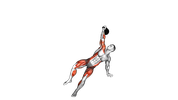
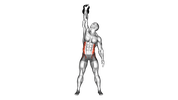
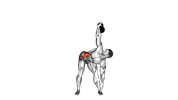
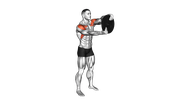
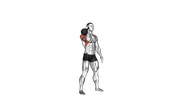
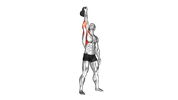
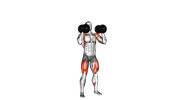
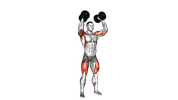
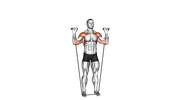
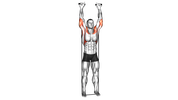
Explore exercises related to Weighted Woodchopper for shoulders training and similar movement patterns.
Choose a workout plan or create your own - for free
Ready-made plans for every goal, a free plan creator, hundreds of exercises and an advanced workout journal - all in SmartWorkout.