T-Bar Bent Over Row
enums.exercise_tag.STRENGTHenums.exercise_tag.PULL
exercise_detail.body_part: enums.body_part.BACK
exercise_detail.description
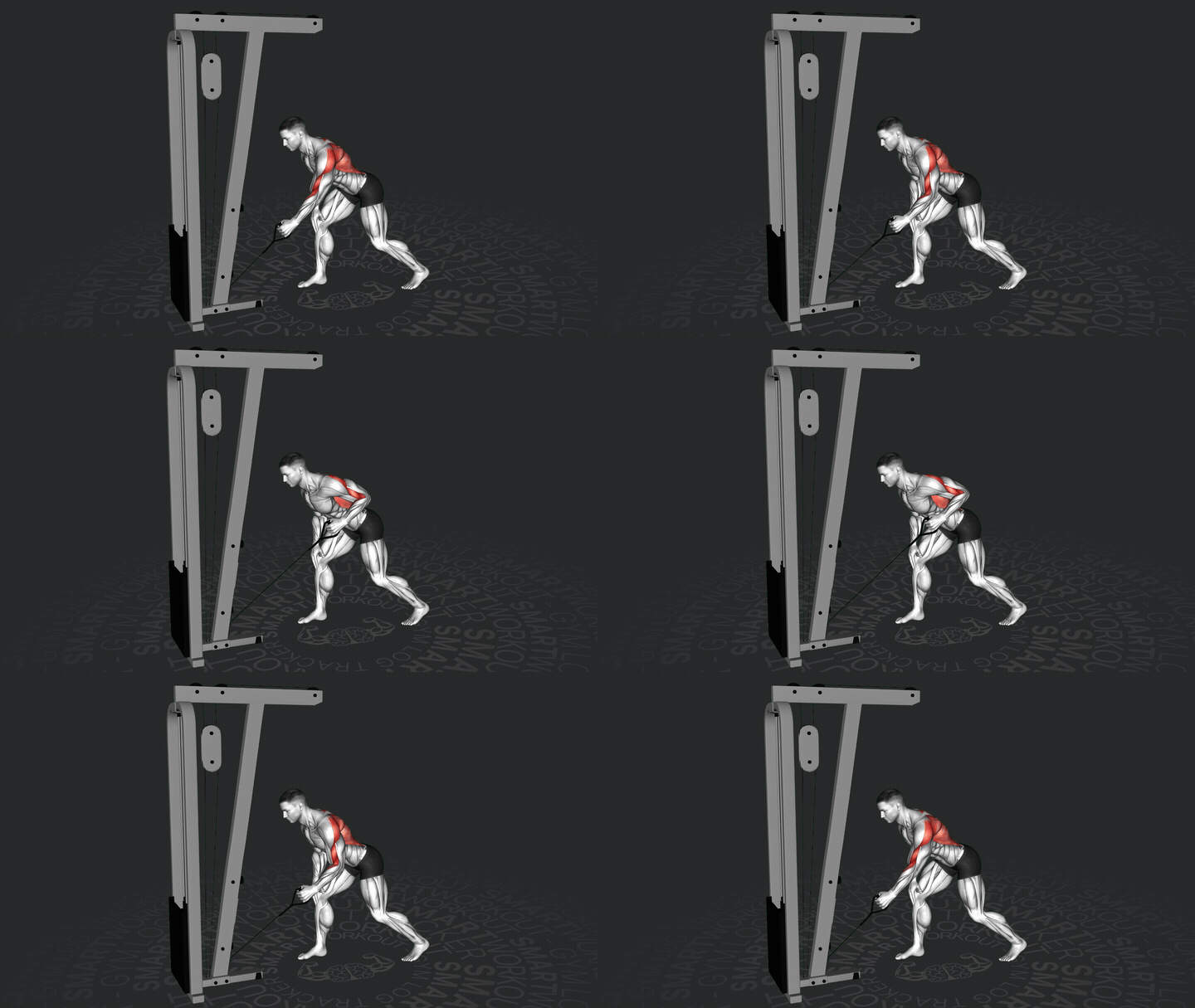
The T-Bar Bent Over Row is a compound exercise targeting the muscles of the back, including the latissimus dorsi, rhomboids, and trapezius. It also engages the biceps and core for stabilization. This exercise is performed using a T-bar row machine or a barbell with a landmine attachment.
exercise_detail.how_to_perform
- Load the desired weight onto the T-bar or barbell.
- Stand with your feet shoulder-width apart, knees slightly bent.
- Hinge at the hips to bend forward, keeping your back straight and chest up.
- Grip the handles of the T-bar or barbell with both hands, palms facing each other.
- Engage your core and pull the weight towards your lower chest by retracting your shoulder blades.
- Pause briefly at the top of the movement, squeezing your back muscles.
- Slowly lower the weight back to the starting position while maintaining control.
- Repeat for the desired number of repetitions.
exercise_detail.what_muscles_work
exercise_detail.primary_muscle:
exercise_detail.secondary_muscles:
exercise_detail.tips
- Keep your back straight and avoid rounding your shoulders to prevent injury.
- Focus on pulling with your back muscles rather than your arms to maximize effectiveness.
- Maintain a slight bend in your knees to support your lower back.
- Control the weight throughout the movement to ensure proper form and muscle engagement.
- Breathe out as you pull the weight up and inhale as you lower it down.
- Start with a lighter weight to master form before progressing to heavier loads.
exercise_detail.common_mistakes
- Rounding the back instead of maintaining a neutral spine.
- Using momentum to lift the weight instead of controlled movement.
- Allowing the elbows to flare out too much, reducing lat engagement.
- Standing too upright, minimizing the range of motion.
- Gripping the bar too wide, leading to shoulder strain.
- Not engaging the core, causing instability during the lift.
- Pulling the bar to the chest instead of the lower ribcage.
- Neglecting to retract the shoulder blades at the top of the movement.
- Allowing the knees to lock, reducing lower body support.
- Lifting the head up excessively, causing neck strain.
exercise_detail.recommended_exercises
exercise_detail.recommended_exercises_intro
exercise_detail.app_ad.title
exercise_detail.app_ad.description