Spider Hammer Curl
enums.exercise_tag.STRENGTHenums.exercise_tag.PULL
exercise_detail.body_part: enums.body_part.BICEPS
exercise_detail.description
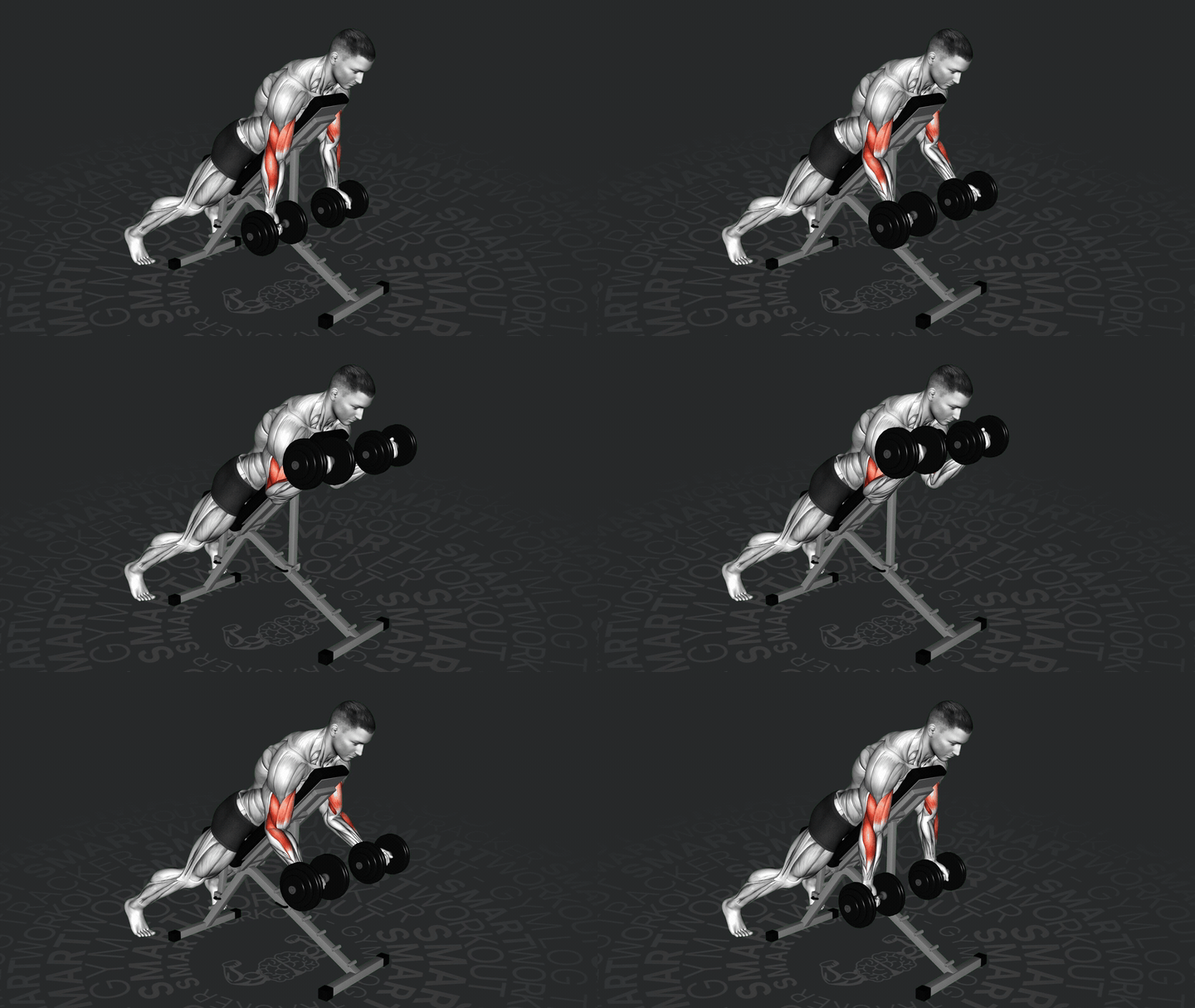
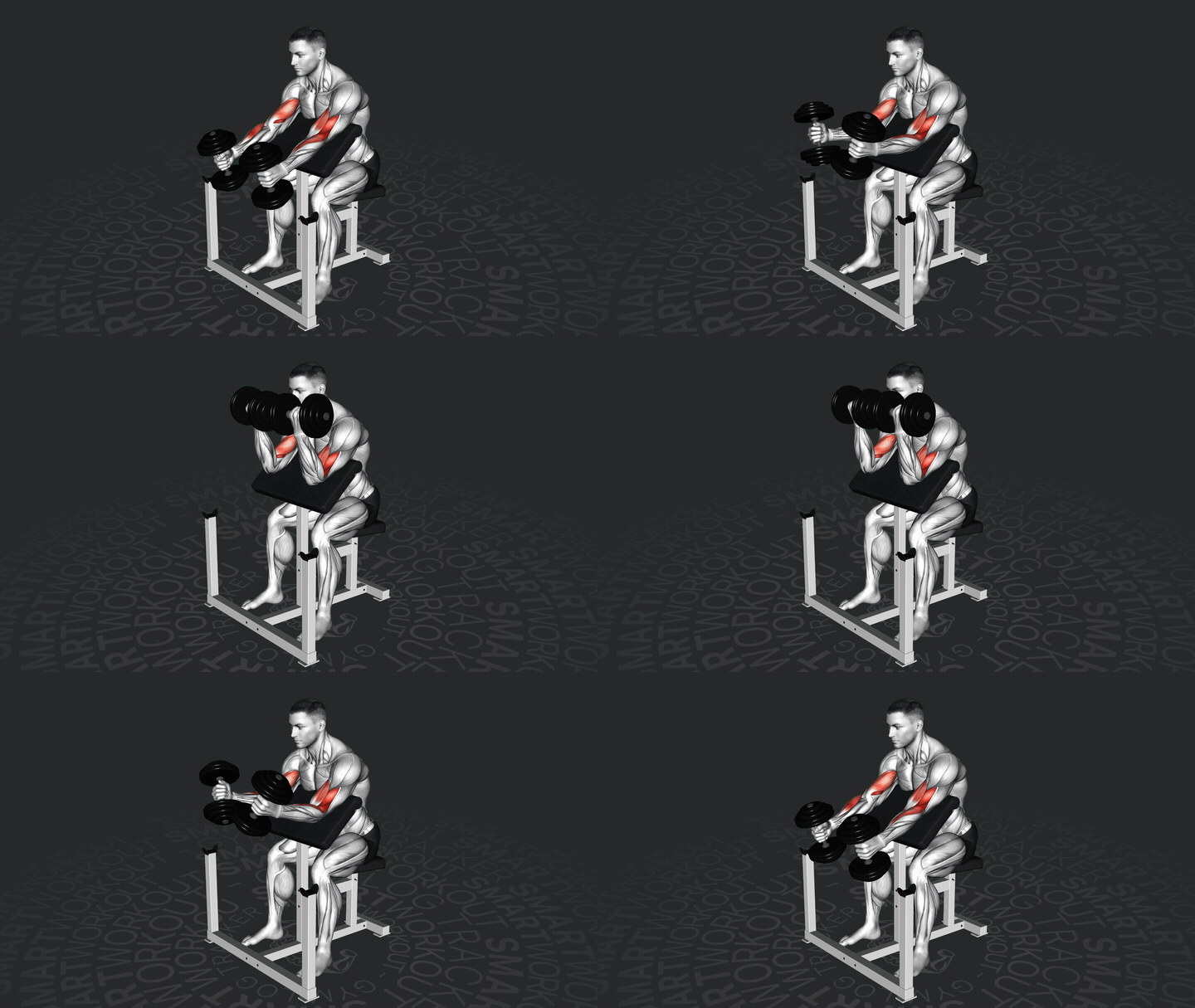
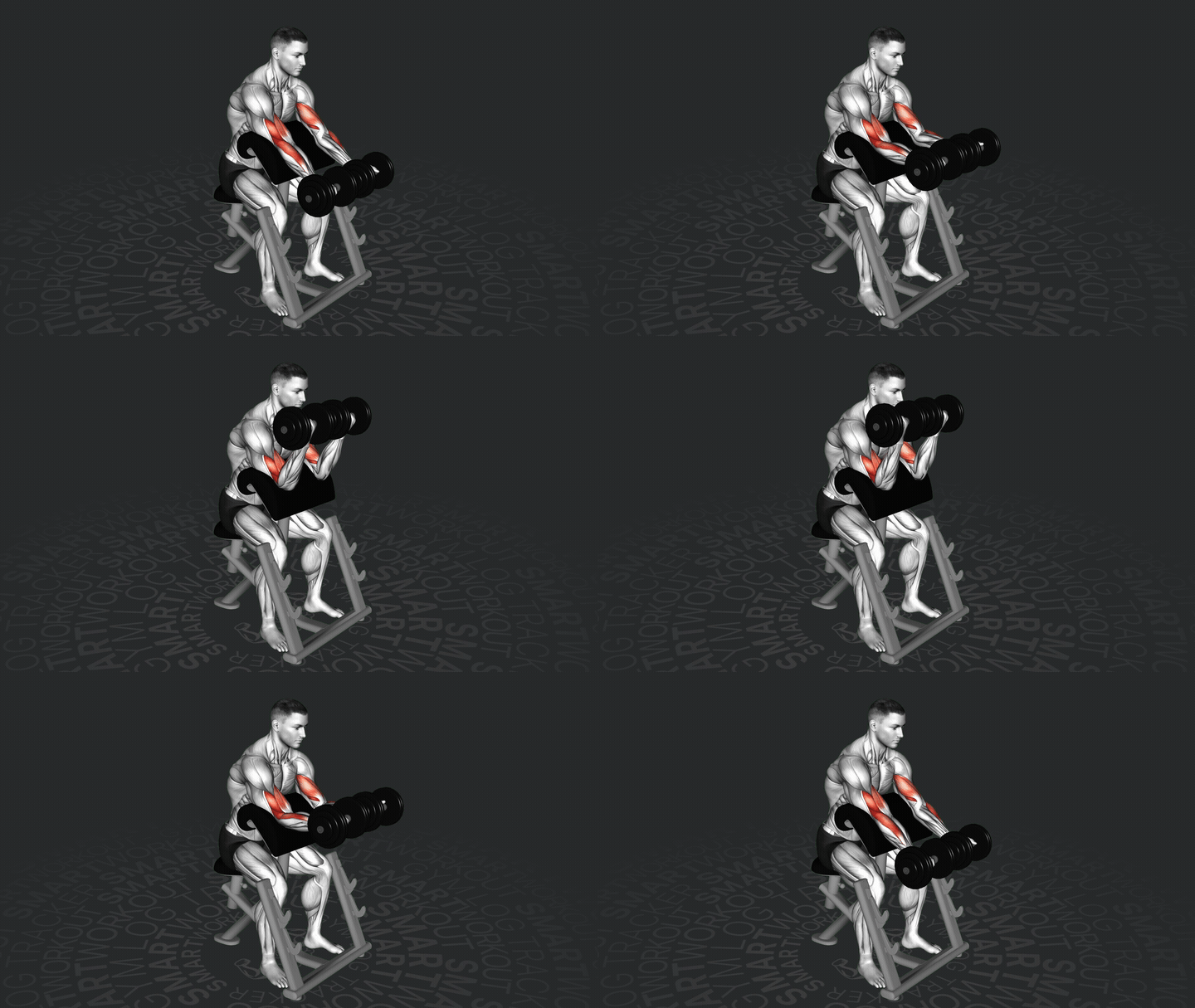
The Spider Hammer Curl is an isolation exercise targeting the brachialis and brachioradialis muscles in the arms. It involves curling dumbbells with a neutral grip while leaning forward, typically performed on an incline bench. This exercise enhances arm thickness and forearm strength.
exercise_detail.how_to_perform
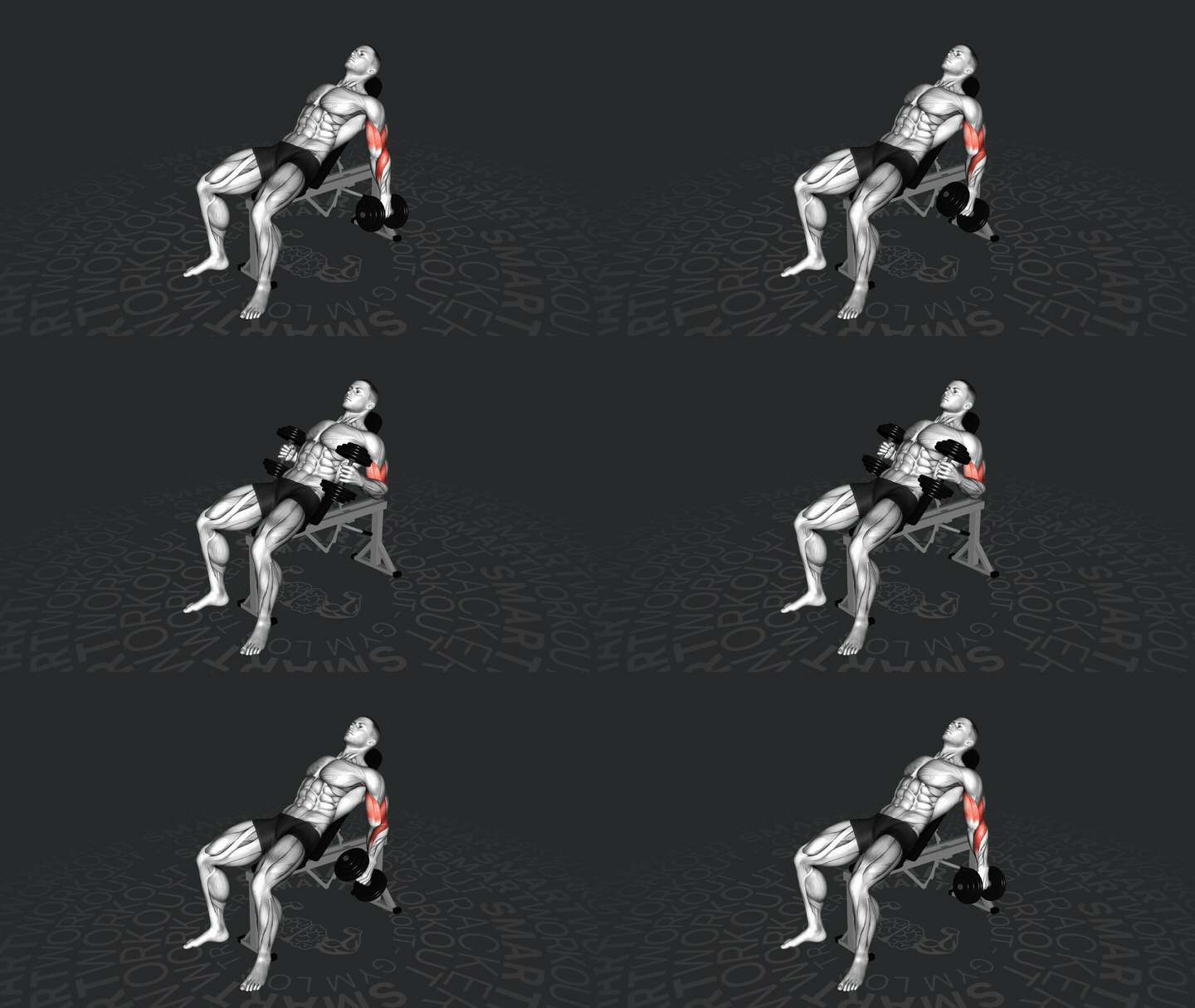
- Set an incline bench to a 45-degree angle.
- Lie face down on the bench, ensuring your chest is supported and your arms hang straight down.
- Hold a dumbbell in each hand with a neutral grip (palms facing each other).
- Keep your elbows slightly bent and stationary throughout the movement.
- Curl the dumbbells upward by flexing your elbows, keeping your wrists straight.
- Squeeze at the top of the movement, focusing on contracting the brachialis.
- Slowly lower the dumbbells back to the starting position.
- Repeat for the desired number of repetitions.
exercise_detail.what_muscles_work
exercise_detail.primary_muscle:
exercise_detail.secondary_muscles:
exercise_detail.tips
- Maintain a controlled motion to maximize muscle engagement.
- Avoid swinging your arms or using momentum to lift the weights.
- Focus on keeping your elbows stationary to isolate the target muscles effectively.
- Exhale as you curl the weights up and inhale as you lower them back down.
- Start with lighter weights to ensure proper form before progressing to heavier loads.
- Ensure your chest remains in contact with the bench to prevent unnecessary strain on your back.
exercise_detail.common_mistakes
- Swinging the body to lift the weights instead of isolating the biceps.
- Allowing the elbows to drift forward or backward, reducing bicep engagement.
- Using a grip that is too tight, causing unnecessary forearm tension.
- Not fully extending the arms at the bottom, limiting range of motion.
- Curling the wrists at the top of the movement, shifting focus away from the biceps.
- Rushing through the movement, sacrificing control and muscle engagement.
- Lifting weights that are too heavy, compromising form and increasing injury risk.
- Failing to maintain a neutral spine, leading to poor posture and potential back strain.
exercise_detail.recommended_exercises
exercise_detail.recommended_exercises_intro
exercise_detail.app_ad.title
exercise_detail.app_ad.description