Decline Barbell Bench Press
StrengthPush
Track Decline Barbell Bench Press in SmartWorkout and watch your numbers go up
Log sets, weights and progress for free, with no workout limits.


Body Part: Chest
Description
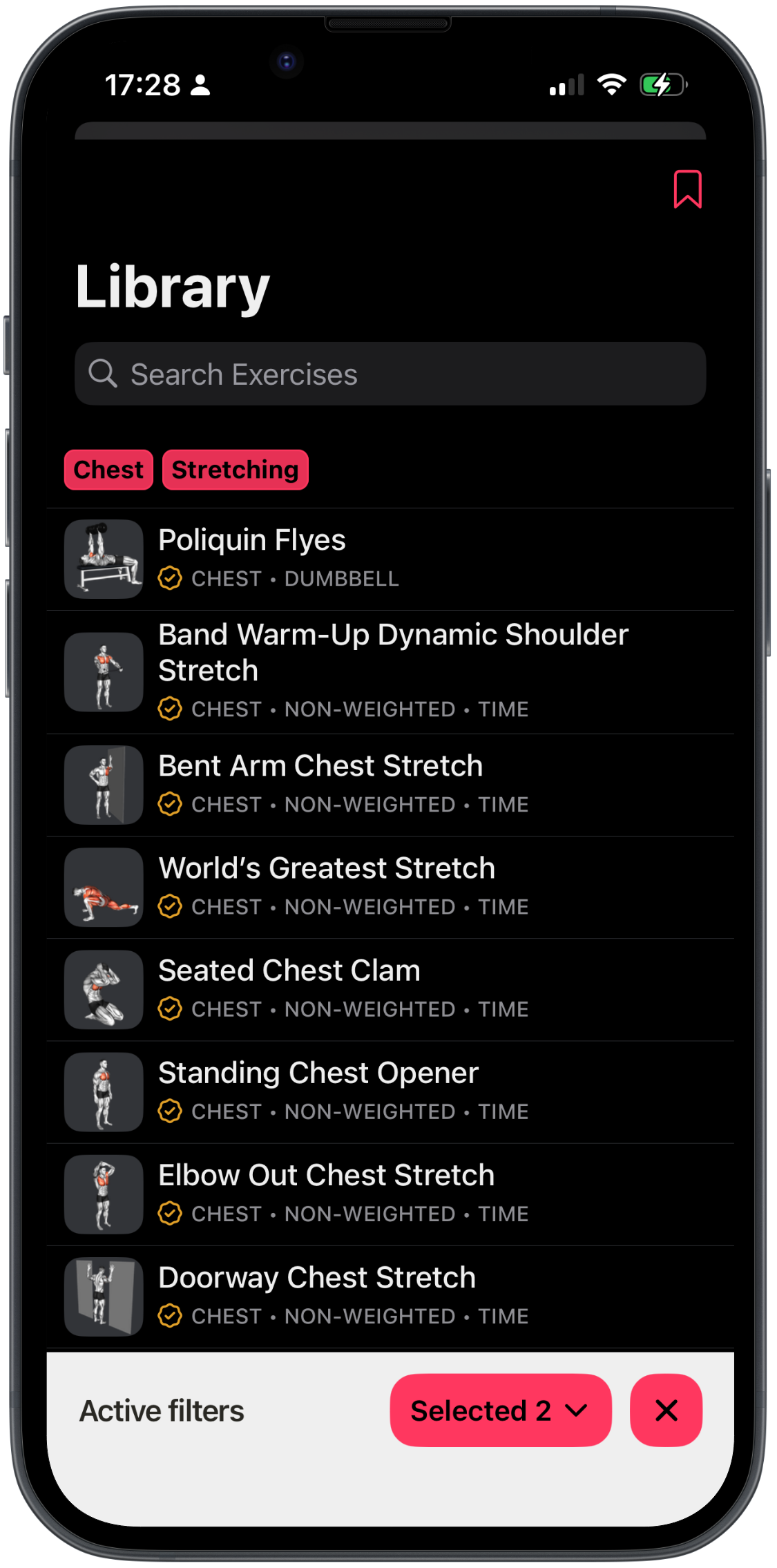
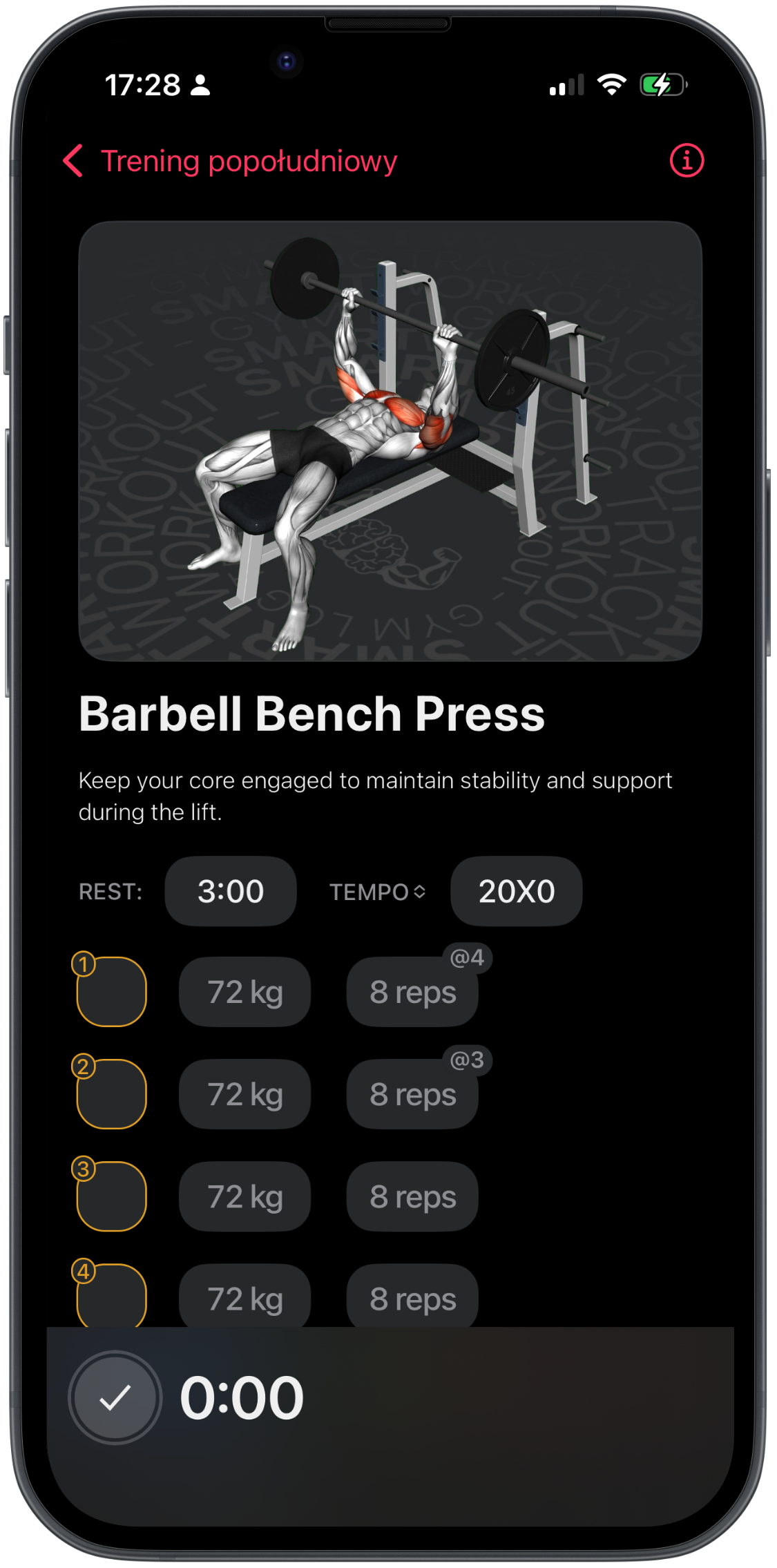
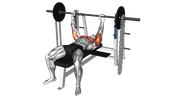
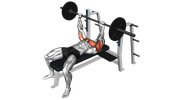
The Decline Barbell Bench Press is a compound exercise targeting the lower portion of the pectoral muscles, triceps, and anterior deltoids. It is performed on a decline bench, which positions the body at a downward angle, emphasizing the lower chest.
How to Perform
- Set the decline bench to an angle of about 15 to 30 degrees.
- Lie back on the bench with your feet secured under the foot pads.
- Grip the barbell slightly wider than shoulder-width apart.
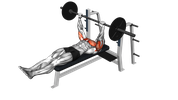
- Unrack the barbell and hold it above your chest with arms fully extended.
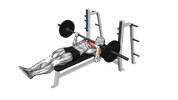
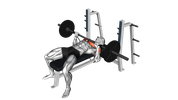
- Lower the barbell slowly to your lower chest, keeping elbows at a 45-degree angle to your torso.
- Pause briefly at the bottom of the movement.
- Press the barbell back up to the starting position by extending your arms.
- Repeat for the desired number of repetitions.
What Muscles Work
Primary Muscle:
Secondary Muscles:
Tips
- Ensure your feet are firmly secured under the foot pads to maintain stability.
- Keep your core engaged throughout the exercise to support your lower back.
- Maintain a controlled tempo; avoid bouncing the bar off your chest.
- Focus on squeezing your chest muscles as you press the barbell upwards.
- Exhale as you press up and inhale as you lower the barbell.
- Start with a lighter weight to master form before progressing to heavier loads.
Common Mistakes
- Arching the back excessively, reducing stability and control.
- Allowing the bar to drift too far forward or backward, compromising balance.
- Failing to engage the core, leading to a lack of support and potential strain.
- Lowering the bar too quickly, risking loss of control.
- Not maintaining a firm grip, which can lead to bar slippage.
- Flaring the elbows out too wide, increasing shoulder strain.
- Not bringing the bar to the lower chest, affecting range of motion.
- Bouncing the bar off the chest, reducing muscle engagement.
- Neglecting to retract the shoulder blades, leading to poor shoulder positioning.
- Uneven pressing, causing imbalanced muscle activation.
Recommended Exercises
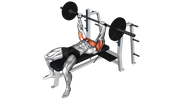
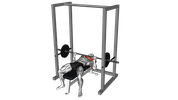
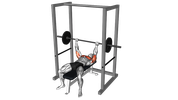
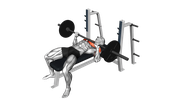
Explore exercises related to Decline Barbell Bench Press for chest training and similar movement patterns.
Choose a workout plan or create your own - for free
Ready-made plans for every goal, a free plan creator, hundreds of exercises and an advanced workout journal - all in SmartWorkout.