Pin Bench Press
StrengthPush
Track this exercise in SmartWorkout
Log sets, weights and progress for free, with no workout limits.


Body Part: Chest
Description
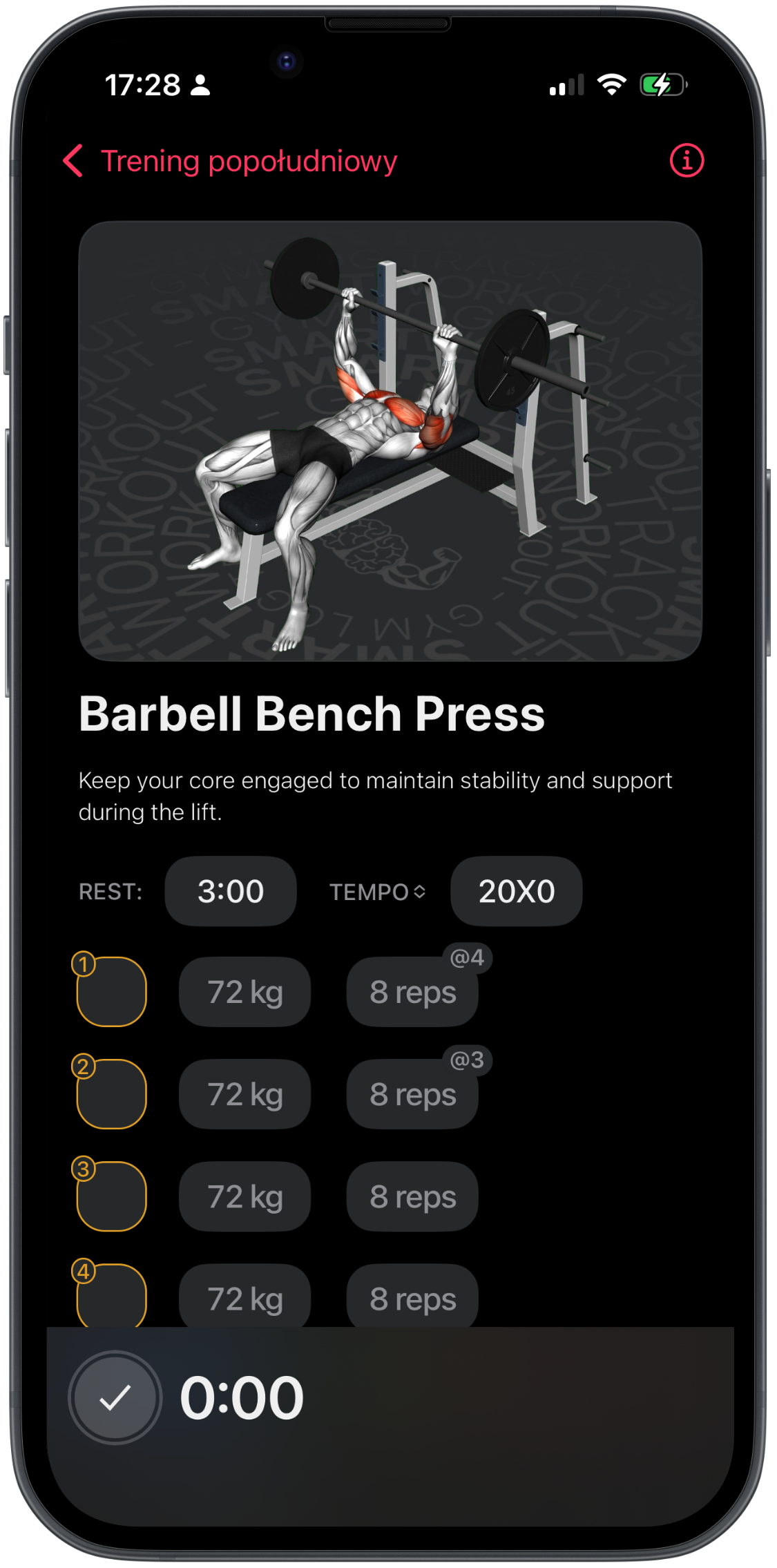
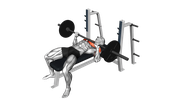
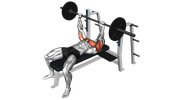
The Pin Bench Press is a variation of the traditional bench press where the barbell is pressed from a dead stop off safety pins set at a specific height. This exercise targets the chest, triceps, and shoulders, and is particularly useful for improving lockout strength and overcoming sticking points in the bench press.
How to Perform
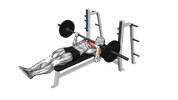
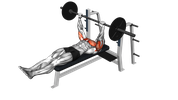
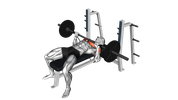
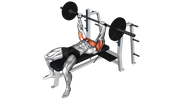
- Set up a flat bench inside a power rack and adjust the safety pins to the desired height, typically just above chest level.
- Lie on the bench with your eyes directly under the barbell. Ensure your feet are flat on the floor and your back is slightly arched.
- Grip the barbell with a slightly wider than shoulder-width grip, ensuring your wrists are straight and elbows are directly under the bar.
- Unrack the barbell and lower it slowly until it rests on the safety pins. Pause briefly to eliminate momentum.
- Press the barbell upwards explosively until your arms are fully extended.
- Lower the barbell back to the pins with control and repeat for the desired number of repetitions.
What Muscles Work
Primary Muscle:
Secondary Muscles:
Tips
- Ensure that the safety pins are set at a height that allows for a full range of motion without compromising form.
- Focus on maintaining tightness in your upper back and core throughout the movement to maximize power transfer.
- Use a controlled descent to avoid bouncing off the pins, which can lead to injury or poor form.
- Incorporate this exercise into your routine to specifically target weak points in your bench press lockout phase.
- Start with lighter weights to master technique before progressing to heavier loads.
Common Mistakes
- Setting the pins too high, limiting range of motion and reducing muscle engagement.
- Arching the lower back excessively, leading to poor form and potential strain.
- Failing to maintain shoulder blades retracted, causing shoulder instability.
- Using a grip that is too wide or too narrow, affecting leverage and muscle activation.
- Bouncing the bar off the pins, reducing control and increasing risk of joint stress.
- Not aligning the bar with the wrists and elbows, leading to inefficient pressing mechanics.
- Allowing elbows to flare out excessively, placing undue stress on the shoulders.
- Neglecting to engage the core, resulting in a lack of stability and power.
- Rushing the movement, compromising control and precision.
Recommended Exercises
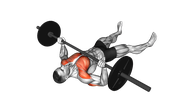
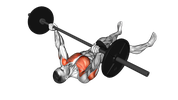
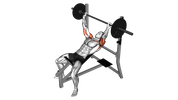
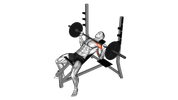
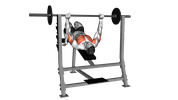
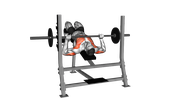
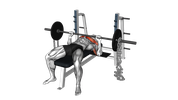
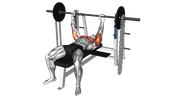
Explore exercises related to Pin Bench Press for chest training and similar movement patterns.
Choose a workout plan or create your own - for free
Ready-made plans for every goal, a free plan creator, hundreds of exercises and an advanced workout journal - all in SmartWorkout.