Incline Barbell Bench Press
enums.exercise_tag.STRENGTHenums.exercise_tag.PUSH
exercise_detail.body_part: enums.body_part.CHEST
exercise_detail.description
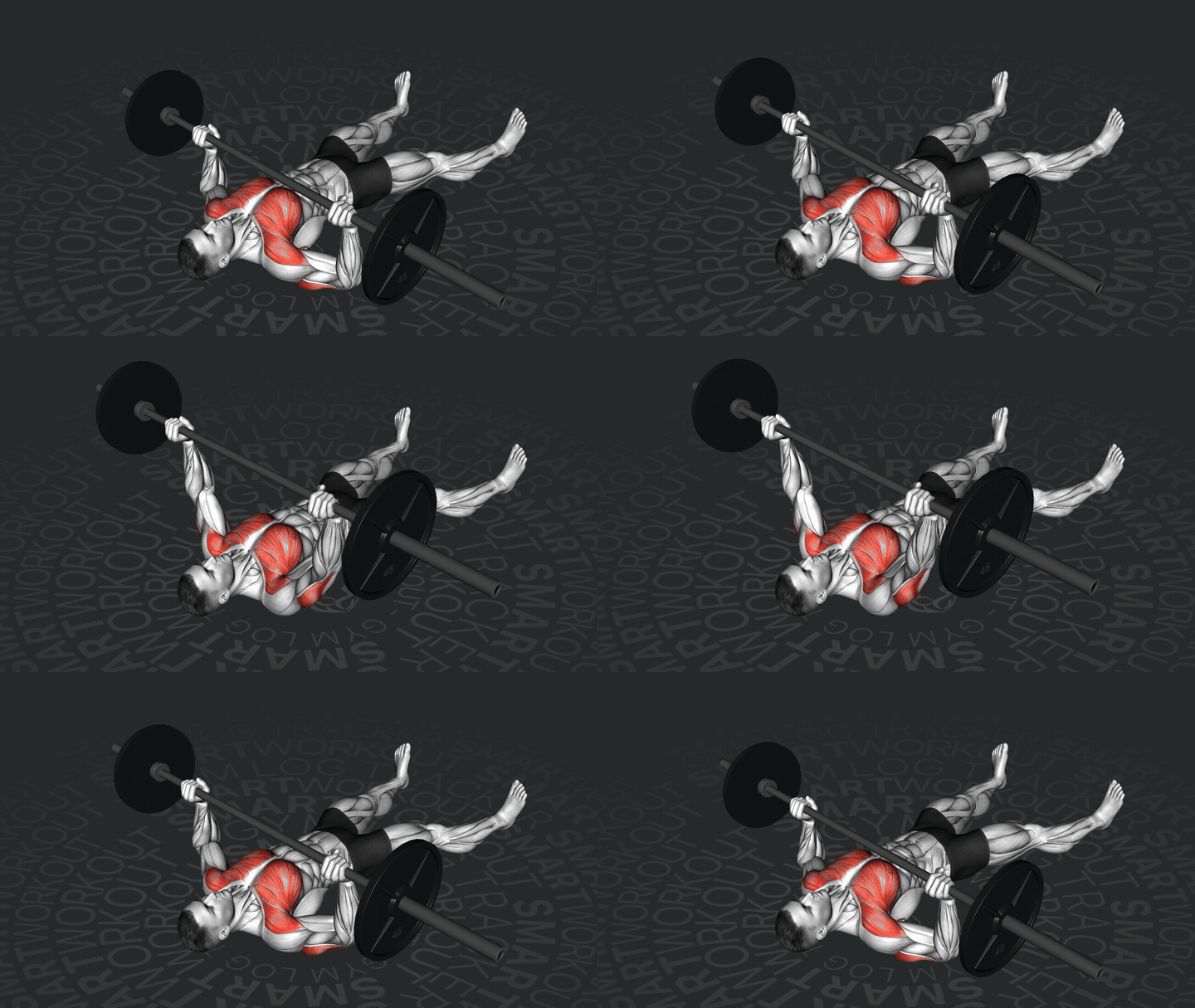
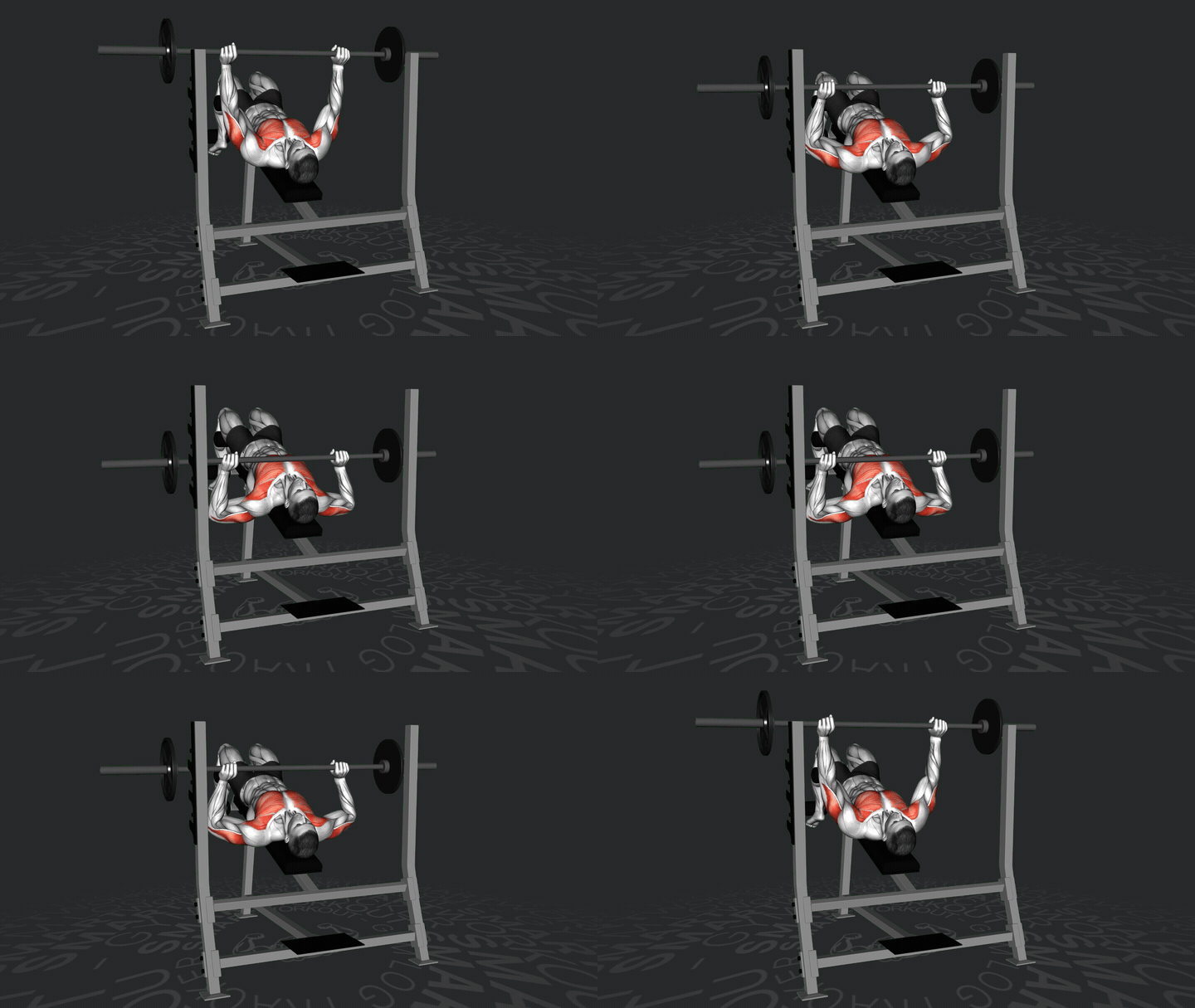
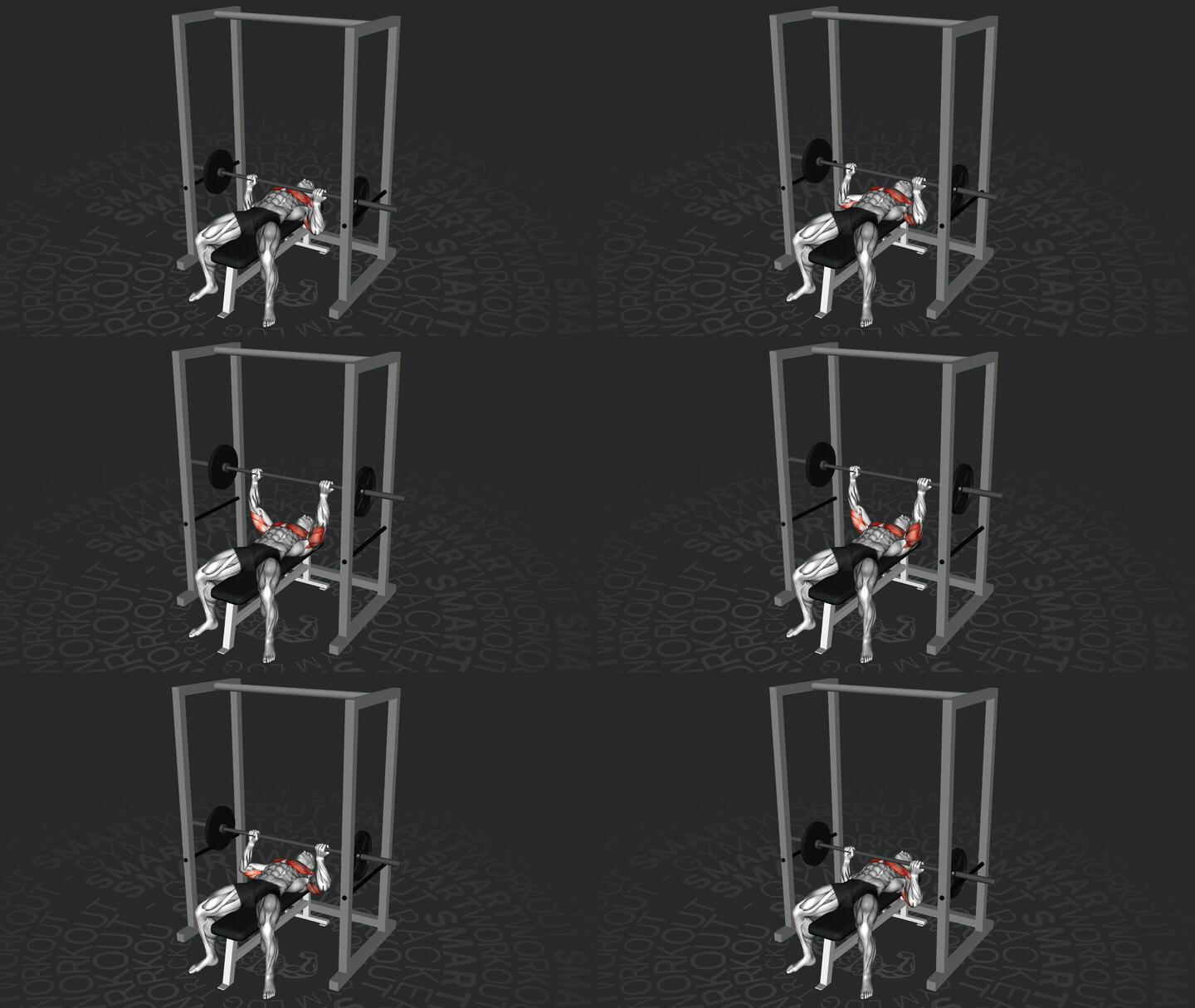
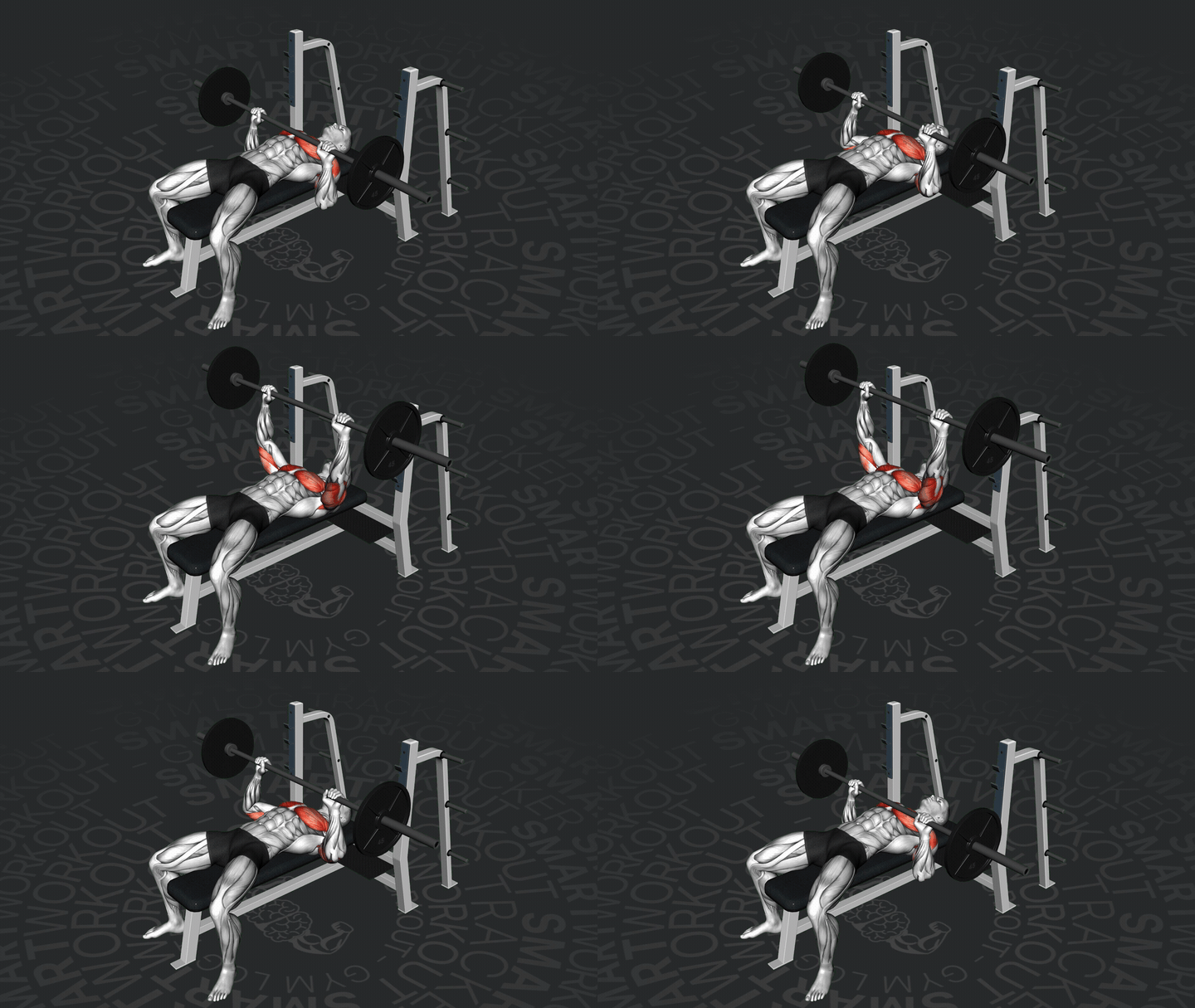
The Incline Barbell Bench Press is a compound upper body exercise that primarily targets the upper portion of the pectoral muscles, with secondary emphasis on the shoulders and triceps. It is performed on an incline bench set at a 15-30 degree angle, which shifts more focus to the upper chest compared to the flat bench press.
exercise_detail.how_to_perform
- Set an incline bench at a 15-30 degree angle and position it under a barbell rack.
- Lie back on the bench with your feet flat on the floor for stability.
- Grip the barbell with hands slightly wider than shoulder-width apart.
- Unrack the barbell and hold it directly above your chest with arms fully extended.
- Lower the barbell slowly to your upper chest, keeping elbows at a 45-degree angle to your body.
- Pause briefly when the barbell is near your chest, then press it back up to the starting position.
- Repeat for the desired number of repetitions, maintaining control throughout the movement.
exercise_detail.what_muscles_work
exercise_detail.primary_muscle:
exercise_detail.secondary_muscles:
exercise_detail.tips
- Ensure your back remains firmly pressed against the bench throughout the exercise to maintain proper form.
- Keep your core engaged to stabilize your body and prevent arching of the lower back.
- Focus on controlled movements; avoid bouncing the bar off your chest to reduce injury risk.
- Adjust the bench angle if you feel excessive strain on your shoulders; a lower angle can reduce this stress.
- Use a spotter for safety, especially when lifting heavy weights or approaching muscle fatigue.
exercise_detail.common_mistakes
- Arching the lower back excessively, reducing chest engagement.
- Lowering the bar too high on the chest, increasing shoulder strain.
- Flaring elbows out too wide, risking shoulder impingement.
- Bouncing the bar off the chest, leading to poor muscle control.
- Failing to maintain a stable wrist position, risking wrist strain.
- Not using a full range of motion, limiting muscle activation.
- Lifting hips off the bench, compromising stability.
- Allowing the bar to drift forward, reducing chest activation.
- Using too much weight, sacrificing form for load.
- Neglecting to engage the core, leading to reduced stability.
exercise_detail.recommended_exercises
exercise_detail.recommended_exercises_intro
exercise_detail.app_ad.title
exercise_detail.app_ad.description